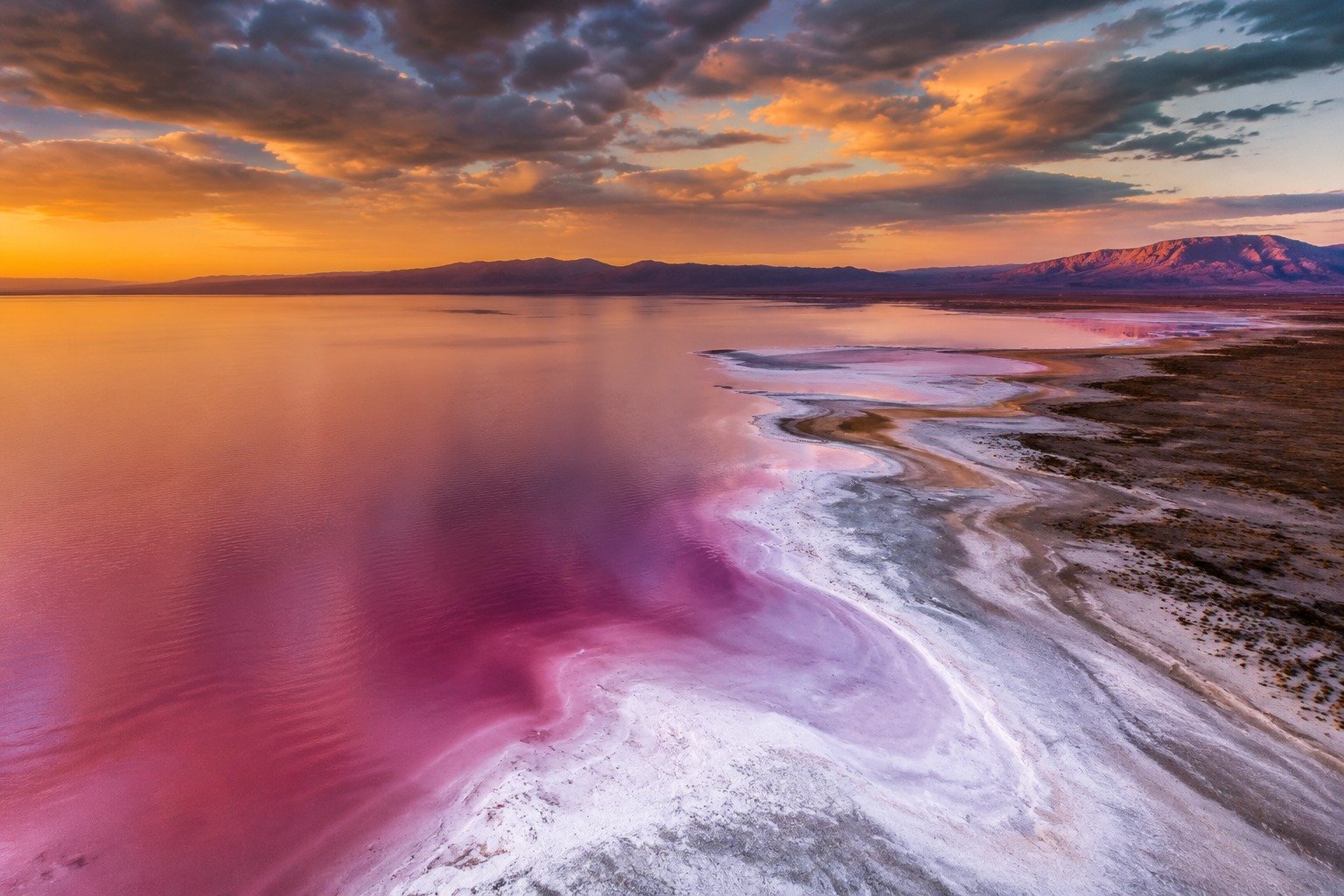
Hundreds of Utahns descended on the state capitol on May 23rd with a blunt message: Kevin O’Leary’s massive data center project is not welcome near the Great Salt Lake. Protesters chanted “data center dollars don’t trickle down, Kevin O’Leary get out of our town” as speaker after speaker warned about what could happen to one of America’s most ecologically fragile bodies of water if the project moves forward unchecked.
The project at the center of the controversy is called the Stratos Hyperscale Data Center — a proposed 40,000-acre AI data center campus in Box Elder County, situated right along the northern shore of the Great Salt Lake. Backed by Shark Tank investor Kevin O’Leary, the facility is designed to eventually draw 9 gigawatts of power. Environmental analysts say that if fully built out, it could raise Utah’s total carbon emissions by as much as 64 percent. The price tag is equally staggering — developers project costs exceeding $100 billion upon completion, making it one of the most ambitious infrastructure proposals in U.S. history.
The project received county-level approval from Box Elder County commissioners on May 4th. That green light came with little public fanfare — but it lit a fuse. Grassroots opposition groups formed almost overnight. The most prominent among them is BEAR, the Box Elder Accountability Referendum, which is now pushing to let voters have the final say on a project they argue was approved without sufficient public input. Organizers say county commissioners overstepped by making a decision of this magnitude behind closed doors, and they want a referendum to settle it at the ballot box.
Water is the central flashpoint. Environmentalists and local residents are alarmed that the massive facility could drain water sources that currently feed the Great Salt Lake — an already-stressed body of water that has been shrinking for decades due to agricultural diversion, urban growth, and prolonged drought. The lake has lost more than half its surface area since the 1980s, and critics argue that any major new water consumer in the region poses a direct threat to its survival.
Stratos developers maintain they’ve designed a closed-loop water recycling system intended to minimize consumption and protect the local aquifer. But residents aren’t buying the reassurances. A second water rights application tied to the project was filed — then quietly withdrawn just days later, adding to public suspicion about the project’s true water demands. The withdrawal drew immediate scrutiny from opponents, who called it a sign that developers knew their water plans couldn’t withstand regulatory review.
O’Leary has pushed back hard against the growing opposition. He has publicly dismissed the protesters as paid activists bused in from out of state, and gone further by suggesting that some critics have ties to the Chinese Communist Party — an allegation that drew sharp rebukes from local organizers who say they are ordinary Utah residents with legitimate concerns about their community and environment.
Adding a federal dimension to the debate, EPA Administrator Lee Zeldin visited the Great Salt Lake the day after the capitol protest. Zeldin expressed support for protecting the lake — but declined to take a direct position on the Stratos project itself, leaving both sides reading the visit in their favor. The visit nonetheless underscored that the fate of the Great Salt Lake has become a national-level conversation, not just a local zoning fight.
The BEAR referendum push is now the primary pressure point. If organizers collect enough signatures, the question of whether the Stratos Data Center moves forward could go to a public vote — a rare check on county-level approvals that typically attract little attention. With hundreds already willing to show up at the capitol, the signature drive appears to have a motivated base. What happens next may depend as much on civic organizing as on regulatory review.