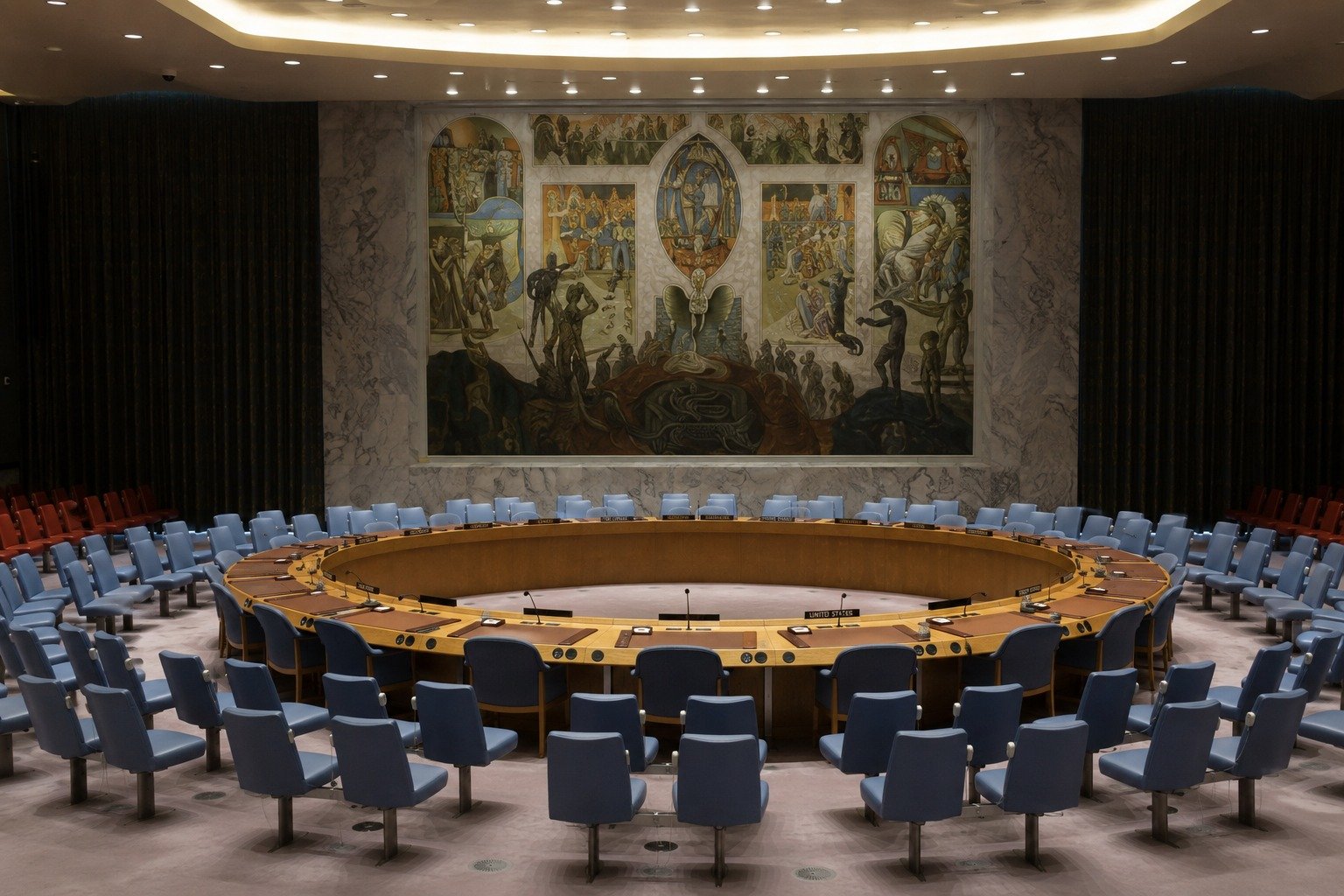
For the first time, the United Nations has added both the Israeli and Russian armed and security forces to its annual report on conflict-related sexual violence, a list that catalogs parties around the world credibly suspected of patterns of such abuse in war zones. The designation, issued by the office of the UN Secretary-General, covers events documented during 2025.
It marks a significant moment for a report that has been produced annually for more than fifteen years. Neither force had appeared on the list before. Their inclusion this year places them alongside a roster of state and non-state actors that the UN has flagged in previous editions.
What the Report Found
According to the report, Israeli forces were cited in connection with the treatment of Palestinian detainees held in Israel and in the occupied Palestinian territories. Russian forces were listed in connection with the treatment of prisoners of war and civilians detained during the war in Ukraine. In both cases, the UN said much of the documented abuse occurred in detention settings.
The UN said it verified cases involving both men and women. Detention facilities were described as a recurring location across multiple conflicts covered by the report, a pattern the authors highlighted as one of the year’s defining findings.
A Sharp Rise Worldwide
The broader numbers in this year’s report are striking. The UN recorded nearly 10,000 cases of conflict-related sexual violence worldwide in 2025, more than double the figure documented the previous year. Those cases spanned 21 conflict-affected countries across Africa, the Middle East, Europe, and beyond.
UN officials have repeatedly cautioned that verified cases represent only a fraction of the true total, because survivors often do not come forward and access to conflict zones is limited. The report’s authors framed the sharp year-over-year increase as a reflection of both worsening conditions in several conflicts and improved documentation in others.
Reactions and Implications
Being named in the report does not carry automatic penalties. There are no sanctions or legal consequences that follow directly from inclusion. Instead, the list functions as a documentation and accountability tool, intended to apply diplomatic pressure and to create a public record that can inform future action by member states and international bodies.
Both the Israeli and Russian governments have historically rejected findings of this kind, and each has disputed allegations regarding its conduct in the relevant conflicts. Critics of the UN process argue that the list can be shaped by political dynamics, while supporters counter that documenting abuse by powerful state actors, not only non-state groups, is exactly what gives the report its credibility.
What This Means
For readers following the wars in Gaza and Ukraine, the report adds an official UN record to long-running debates about how detainees and prisoners are treated. It does not resolve those debates, and it will not change conditions on the ground on its own. But it raises the diplomatic stakes, and it signals that the institutions tracking these conflicts are willing to name two major military powers in the same document, on the same year, for the first time.
The question now is whether the designation prompts any concrete response, or whether it joins the long list of UN findings that draw attention without immediate consequences.
Stay informed on the stories that matter most. Follow Your Daily Updates on Facebook and bookmark yourdailyupdates.news for breaking news and analysis.