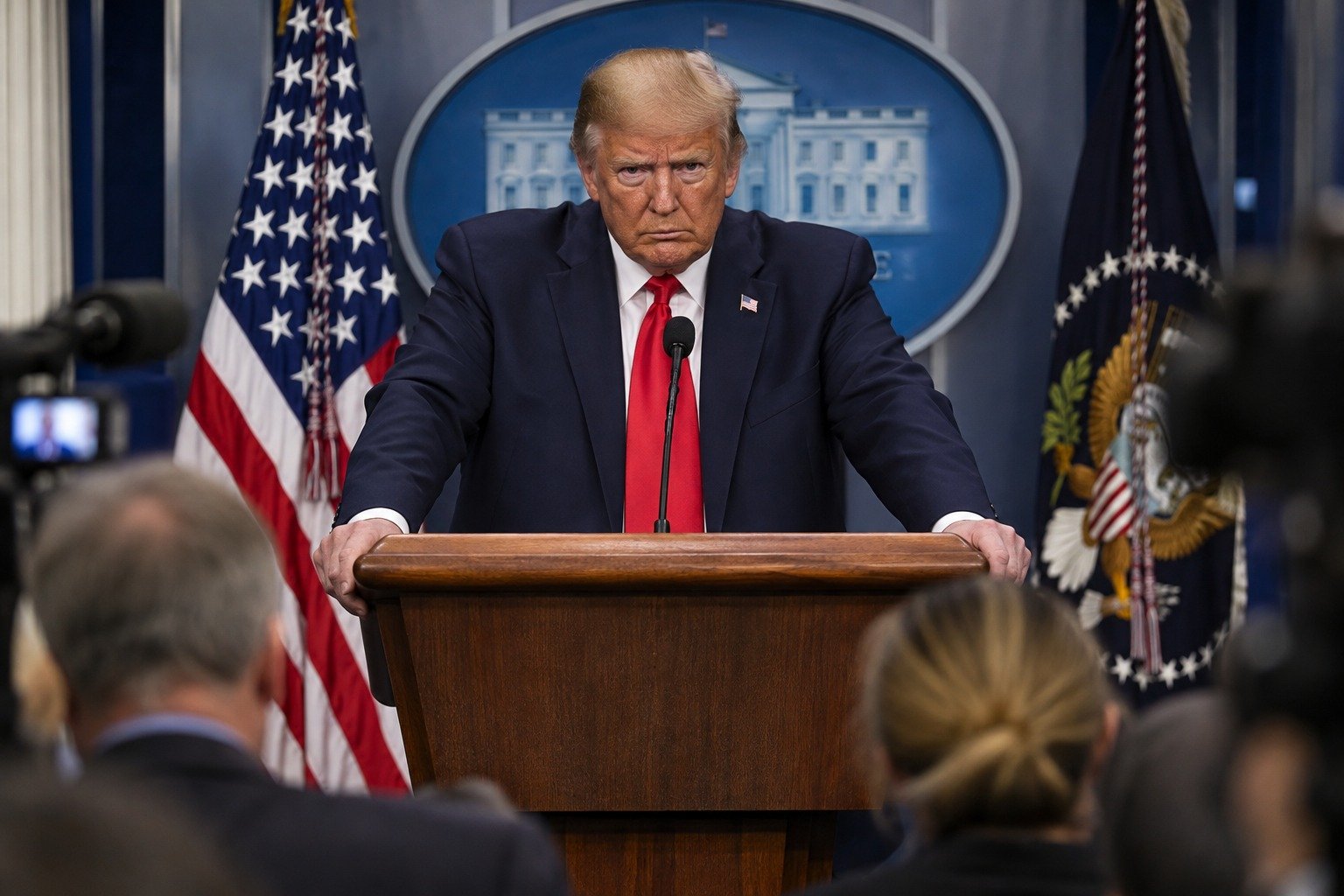
President Donald Trump is weighing another round of extensive military strikes on Iran, according to a New York Times report published Wednesday, November 18, that cites U.S. and Israeli officials. No decision has been made. But the fact that a new bombing campaign is under active consideration, nearly eight months into the war, should get every American’s attention.
Israeli Prime Minister Benjamin Netanyahu is pressing the United States to join Israel in an air campaign that would last four to seven days, according to the report. A senior Israeli official disputes the characterization that Netanyahu “pressured” Trump, but the request for a joint campaign is now part of the conversation inside the administration.
How We Got Here
The war with Iran is now nearly eight months old. Three U.S. aircraft carriers are operating in the region at the same time, which Euronews reported on November 16 is the first time that has happened since the Iraq war. That is an enormous concentration of American firepower and American service members in one of the most volatile parts of the world.
Bloomberg reports that the risk of new mass U.S. strikes is growing as skirmishes in the region escalate. In other words, the question is no longer only whether the conflict continues at its current level. It is whether Washington is about to widen it.
The Intelligence Behind the Push
The case for another round of strikes leans heavily on Israeli intelligence. According to the Times, Israeli intelligence claims Iran is rebuilding its missile and drone capabilities and advancing chemical and biological weapons programs.
Here is the part that matters most: administration officials disagree sharply over how reliable that intelligence actually is. These are not outside critics. These are people inside the government that would be making the decision, and they reportedly do not agree on whether the core justification holds up.
That should give everyone pause. Americans have seen what happens when a war is sold on weapons intelligence that later falls apart. The chemical and biological claims here are indications from a foreign intelligence service, they are disputed inside the U.S. government, and they have not been confirmed.
What Trump Is Saying
Trump’s public comments have pointed in two different directions. Speaking on Fox News on November 18, he said Iran is “looking at gases, looking at bio, because we’ve shut them out with the nuclear,” adding, “if it does happen, we wipe them out.”
Yet in an interview with Israel’s Channel 12, Trump struck a more cautious tone. “I’m not rushing to make any decisions on Iran,” he said, adding, “we’ll see what happens after January 1.”
Taken together, those remarks describe a president keeping a major escalation on the table while signaling that the timeline could stretch into the new year. They do not describe an order to strike. As of the latest reporting, Trump is weighing his options, not acting on them.
Who Gets a Say
Decisions about whether to expand a war carry consequences that land on ordinary people first: the sailors and aviators on those three carriers, the military families waiting at home, and civilians across the region. A multi-day air campaign is not a small step, and it should not be taken on intelligence the administration’s own officials cannot agree on.
Under the Constitution, the power to declare war belongs to Congress. Lawmakers have every reason to demand a full accounting of this intelligence, and of the administration’s plans, before any new campaign begins. Public scrutiny now is far better than regret later.
What This Means for Americans
For most Americans, the war can feel far away. It is not. Every new round of strikes puts more U.S. personnel in harm’s way, risks retaliation, and deepens a conflict that has already lasted the better part of a year. The people who would bear the cost deserve transparency about why it is being considered, how solid the evidence is, and who would be accountable if it turns out to be wrong.
The next weeks will show whether the administration chooses restraint or escalation. Either way, the debate over disputed intelligence and a foreign leader’s push for a joint campaign deserves to happen in public, not behind closed doors.
Stay informed on the stories that matter most. Follow Your Daily Updates on Facebook and bookmark yourdailyupdates.news for breaking news and analysis.