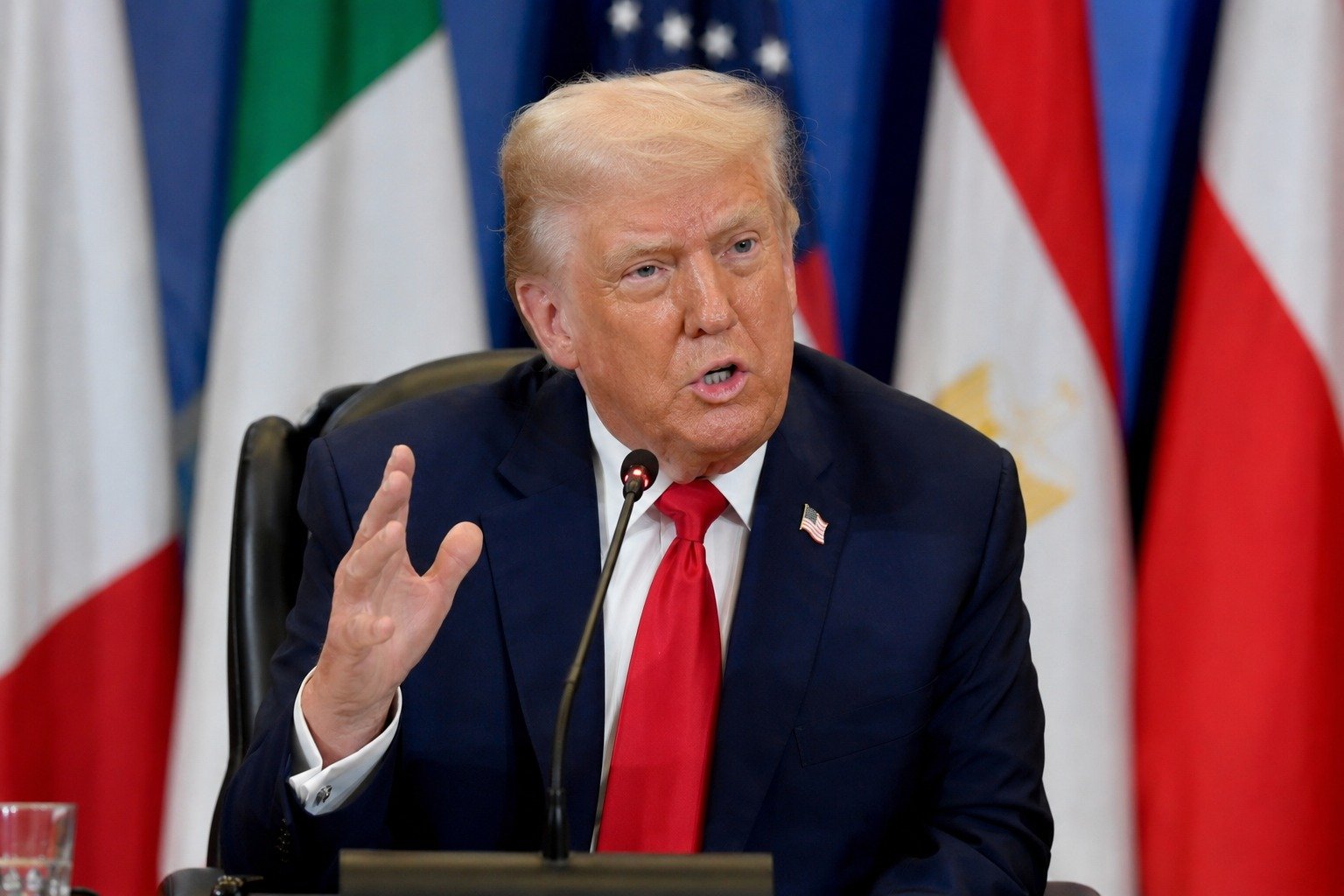
Seated beside Syria’s new president at an international summit in Turkey, President Donald Trump said on July 8, 2026 that he intends to remove Syria from the United States’ list of state sponsors of terrorism — a designation that has stood since 1979. If it goes through, it would be the first time in nearly half a century that Syria is off that list.
But the move is not final. Trump has formally notified Congress, which starts a 45-day pre-notification period. Unless lawmakers act to block it — something widely viewed as unlikely — the removal would take effect in about 45 days. For now, the terror-sponsor label remains legally in place.
A Designation Older Than Most Americans
Syria was first designated a state sponsor of terrorism in 1979, making it the longest-standing designation on the U.S. list. The label carries heavy consequences: sweeping restrictions on U.S. aid, a ban on defense exports, controls on dual-use goods, and financial penalties that effectively wall a country off from much of the American banking system. For decades, that isolation defined Washington’s posture toward Damascus.
The context has shifted dramatically. Syria is now led by President Ahmed al-Sharaa, who was seated next to Trump at the NATO summit when the announcement was made. The image of a sitting U.S. president signaling the end of a 46-year-old terror designation while sitting shoulder to shoulder with Syria’s leader underscored just how far the diplomatic picture has moved.
What Trump Actually Did
The key distinction is between intent and action. Trump did not remove Syria from the list on the spot. He announced that he is initiating the process and has sent the required notification to Congress. Under the law governing these designations, that notification triggers a waiting window — here, roughly 45 days — before the change can become effective.
During that window, Congress has the option to intervene. In practice, blocking a presidential rescission of this kind is difficult and rare, which is why most observers expect the removal to take effect on schedule. Still, until that clock runs out, Syria remains a designated state sponsor of terrorism in the eyes of U.S. law — a nuance that many of the day’s fast-moving headlines skipped over.
Reactions and Implications
Supporters frame the move as a pragmatic bet. Syria has endured years of civil war, and lifting the terror-sponsor tag would open the door to foreign investment, reconstruction financing, and reintegration into the global economy. To backers, engaging a new government is a better path to stability than continued isolation.
Critics see real risk. They argue Washington may be rewarding a government whose long-term intentions remain unproven, and they note that the designation was put in place for concrete reasons. Removing it, they warn, strips away leverage before Damascus has demonstrated a durable change in behavior. The debate cuts to a core question of foreign policy: when does engagement encourage reform, and when does it simply hand a win to a government that has not earned it?
What This Means for Americans
Decisions like this shape more than diplomacy. They affect where American companies can do business, how U.S. sanctions are enforced, and how Washington’s word is measured on the world stage. A designation older than most Americans alive today is now on the clock, and how this plays out over the next 45 days will tell Americans a great deal about the priorities driving U.S. foreign policy — and who is held accountable for the outcome.
Stay informed on the stories that matter most. Follow Your Daily Updates on Facebook and bookmark yourdailyupdates.news for breaking news and analysis.