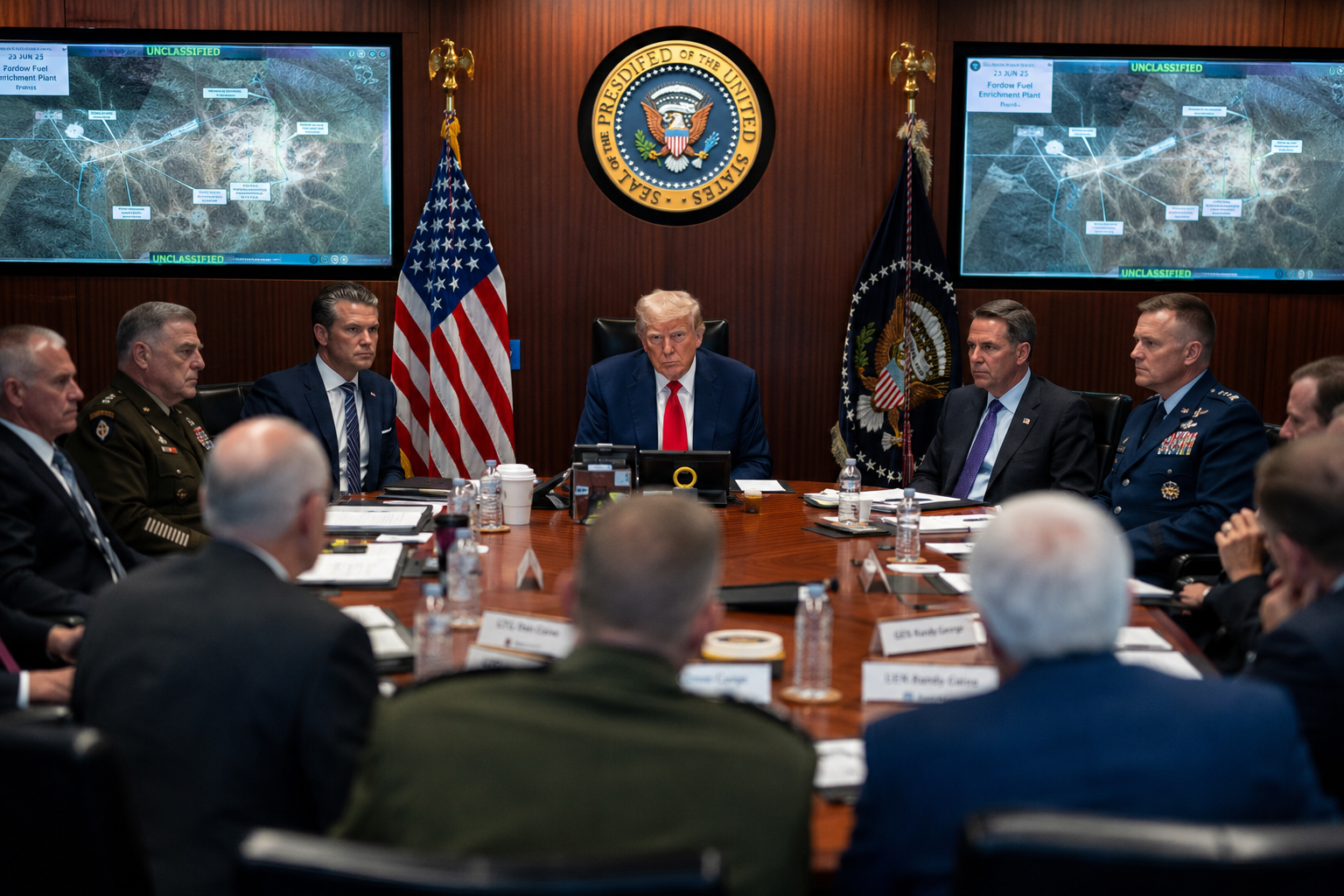
President Donald Trump put Iran on direct notice Sunday after nuclear negotiations collapsed, issuing a stark warning: if Tehran doesn’t return to the table fast, the consequences will be severe. Trump posted on Truth Social that “the Clock is Ticking” for Iran, adding they “better get moving, FAST, or there won’t be anything left of them.” The White House confirmed his top national security team is now being convened to review military strike options.
What Broke the Talks
The breakdown came after Iran delivered a response to the White House’s peace framework that Trump publicly called “totally unacceptable.” Tehran demanded nuclear discussions be separated from the broader peace negotiations — a move the Trump administration read as deliberate stalling. Washington refused, and the talks collapsed.
Iran’s position reflects a long-standing negotiating posture: Tehran has historically sought to compartmentalize the nuclear file, believing a broader peace deal would require too many regional concessions. The Trump administration rejected that framework entirely, insisting everything must be negotiated simultaneously.
Military Options Move to the Forefront
Trump went further in an interview with Axios, warning that if Iran doesn’t return with a serious offer, “they are going to get hit much harder.” Administration officials confirmed the president is convening his national security team in the Situation Room to review military options — what was once a background contingency is now a foreground discussion.
The challenge of any military strike on Iran is formidable. Key nuclear facilities like Fordow are buried deep inside mountains — engineered specifically to survive conventional airstrikes. Destroying them would require sustained bombardment using specialized bunker-busting munitions. A military conflict would also risk activating Iranian proxies across Iraq, Syria, Lebanon, and Yemen simultaneously, threatening U.S. forces and allies across the region.
A Narrowing Window
Western intelligence agencies have been sounding alarms about Iran’s nuclear timeline for months. Tehran’s enrichment program has accelerated, with some estimates putting Iran closer to weapons-grade capability than at any prior point. European diplomats have privately warned that the window for a negotiated solution is closing faster than the public appreciates.
Iran’s Supreme Leader Khamenei has not publicly responded to Trump’s ultimatum. Iranian leadership has historically used public silence as a negotiating posture — neither accepting nor rejecting terms while internal deliberations continue. Whether that silence leads to renewed talks or further entrenchment will define the next phase of this standoff.
What This Means for Americans
A military conflict with Iran — even a limited one — would almost certainly spike oil prices, hitting American consumers at the gas pump and driving up costs across the supply chain. It would draw on U.S. military assets deployed elsewhere and dominate the foreign policy landscape for months. The Situation Room meeting scheduled for this Tuesday may be one of the most consequential national security gatherings of Trump’s second term.
Stay informed on the stories that matter most. Follow Your Daily Updates on Facebook and bookmark yourdailyupdates.news for breaking news and analysis.