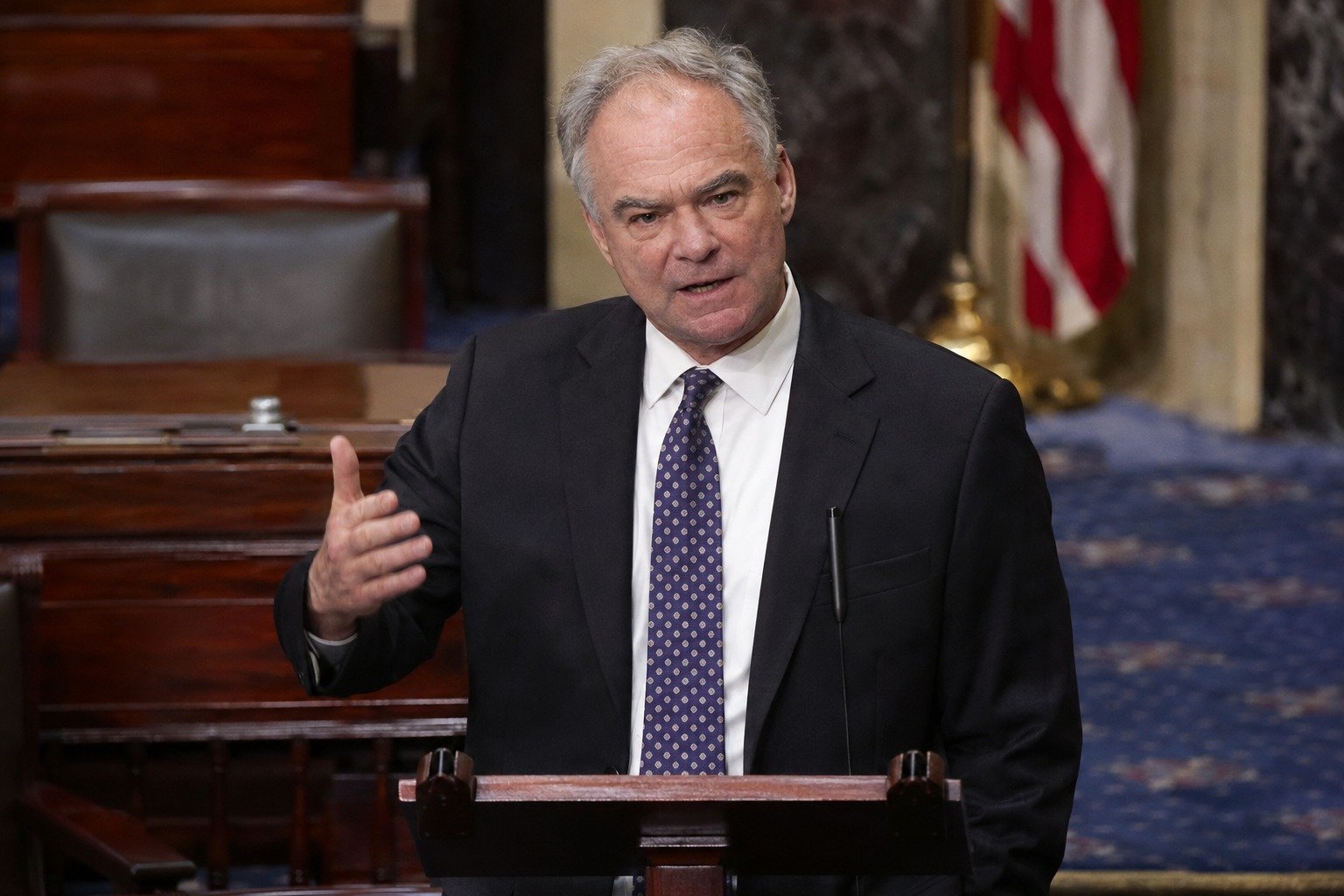
Senate Republicans on Thursday, Nov. 19, blocked a war powers resolution that would have directed President Trump to remove U.S. forces from hostilities with Iran. The final tally was 48-51. The measure had already been adopted by the House, and its defeat in the Senate leaves Congress, once again, without a formal say on a war that has now stretched for roughly nine months.
A Vote Months in the Making
The war began in late February. Since then, Democrats have forced more than a dozen war powers votes, trying again and again to put lawmakers on the record about whether U.S. troops should remain in the fight. In September, the House passed a similar measure, 220-204.
The Constitution gives Congress, not the president, the power to declare war. War powers resolutions are one of the few tools lawmakers have to reassert that authority once troops are already engaged. Each vote forces members to answer a basic question: should this war continue without Congress weighing in?
How the Senate Voted
Three Republicans broke with their party to support the resolution: Sen. Susan Collins of Maine, Sen. Lisa Murkowski of Alaska and Sen. Rand Paul of Kentucky. Sen. John Fetterman of Pennsylvania was the only Democrat to vote against it. Sen. Chris Murphy did not vote, according to Newsweek.
Sen. Thom Tillis of North Carolina, who had backed an earlier war powers effort, voted no this time. He explained the switch by saying, “this one doesn’t go to the president, so it’s just a statement from Congress.” CBS News likewise described the vote as largely symbolic.
Symbolic or not, the vote mattered. It was a chance for the Senate to say plainly whether it wants U.S. forces pulled out of hostilities with Iran. A majority chose not to.
The Human Cost
The Pentagon has connected 23 U.S. service member deaths and more than 850 injuries to the conflict. Behind each of those numbers is a family, a unit and a community living with the consequences of decisions made in Washington.
“Every day this war goes on, we are risking the lives of service members,” Sen. Tammy Baldwin said during the debate.
Republican Sen. Tim Sheehy argued the opposite case. “We should finish the job, protect this nation and protect our allies,” he said.
Kaine Points to the Election
Sen. Tim Kaine of Virginia, who has led Democrats’ repeated efforts to force these votes, tied the debate directly to this month’s elections. The war’s “unpopularity was made absolutely manifestly clear in the election results from Nov. 3,” Kaine said, according to CBS News.
That argument puts the question squarely in front of the Senate: if voters sent a message at the ballot box, should their representatives be the ones deciding whether the war continues? Thursday’s vote suggests most senators are not yet ready to take that responsibility.
What This Means for Americans
For the service members deployed in this conflict and the families waiting for them at home, Thursday’s vote is not an abstract procedural fight. It is a question of who gets to decide how long they stay in harm’s way. The Constitution places that decision with Congress. Every time a war powers measure fails, that decision stays with the White House by default, with no formal vote by the people’s elected representatives.
Democrats have shown they will keep forcing these votes. The open question is whether enough senators will eventually decide that a war with 23 American lives lost deserves a clear yes or no from Congress itself.
Stay informed on the stories that matter most. Follow Your Daily Updates on Facebook and bookmark yourdailyupdates.news for breaking news and analysis.