A sitting president taking cash from the very people they pardon could become a federal crime under new legislation introduced in the House of Representatives, the centerpiece of a sweeping anti-corruption package aimed squarely at pay-to-play in the Oval Office.
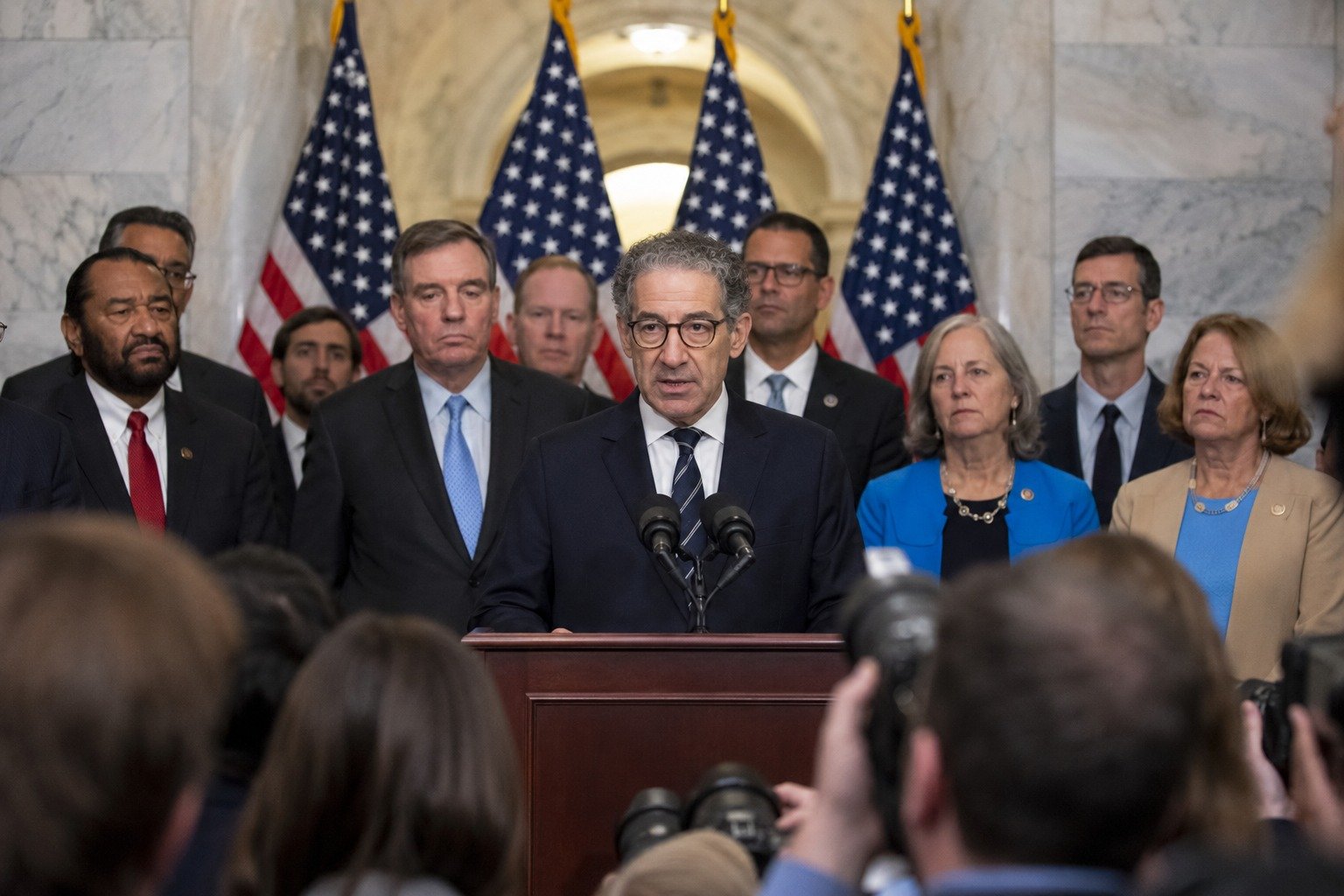
Rep. Jamie Raskin, the Maryland Democrat and former lead House impeachment manager, rolled out the package in May alongside colleagues including Rep. Robert Garcia and Rep. Joe Morelle. The headline measure would bar a president from accepting payments from anyone they pardon or appoint to office. The logic behind it is straightforward: a pardon is supposed to be an act of justice or mercy, not a transaction with a price tag attached.
What the legislation would do
The core bill targets a gap that has quietly existed in federal law for generations. While bribery statutes cover many forms of corruption, the specific scenario of a president granting clemency or handing out an appointment and then collecting money from the beneficiary has never been cleanly outlawed. Supporters of the measure argue that this is exactly the kind of self-dealing the public assumes is already illegal – and is often shocked to learn is not.
The package does not stop at pardons. Companion measures include the BLANCHE Act and the Ban Presidential Plunder of Taxpayer Funds Act, both designed to close loopholes that could let a president convert the powers and resources of the office into a personal revenue stream. Taken together, the bills aim to draw a hard legal line around behavior that current law leaves largely unaddressed.
Where it stands now
It is important to be clear about the status of these proposals. The bills have been introduced and referred to committee in the House. They have not been passed by either chamber, and they have not been signed into law. With the current makeup of Congress, the path to enactment is steep, and sponsors are realistic about the odds in the near term.
What the sponsors say they are doing is putting down a marker – forcing a public debate over whether the powers of the presidency should come with clear, enforceable limits. By introducing the measures as a package rather than a single bill, they are framing corruption not as a one-off problem but as a structural one that requires multiple fixes at once.
The bigger fight over the pardon power
The pardon power is one of the least checked tools a president holds. It is granted by the Constitution, requires no sign-off from Congress or the courts, and historically has been treated as nearly absolute. That lack of oversight is precisely why reformers have long warned it is ripe for abuse, and why codifying a ban on cash-for-clemency strikes supporters as long overdue.
Critics will likely dismiss the effort as a political message bill with little chance of becoming law. Sponsors counter that the bigger question is why a rule this basic – that a president cannot personally profit from the people they pardon or appoint – is not already on the books. Whatever happens to the legislation, it reopens a debate about accountability at the very top of American government that is unlikely to fade.