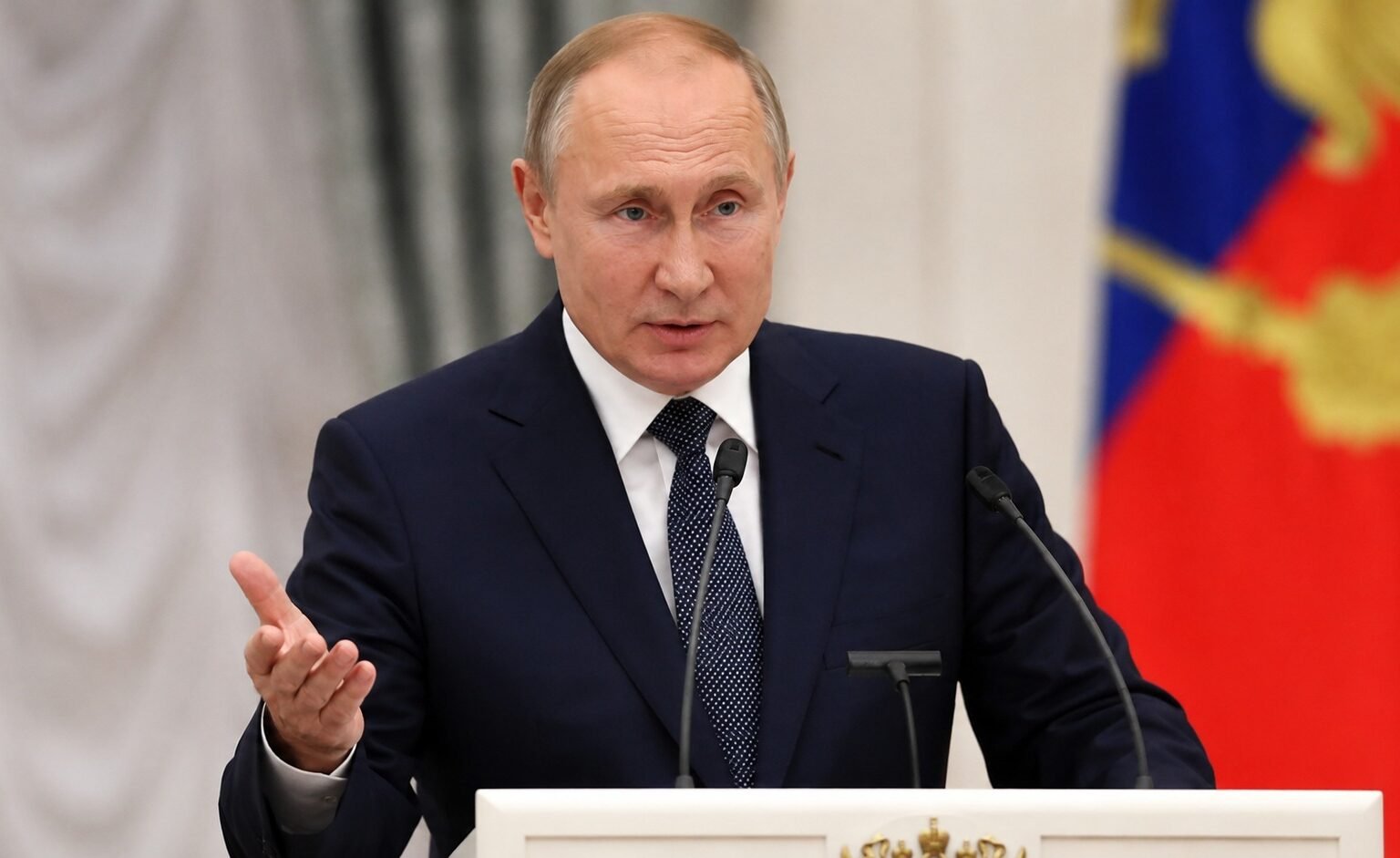
For the first time, Russian President Vladimir Putin is publicly acknowledging that his war on Ukraine is now causing real pain inside Russia — and in nearly the same breath, he is claiming to be “ready for peace talks.” The timing is impossible to ignore: the offer arrived just as fuel shortages spread across much of the country.
Speaking publicly around June 24, 2026, Putin addressed what he called the “challenging” petrol shortages now affecting Russians in a growing number of regions. It was a rare admission from a leader who has spent years insisting the war was going according to plan. Gas stations in roughly two-thirds of the country’s regions have introduced fuel rationing or are dealing with supply disruptions.
Ukrainian Drone Strikes Hit Russia’s Refineries
The root cause is a sustained campaign of Ukrainian drone strikes on Russian oil refineries. Over recent weeks, those strikes have halted or scaled back production at facilities accounting for roughly a quarter of Russia’s total refining capacity and more than 30% of its gasoline output. Even the Moscow Oil Refinery, located only about nine miles from the Kremlin, was struck in mid-June.
The damage has been severe enough that Moscow imposed export bans on gasoline and jet fuel in an effort to keep more supply at home. In occupied Crimea, authorities tightened fuel restrictions as the squeeze intensified. For ordinary Russians, the war that was supposed to stay far away has arrived at the gas pump.
“Ready” — But Only on His Own Terms
Then came the line that grabbed headlines worldwide: Putin said Russia is “ready” to negotiate. But the fine print matters. He did not offer to end the war on neutral terms or to pull back his forces. Instead, he said any talks must proceed “on the basis of the Istanbul agreements” reached in the spring of 2022.
Those 2022 draft terms would have required Ukraine to abandon its bid to join NATO, sharply limit the size of its own military, and effectively leave Crimea under Russian control, with the fate of occupied parts of the Donbas to be settled later. In other words, this is not a ceasefire proposal. It is a set of demands Kyiv has rejected for years, repackaged as an olive branch at a moment when Putin’s own fuel supply is buckling.
Kyiv’s Position Hasn’t Changed
Ukraine has repeatedly stated that any genuine negotiation must begin with its territorial integrity and the withdrawal of Russian forces from occupied territory — the exact opposite of what the Istanbul framework would deliver. President Volodymyr Zelensky’s government has consistently said it will not trade away land or sovereignty to reward an invasion.
So while the words “ready for peace talks” sound like a breakthrough, what is actually on the table is the same surrender package Ukraine has refused since the war began. Analysts watching the conflict note that Putin’s phrasing is a stated position, not a sign that active negotiations are underway.
The Pressure Behind the Pivot
The sequence tells its own story. For years, Putin projected confidence and dismissed talk of compromise. Now, with rationing spreading and refineries burning, he is suddenly talking about peace — on terms designed to lock in his gains rather than reverse them.
Whether the fuel crisis forces a genuine shift in Russia’s posture or simply produces more carefully worded statements remains to be seen. What is clear is that the man who launched this war is publicly discussing its costs at home for the first time — and choosing this exact moment to float a deal Ukraine has already turned down. The gas pumps may be running dry, but Putin’s demands have not budged.