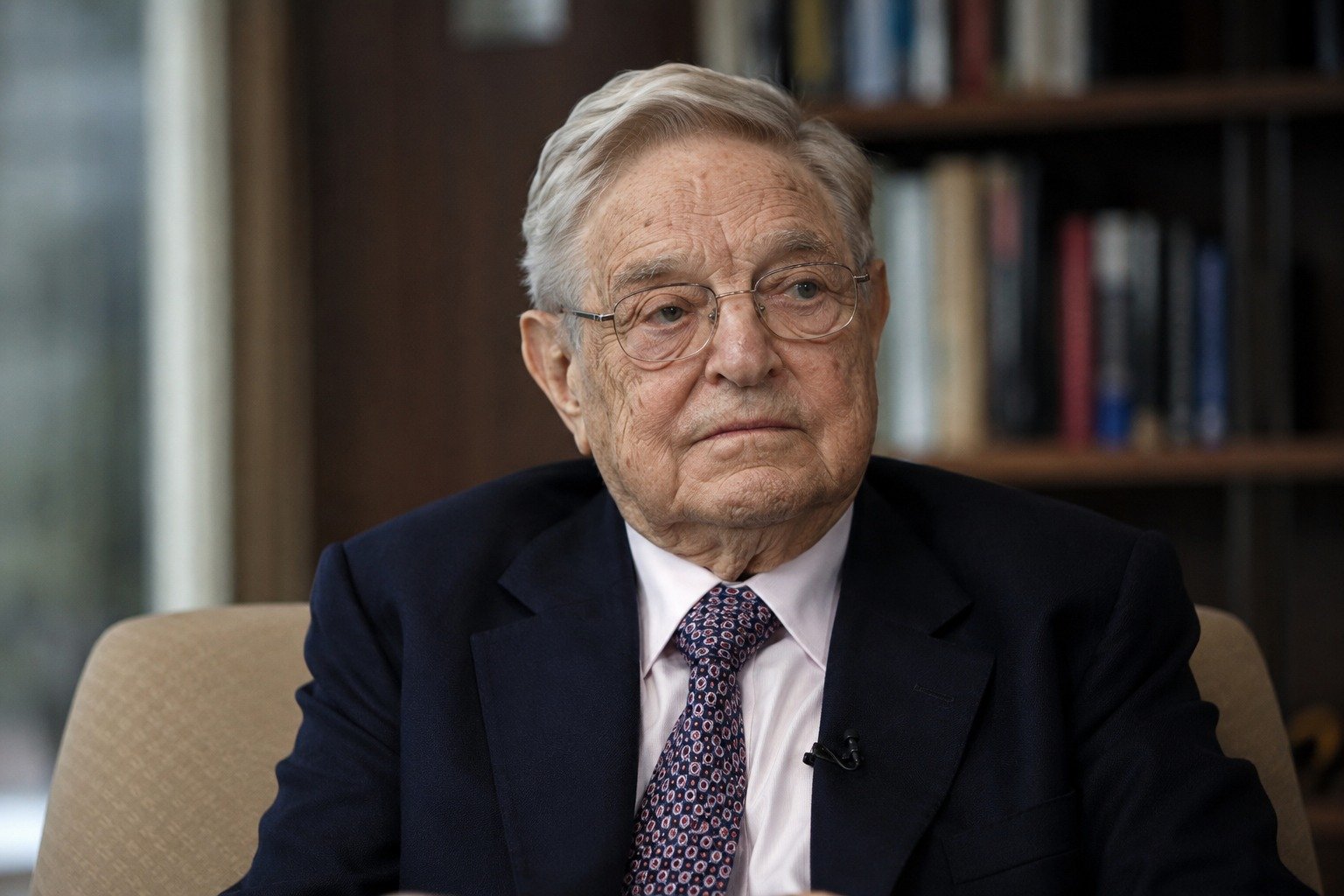
A single super PAC has already pumped roughly $102 million into the 2026 midterm elections – and Election Day is still months away. The money comes from Democracy PAC, the political committee funded by billionaire investor George Soros, which the Washington Post reported is currently the largest single source of individual donor money in this cycle.
It is a staggering figure. But the most important part of the story is not one name on a check – it is the system that allows any nine-figure donation to shape a national election before most voters have even started paying attention.
How We Got Here
The modern era of mega-money politics traces back to the Supreme Court’s 2010 decision in Citizens United v. FEC, which held that independent political spending by corporations, unions, and wealthy individuals could not be limited. The ruling opened the door to super PACs – committees that can raise and spend unlimited sums to support or oppose candidates, as long as they do not coordinate directly with campaigns.
Sixteen years later, the consequences are on full display. A small number of the wealthiest Americans can now move more money into a single election cycle than millions of ordinary donors combined. Democracy PAC, the vehicle for Soros’s political giving, is one example – but it is far from the only one.
The Numbers in Context
The roughly $102 million figure has drawn headlines suggesting a new all-time record is about to fall. That framing is a projection, not a fact. The same donor contributed approximately $128 million during the 2022 midterm cycle, meaning the current total – while enormous – still sits below his own prior high-water mark.
In other words, 2026 could end up breaking spending records before it is over, but it has not done so yet. What is already clear is that this is shaping up to be one of the most expensive midterm cycles in American history, on pace to rival or exceed the torrent of outside money seen in recent elections.
This Is a Both-Sides Story
It would be a mistake to treat this as a problem confined to one party or one donor. Conservative megadonors are writing checks just as large, and a wave of newly minted, MAGA-aligned billionaires has been flooding Republican super PACs with record sums of their own. The flow of nine-figure money runs in both directions.
That is precisely what makes the trend worth watching. When a handful of the richest people in the country can each move tens of millions of dollars into political committees, the relative weight of an ordinary voter’s voice shrinks – regardless of which side the money is backing. The issue is structural, not partisan.
What This Means for Americans
For everyday voters, the rise of unlimited outside spending raises a basic question of fairness: should elections be powered by small-dollar donations and transparency, or by a few billionaires quietly setting the terms of the debate? Reform advocates argue for greater disclosure and limits; critics of new restrictions counter that political spending is a form of protected speech. That tension – the one Citizens United left behind – is exactly what 2026 is putting under a spotlight.
Stay informed on the stories that matter most. Follow Your Daily Updates on Facebook and bookmark yourdailyupdates.news for breaking news and analysis.