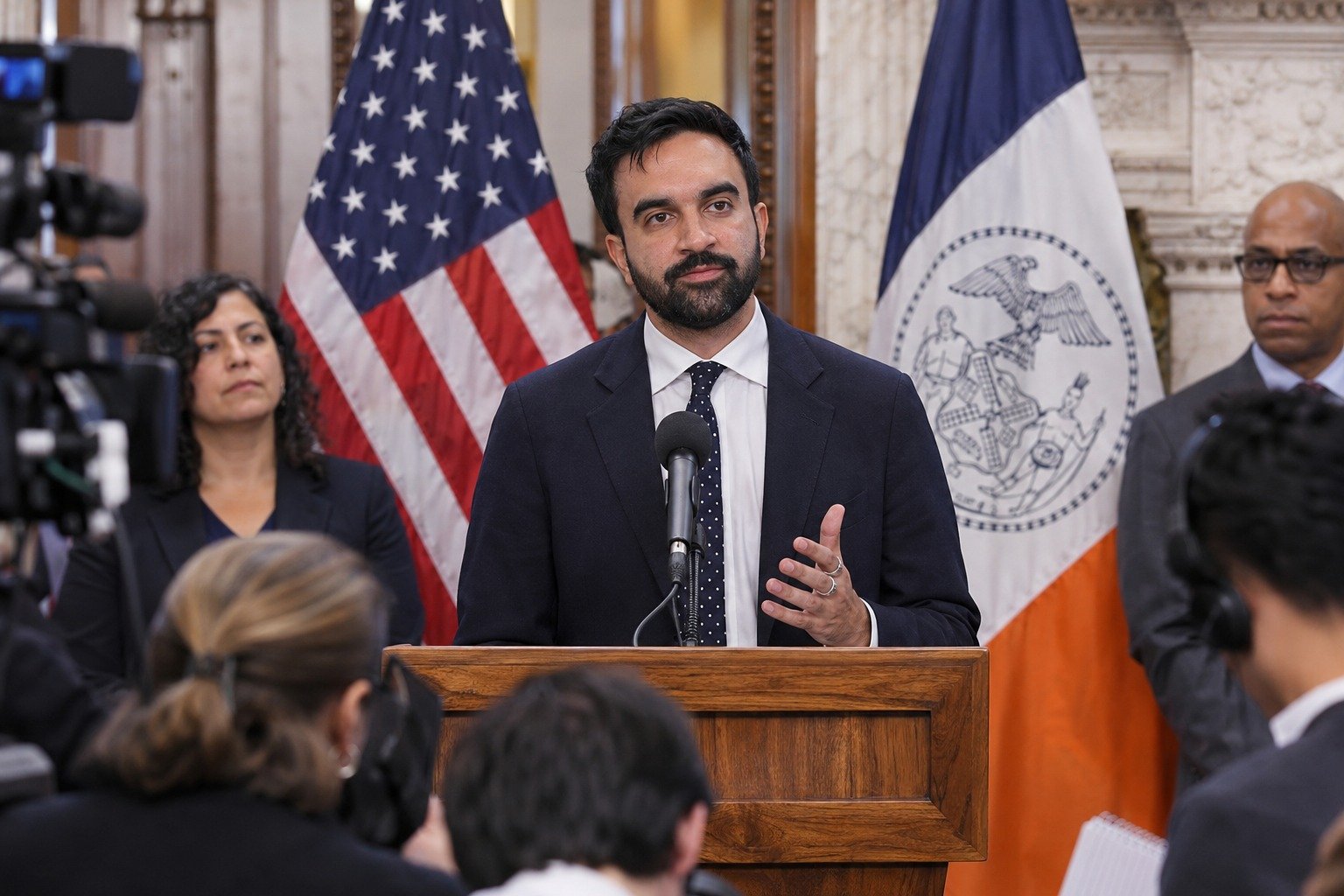
New York City’s overdose death rate has fallen to its lowest level since 2019. Mayor Zohran Mamdani announced on November 12 that 359 New Yorkers died of overdoses in the second quarter of 2026, from April through June. That is down 58% from the record of 859 deaths recorded in a single quarter at the end of 2022.
It is one of the clearest signs yet that the city’s overdose crisis is easing. It is also a reminder of how many lives are still being lost.
How Bad It Got
To understand why this matters, look at where the city was just a few years ago. In 2022, 3,070 New Yorkers died of overdoses over the course of the year. The final three months of that year were the worst quarter the city has recorded.
Those deaths reached every borough. Families lost parents, children, siblings and friends. Public health workers, outreach teams and treatment providers spent years trying to bend that curve while the toll kept climbing.
What the New Numbers Show
The city’s latest figures point in one direction: down. The second quarter of 2026 recorded 359 deaths, the lowest quarterly rate since 2019. Compared with the 859 deaths at the end of 2022, that is a 58% drop from the peak.
The annual numbers tell a similar story. Overdose deaths fell from 3,070 in 2022 to 1,873 in 2025, a decline of about 39%. That is roughly 1,200 fewer deaths in a single year compared with 2022.
It is important to be precise about the timeline. The decline did not start this year. It began under former Mayor Eric Adams in 2024 and 2025, and it has continued into Mayor Mamdani’s first year in office, which began on January 1, 2026. The latest quarter falls within Mamdani’s tenure, but the downward trend was already underway when he took office.
What City Officials Are Saying
Mamdani struck a measured tone in announcing the numbers. “Every overdose death is a life lost, and a reminder of the work we still have to do,” he said.
New York City’s Chief Medical Examiner, Dr. Jason Graham, was similarly careful. “We are cautiously optimistic about the ongoing decline,” Graham said.
That caution is warranted. Quarterly figures can move up and down, and progress against overdose deaths can stall or reverse. A lower number is a reason for hope, not a reason to declare the crisis over.
The Work That Remains
Even at its lowest rate in years, 359 deaths in three months means an average of nearly four New Yorkers dying of an overdose every single day. Each of those deaths is a person with a family and a community left behind.
The question facing city leaders now is whether they will keep investing in the public health response while the numbers are moving in the right direction. Treatment access, prevention, outreach and support for people in recovery all require steady funding and attention. When attention fades, progress can fade with it.
What This Means for New Yorkers
For families across the five boroughs, these numbers represent real lives that were not lost. Fewer funerals. Fewer empty chairs at the table. But they also mark a moment of accountability. City leaders now have proof that the situation can improve, and New Yorkers have every reason to expect them to keep pushing until the toll falls even further.
Public health progress is not automatic. It is the result of choices about funding, priorities and who gets help. The next set of quarterly numbers will show whether those choices keep paying off.
Stay informed on the stories that matter most. Follow Your Daily Updates on Facebook and bookmark yourdailyupdates.news for breaking news and analysis.