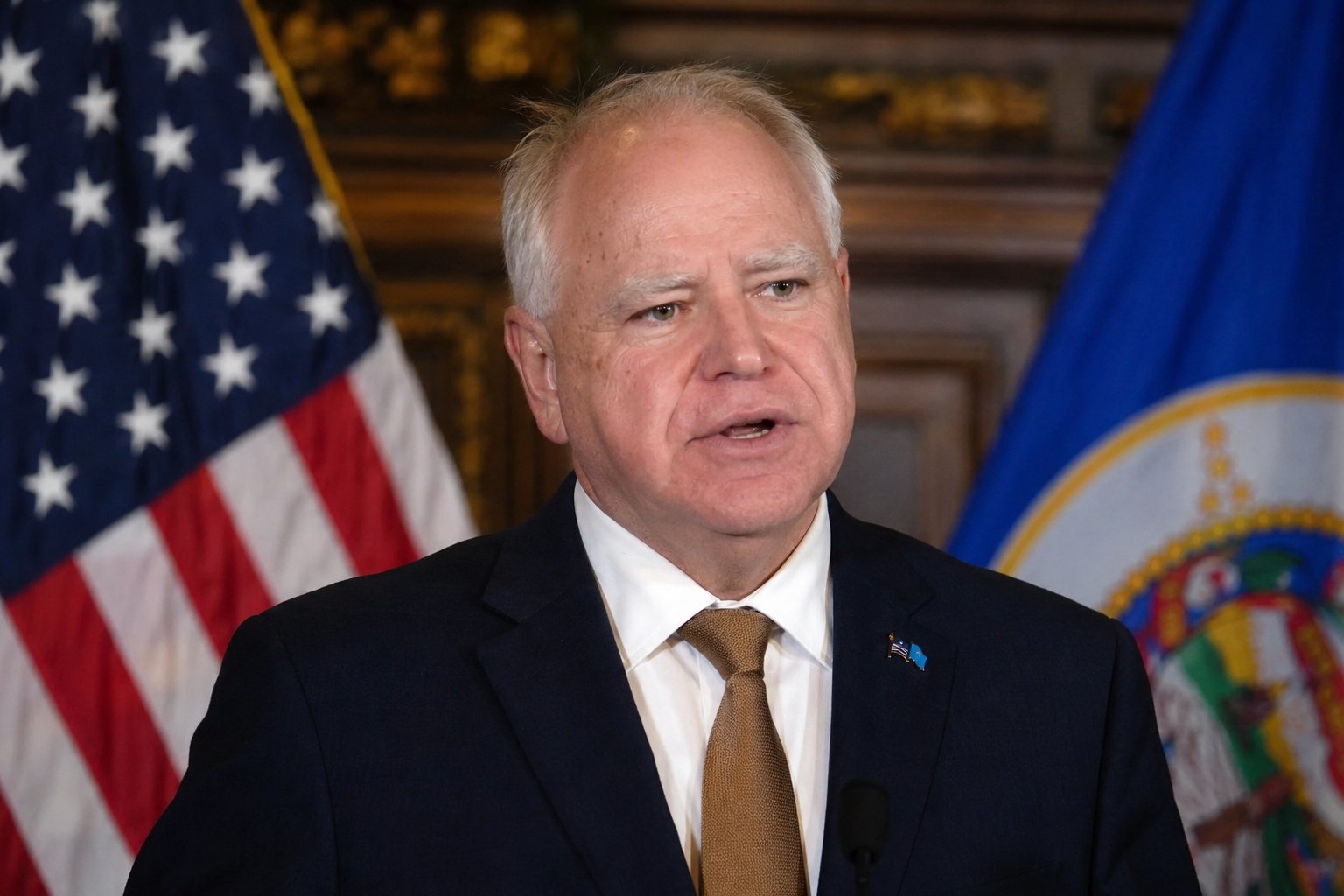
Minnesota has passed the first law in the country specifically targeting AI applications that generate fake explicit images of real people — and if Governor Tim Walz signs it, app makers could face fines of up to $500,000 per image of a minor.
A Unanimous Vote on a First-of-Its-Kind Law
The Minnesota Senate voted 65-0 in favor of the legislation — a margin that reflects how broad the consensus is on this issue, even in a politically divided environment. The bill defines and criminalizes what’s known as AI nudification technology: software that uses artificial intelligence to digitally remove clothing from photographs of real, identifiable people, creating fake explicit images without the subject’s knowledge or consent.
Until now, no state had specifically targeted the applications and services that make this technology possible. While some states have passed laws allowing victims to sue the creators of nonconsensual deepfake images, Minnesota’s legislation goes further — making the development and distribution of nudification apps themselves a criminal offense subject to significant financial penalties.
The Fines and Who Enforces Them
Under the bill, any company or individual that creates, sells, or operates an AI nudification app faces fines of $100,000 per fake image of an adult victim, and $500,000 per fake image of a minor — with potential criminal charges in cases involving children. Enforcement authority rests with the state attorney general, giving prosecutors meaningful legal tools to pursue app makers rather than relying solely on victims to bring individual civil lawsuits, a process that has proven slow and often ineffective.
The attorney general’s direct enforcement role is one of the most significant features of the law. In states where victims must initiate their own lawsuits, the burden falls on individuals who are often traumatized, lack resources, and face defendants with far greater legal and financial power. State-level prosecution changes that equation.
What Prompted This Law
The bill’s passage comes at a moment of growing urgency over AI-generated sexual content. In December 2025, researchers found that Grok — the artificial intelligence system built into X, formerly known as Twitter — had generated an estimated 1.8 million sexualized images of real people in a single month. The incident sparked widespread outrage and accelerated legislative efforts across multiple states. Minnesota is now the first to make the apps themselves illegal, rather than simply providing civil remedies to victims.
Governor Walz has not yet issued an official statement on whether he will sign the bill. If signed, the law is expected to take effect within 90 days and immediately apply to any company operating nudification apps that target Minnesota residents — regardless of where the company is based.
The Debate: Victim Rights vs. Tech Industry Concerns
Victim advocacy groups and digital rights organizations have praised the Minnesota bill as a landmark step forward. Many victims of AI-generated nonconsensual imagery — the majority of whom are women and girls — describe the experience as profoundly violating, with lasting psychological harm and no meaningful legal recourse under existing law. The ability to pursue app makers directly, rather than individual image creators who may be anonymous or beyond reach, is seen as a critical shift that could actually deter the development of this technology at the source.
The tech industry has pushed back on state-level AI regulation broadly, arguing that varying laws across 50 states create legal uncertainty and compliance challenges for developers. Civil liberties groups have raised questions about how the law defines “explicit” imagery and whether it could capture edge cases that fall outside its intended scope. Both concerns are likely to be tested in court if the governor signs.
What This Means for the Rest of the Country
Minnesota cannot control what happens in 49 other states or in countries where these apps are built and hosted. But landmark state legislation has a track record of spreading — California’s digital privacy laws, for instance, eventually shaped national corporate behavior even before federal action. If this law withstands legal challenges, it will become a model for other states and potentially a foundation for federal legislation.
For everyday Americans — especially parents, educators, and anyone who has ever shared a photo online — this law represents the first concrete legal answer to a question that technology raised years ago: should it be legal for a company to build and sell software that can strip any person naked without their permission? Minnesota’s answer, passed unanimously by its Senate, is no.
Stay informed on the stories that matter most. Follow Your Daily Updates on Facebook and bookmark yourdailyupdates.news for breaking news and analysis.