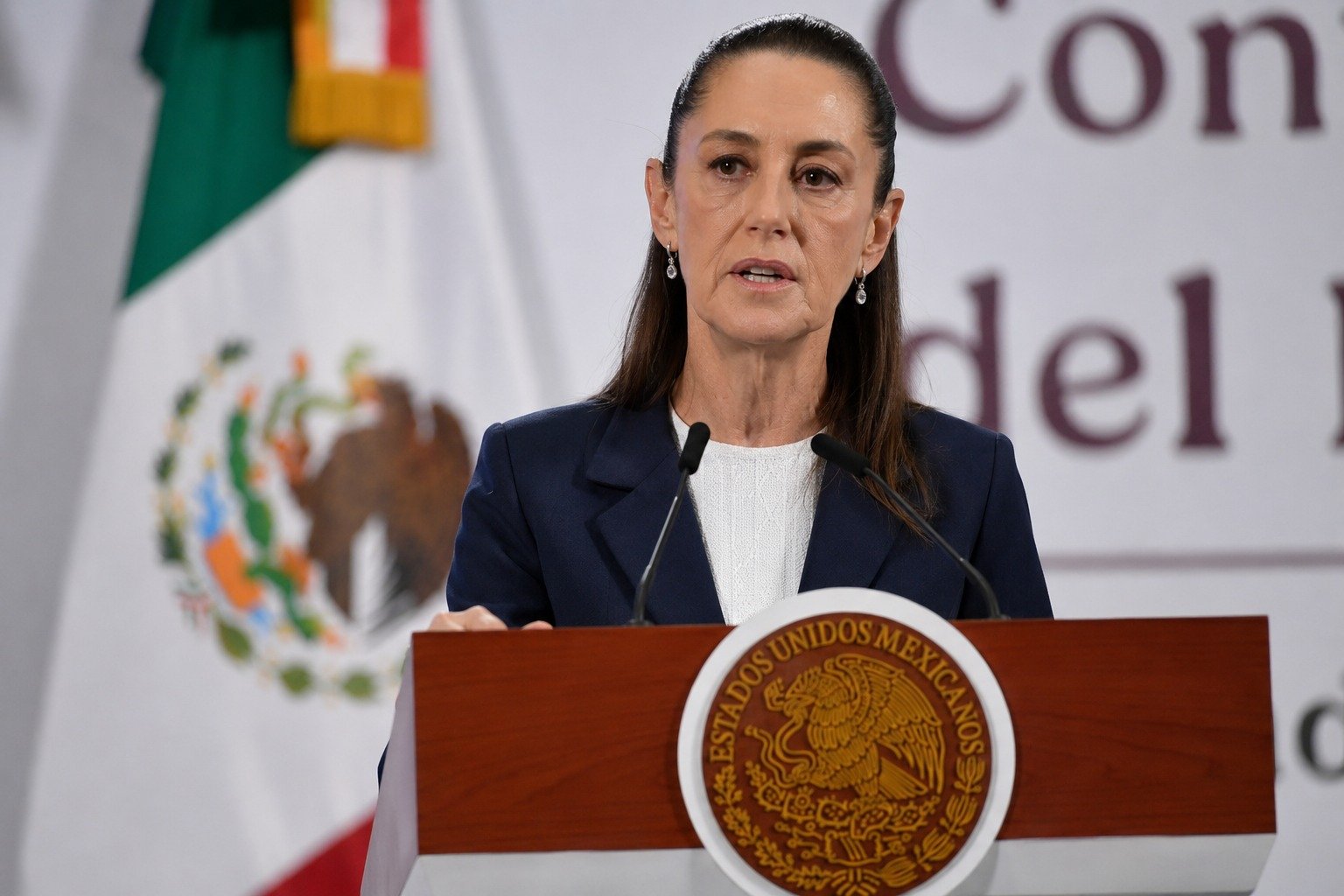
Mexico has set out to do something its northern neighbor never has: guarantee free public healthcare to every one of its roughly 130 million citizens. President Claudia Sheinbaum has signed a decree creating a Universal Health Service, known in Spanish as the Servicio Universal de Salud, that aims to merge the country’s separate public health systems into a single network anyone can use.
What the Decree Actually Does
For decades, healthcare in Mexico has been fragmented. The care a person could receive depended on which institution they belonged to. Salaried private-sector workers were covered through IMSS, government employees through ISSSTE, and millions of others fell under IMSS-Bienestar, the program built for people without formal employment. A patient tied to one system could be turned away at a hospital run by another.
The new plan is designed to break down those walls. Under the Universal Health Service, the goal is for any patient to be able to walk into any public hospital or clinic and be treated, regardless of which agency they are formally enrolled in. In principle, that turns a patchwork of competing systems into one shared safety net.
Confirmed, But Still Rolling Out
It is important to be precise about where this stands, because the headlines can outrun the reality. The program is not yet fully operational. What exists today is a signed decree that is being phased in over time, not a finished, nationwide system that flipped on overnight.
The first registrations opened in April 2026, beginning with citizens aged 85 and older, who were invited to sign up for the identification needed to access the unified system. The full integration phase is scheduled to begin on January 1, 2027, and the broader target of genuinely universal coverage is aimed at 2027 rather than the present moment. In other words, this is a launched-and-phasing plan with a clear timeline, and the most ambitious promises are still ahead.
The Wage Story Behind the Headlines
Running alongside the healthcare push is an equally striking story about wages. Mexico’s daily minimum wage has climbed roughly 154% since 2018, a streak that began under former President Andres Manuel Lopez Obrador and that Sheinbaum has continued. The 2026 increase lifted the daily minimum from about 278.8 pesos to 315.04 pesos, or roughly $17.20 a day, effective at the start of the year.
To be accurate, this is not a single one-time doubling decreed by one president. It is a cumulative climb stacked up over several years of regular hikes. Mexican officials credit those increases with helping drive record levels of foreign investment, arguing that higher wages have strengthened domestic demand without scaring off employers. Critics counter that sustained, rapid wage growth raises long-term costs, particularly for small businesses operating on thin margins.
Supporters, Skeptics, and the Open Questions
Taken together, the healthcare decree and the wage trajectory add up to one of the most ambitious social agendas anywhere in the hemisphere. Supporters describe it as a model for what a government can deliver to working families: broad medical access on one side, steadily rising pay on the other.
Skeptics raise hard questions that will not be settled by a signing ceremony. How does a phased healthcare system get fully funded and adequately staffed by 2027? Where do the doctors, nurses, and facilities come from to serve everyone who shows up once the walls between institutions come down? And can wage growth keep climbing without straining the employers expected to pay it? Those questions are now front and center as the rollout proceeds.
What This Means for Americans
For readers in the United States, the relevance is hard to miss. Mexico is attempting, on a national scale and right across the border, the kind of universal-coverage promise that American politicians have debated for generations without enacting. Whether Mexico’s phased experiment succeeds or stumbles, it offers a real-time case study in the costs, trade-offs, and staffing challenges that come with guaranteeing healthcare to an entire population.
Stay informed on the stories that matter most. Follow Your Daily Updates on Facebook and bookmark yourdailyupdates.news for breaking news and analysis.