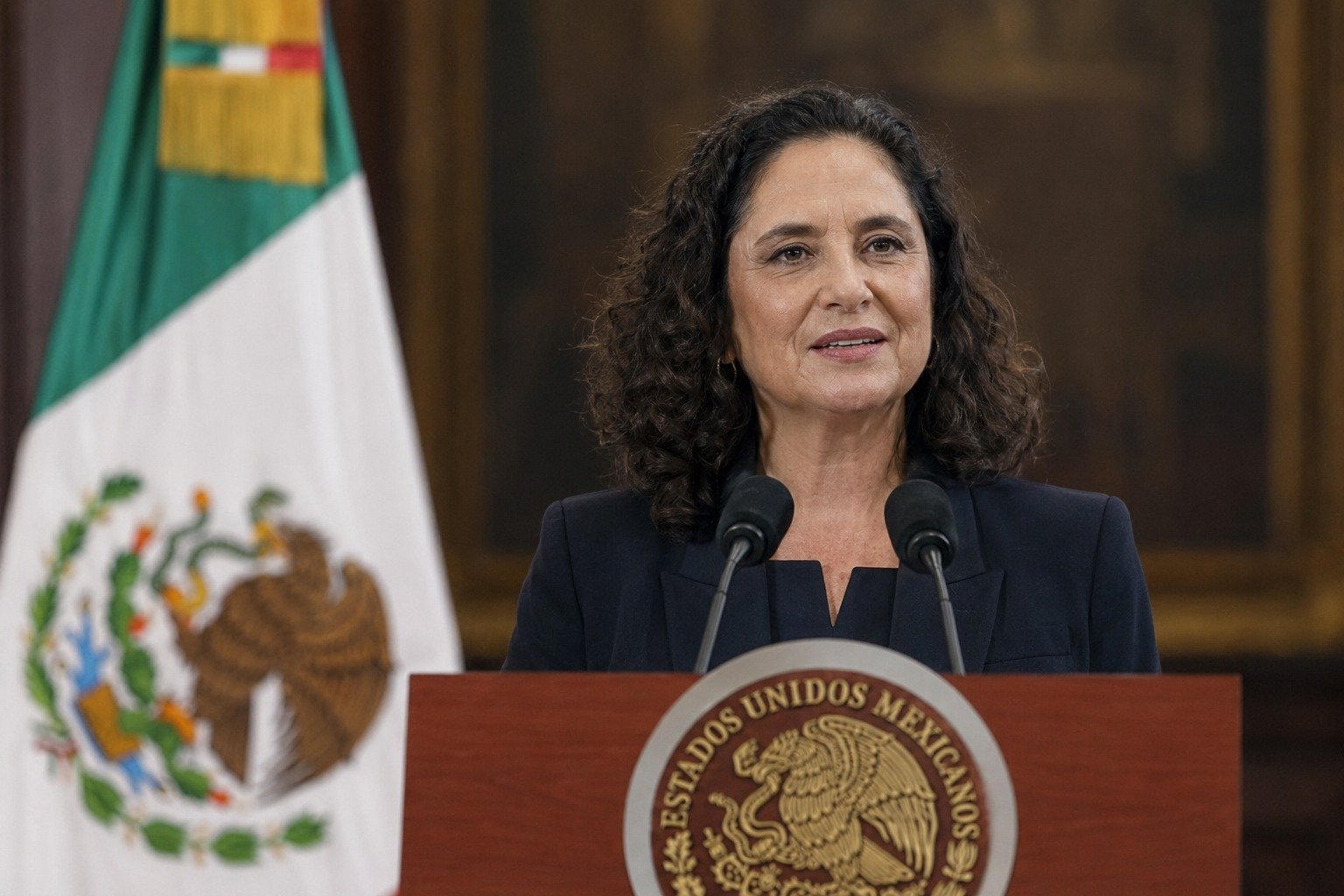
Mexico has begun one of the most ambitious health policy projects in its history: a push to place all of its roughly 130 million citizens under a single, government-run health system where care at the point of service is free. President Claudia Sheinbaum signed a decree in April creating the country’s new Universal Health Service, and the first registration cards are already being handed out.
The promise is striking in its simplicity. Walk into a public clinic or hospital, get treated, and pay nothing at the counter. No premiums. No copays. No deductibles. No private insurance plan required. For a country where millions have long fallen through the cracks between separate public programs, it is being framed as a turning point.
What the Decree Actually Does
The new system is built on top of IMSS-Bienestar, a public program that already provides free care, medicine, and supplies to people without traditional social security coverage. Rather than scrapping what exists and starting over, the plan knits Mexico’s separate health institutions together — IMSS, ISSSTE, and IMSS-Bienestar — so that a patient can eventually be treated at any public facility, regardless of which program they belong to.
A central piece is a national health ID card. Every citizen is slated to receive one, giving them a single credential that ties them into the broader system. The government has said it intends to register close to 100 million people across all 32 states, a logistical undertaking on a national scale.
A Phased Rollout, Not an Overnight Switch
Despite headlines suggesting universal coverage has already arrived, the reality on the ground is a staged rollout. Registration opened in April and is moving in phases, beginning with the oldest residents first and working down through younger age groups.
Cross-institutional care — the ability to walk into any public facility and be seen no matter which program you belong to — is scheduled to begin in stages in 2027. The first phase is set to focus on the highest-stakes situations: medical emergencies, heart attacks, strokes, high-risk pregnancies, and certain cancer diagnoses. Later phases are expected to expand shared access to laboratories, imaging, and other services.
The Appeal — and the Hard Questions
Supporters see the plan as a historic step toward treating healthcare as a right rather than a product. They frequently point to the United States, where private insurers, premiums, and out-of-pocket costs dominate, as the contrast Mexico is trying to avoid. To advocates, a system where no one is turned away at the counter is exactly the kind of guarantee a modern government should provide.
Critics are not necessarily opposed to the goal, but they raise the questions that any sweeping promise invites. How does a government sustainably fund free care for 130 million people over the long term? Can public hospitals and clinics — many already stretched thin, with shortages of staff and supplies reported in parts of the country — absorb a surge in demand without longer wait times? And will the phased timeline hold, or slip?
Both sides have a point. A universal guarantee on paper means little if the facilities behind it cannot deliver. At the same time, building toward universal access is precisely the kind of structural change that takes years to judge fairly.
Why It Matters Beyond Mexico
For Americans watching from the north, Mexico’s experiment lands in the middle of a debate that never really goes away in the United States. The cost of insurance, surprise medical bills, and the role of private insurers are perennial political flashpoints. A neighboring country attempting full universal coverage — and the results it produces, good or bad — offers a real-world case study that both sides of the U.S. argument are likely to cite for years.
For now, the promise is sweeping and the rollout is just beginning. The real test is not the decree itself, but whether the system can actually deliver on it.
Stay informed on the stories that matter most. Follow Your Daily Updates on Facebook and bookmark yourdailyupdates.news for breaking news and analysis.