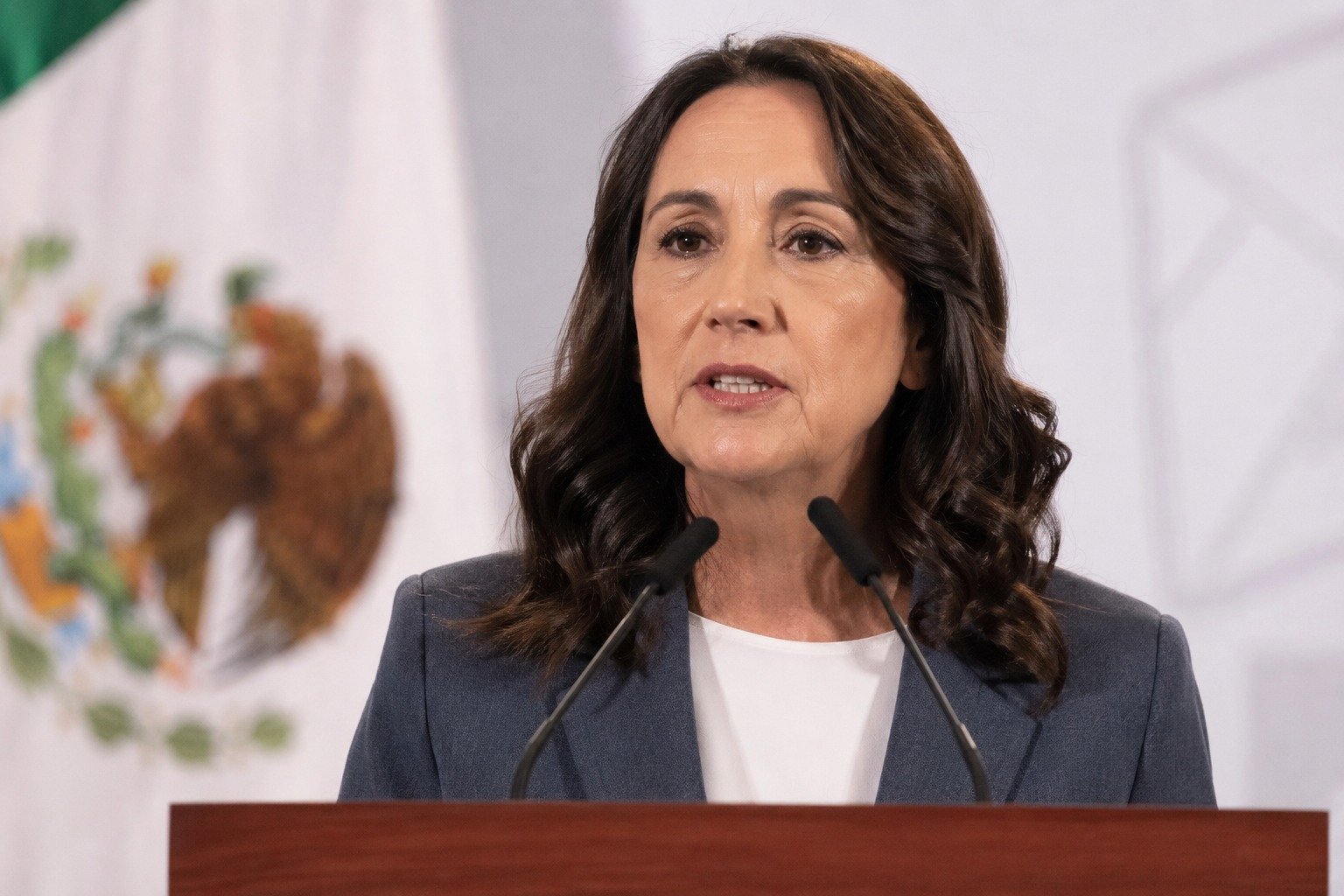
Mexican President Claudia Sheinbaum says her government is done keeping quiet. On Thursday, July 9, she announced that Mexico will move beyond diplomatic channels and pursue legal action against the United States after an Immigration and Customs Enforcement agent shot and killed one of its citizens on the streets of Houston.
The man was Lorenzo Salgado Araujo, 52, who had lived in Houston for more than 30 years. On Tuesday, July 7, immigration agents pursued him in east Houston, and he was shot and killed during the encounter. The Department of Homeland Security says agents were pursuing Salgado Araujo for being in the country illegally and claims he ignored orders and tried to ram an agent, with the agent asserting he acted in self-defense. His family and the Mexican government are demanding a fuller accounting of what happened.
Beyond diplomatic channels
Sheinbaum framed the response as a deliberate escalation. Rather than limiting Mexico’s reaction to formal diplomatic protests, she said the government will take concrete legal steps in the American justice system. Mexico intends to submit requests to U.S. state prosecutors and to the Department of Justice, asking them to consider criminal charges against those responsible for Salgado Araujo’s death.
On top of that, Sheinbaum said Mexico plans to file civil lawsuits against the private companies that operate immigration detention centers. It is an unusually aggressive posture for a foreign head of state, one that seeks to hold both individual officers and the corporations profiting from immigration enforcement accountable in American courtrooms.
It is important to be precise about where this stands. This is not a single lawsuit that Sheinbaum has already filed against the United States, and no criminal charges have been brought. What she announced is a formal push – a stated intent to press prosecutors to act and to bring civil claims against detention operators. It is pending action, not a case already in front of a judge.
A pattern, not an isolated case
Sheinbaum made clear she does not see the Houston shooting as a one-off tragedy. According to the Mexican government, 14 Mexican nationals have died while in ICE custody, and three others have been killed during enforcement operations. Mexico argues that this is a pattern its government can no longer treat as routine, and that the scale of the deaths is exactly what justifies moving from diplomatic complaint to legal action.
For a country whose citizens make up one of the largest immigrant populations in the United States, the stakes are enormous. The Mexican government has consular obligations to protect its nationals abroad, and Sheinbaum is signaling that those obligations now extend to seeking accountability inside the American legal system itself.
An unusual international clash
The move sets up a rare confrontation: a sitting foreign president openly demanding that American prosecutors bring charges against U.S. agents over how they treat immigrants. The Department of Homeland Security’s account – that the agent fired in self-defense after Salgado Araujo allegedly tried to ram him – stands in sharp contrast to the picture painted by his family and the Mexican government, who point to a man who had built a life in Houston over three decades.
How U.S. prosecutors respond to a foreign government’s request is far from certain, and the civil suits against detention operators would face their own legal hurdles. But the announcement itself marks a significant shift in tone. Sheinbaum is betting that public pressure and formal legal filings will force a level of scrutiny that quiet diplomacy has not.
For now, the central question is whether the deaths of Mexican nationals in and around immigration enforcement will draw criminal accountability – or whether they will be absorbed as the cost of aggressive operations. Sheinbaum has made her position unmistakable: her government intends to press the issue in the courts, not just at the negotiating table.