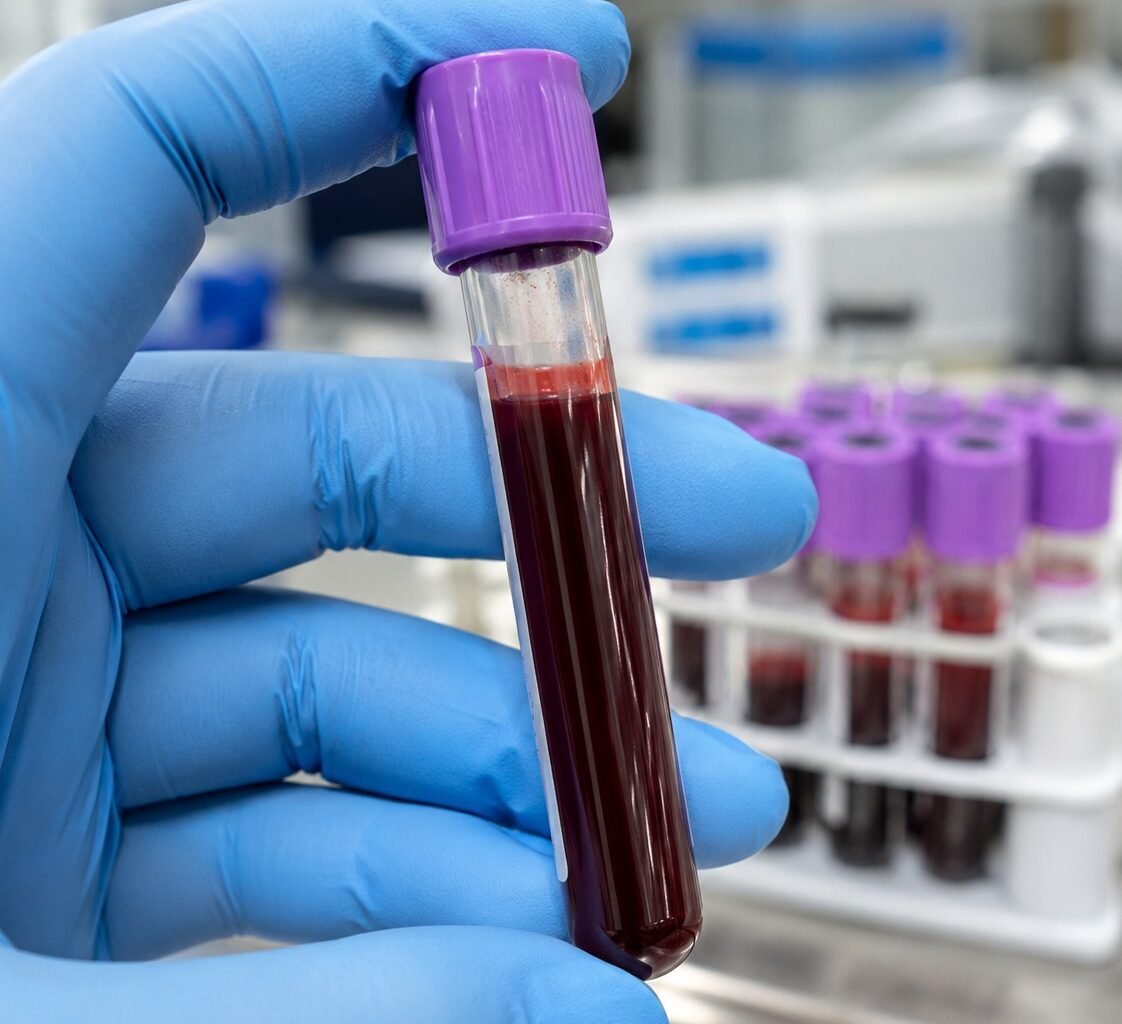
England is on course to become one of the first countries in the world to eliminate hepatitis C, health officials announced this week, putting the nation on track to beat the World Health Organization’s 2030 target for wiping out the virus. It is a milestone that much of the globe is still chasing — and it was built inside a publicly funded health service.
NHS England said the country is now “on the cusp” of elimination after treating more than 100,000 people for hepatitis C in just ten years. Deaths linked to the virus have fallen by roughly 36% over the past decade, and modern antiviral drugs now cure more than 95% of cases.
What “Elimination” Actually Means
It is worth being precise, because the headline can be misread. Hepatitis C has not vanished from England, and officials are not claiming zero cases. In public health terms, “elimination” means reducing a disease to the point where it is no longer a major threat to the population — a dramatic, measurable collapse in new infections, illness and death, rather than the total eradication of every last case.
Hepatitis C is a bloodborne virus that attacks the liver. Left untreated, it can quietly cause cirrhosis, liver failure and liver cancer over many years, often before a person even knows they are infected. For decades it was a slow, silent killer with treatments that were harsh and frequently ineffective. That is what makes the turnaround so striking.
How England Got Here
The breakthrough came from a combination of better medicine and a health system large enough to deploy it at scale. A new generation of direct-acting antiviral drugs transformed hepatitis C from a difficult, low-success illness into one that can be cured in the vast majority of patients with a short course of pills.
In 2019, the NHS struck a landmark deal to buy those antivirals in bulk, securing them at scale for the population. Crucially, officials did not simply wait for sick people to walk through the door. They went looking — tracing and testing people who did not know they were infected, including those who had fallen out of contact with the health system entirely. England has already exceeded the WHO benchmark of treating 80% of known cases.
Why It Matters Beyond England
The progress is a case study in what a universal, publicly funded health system can accomplish when it treats a disease as a problem to be solved rather than a market to be managed. Bulk-buying the cure, then actively hunting down infections, is exactly the kind of coordinated push that fragmented, profit-driven systems struggle to pull off.
Officials caution that the last stretch is often the hardest. The remaining undiagnosed cases tend to sit among the most marginalized people — those without stable housing, those disconnected from regular care — and reaching them takes sustained effort and funding rather than a victory lap.
What This Means for Everyone Else
For ordinary people, the lesson is blunt: a deadly virus that once seemed permanent can be driven to the brink of elimination in a single decade when a health system decides to make it a priority and has the reach to act. It raises an obvious question for every other country still living with hepatitis C — if England can do this, why can’t we?
Stay informed on the stories that matter most. Follow Your Daily Updates on Facebook and bookmark yourdailyupdates.news for breaking news and analysis.