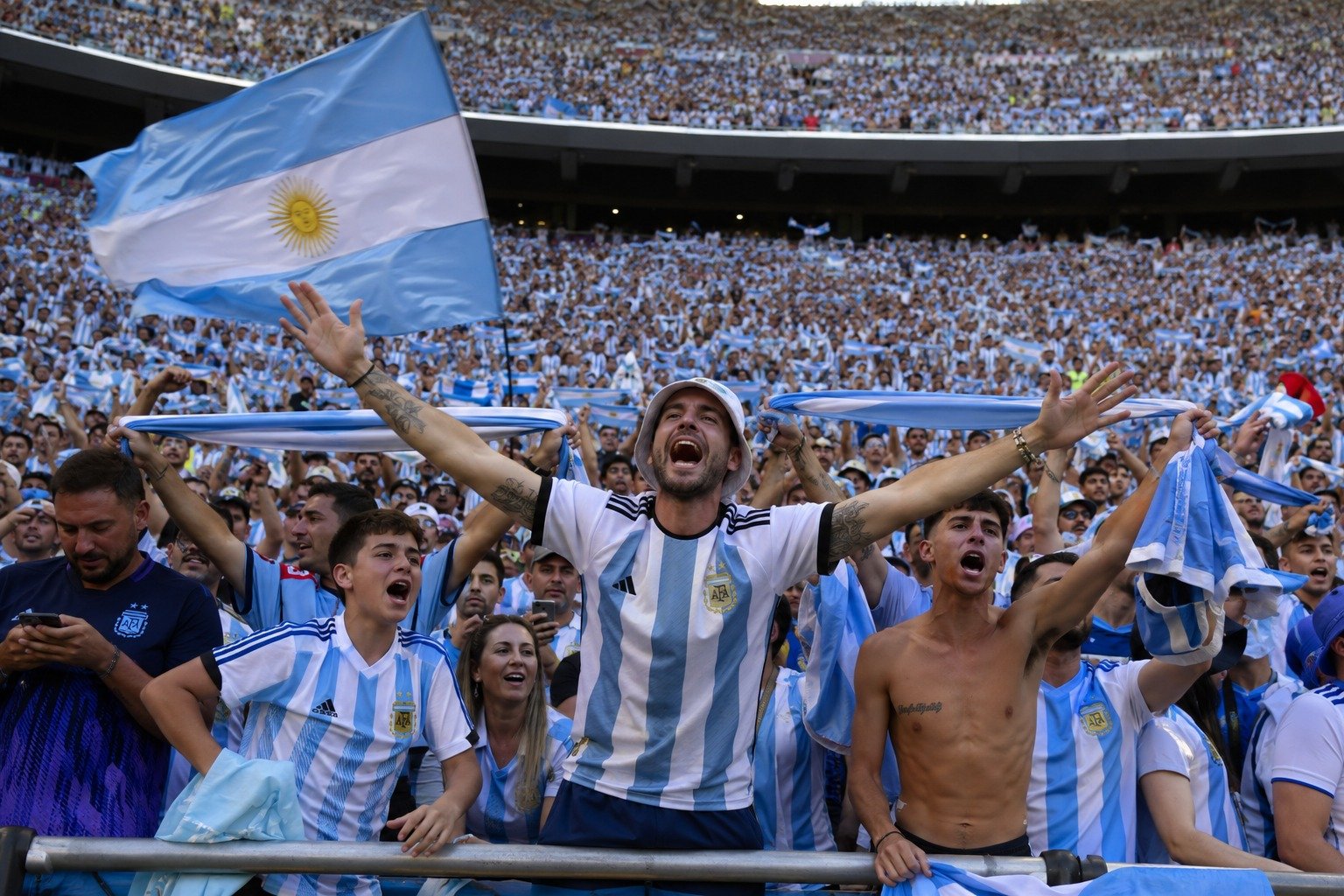
Argentina has handed United States authorities a list of roughly 13,000 people who owe child support, asking that those individuals be flagged and barred from entering 2026 World Cup stadiums. It is one of the most unusual accountability measures tied to a major sporting event in recent memory, turning the world’s biggest soccer tournament into a pressure point for parents who have fallen behind on their obligations.
Where the List Comes From
The request is an extension of a system Argentina already runs domestically called “Tribuna Segura,” which translates roughly to “Safe Stands.” Inside Argentina, the program cross-checks fans against official registries before they are allowed into stadiums. Originally built to keep violent offenders and barred hooligans out of matches, the registry has expanded to include people with outstanding debts that the courts have flagged, including unpaid child support.
Now, with the 2026 World Cup set to be hosted across the United States, Mexico, and Canada, Argentine officials want that same accountability to follow their citizens abroad. The roughly 13,000 names represent parents who, according to Argentine records, have failed to keep up with court-ordered support payments. The country has asked U.S. authorities to treat those names the way Argentina treats them at home: as grounds to deny entry at the gate.
A Request, Not a Confirmed Ban
It is important to be precise about what this actually is. Argentina has made a request. It has handed over a list and asked that the people on it be flagged at venue entry. What it has not done is secure a guarantee that U.S. stadiums will actually turn anyone away.
Enforcement on American soil is not confirmed. Whether U.S. officials and stadium operators will act on a foreign government’s debtor list, and what legal mechanism would even allow them to do so at a privately operated venue, remains an open question. For now, the list is a diplomatic and symbolic push rather than a locked-in policy. Anyone treating this as a done deal is getting ahead of the facts.
There Is a Way Off the List
Crucially, the list is not a permanent blacklist. Anyone whose name was submitted can be removed by clearing what they owe. The mechanism is straightforward: pay down the arrears, and the flag comes off. In effect, the fastest route into a World Cup stadium for someone on this list is to settle the child support debt that put them there in the first place.
That design is the entire point. The goal is not to humiliate anyone or to bar them forever. It is to use one of the most coveted tickets in sports as leverage to get money flowing to the children and custodial parents who are owed it. For a parent desperate to attend the tournament, the incentive to pay up is suddenly very real.
The Debate It Sets Off
Supporters see it as a creative, even overdue, way to force accountability on parents who have dodged their responsibilities for years. Child support enforcement is notoriously difficult, and the people it hurts most are kids. Tying a real consequence to a high-profile event, supporters argue, is exactly the kind of pressure that traditional collection efforts often fail to deliver.
Critics counter that a soccer match is the wrong venue for enforcing a family court debt. They warn about due process, about the accuracy of a list of 13,000 names, and about the precedent of using entertainment access to police financial obligations. If a debtor list can keep someone out of a stadium, where does that logic stop?
What This Means for Americans
With the 2026 World Cup landing in American cities, the U.S. response to Argentina’s request could set a tone for how host nations handle visiting fans and foreign enforcement requests. For American families navigating their own child support battles, the story also lands close to home: it is a reminder of how hard these debts are to collect, and how far some governments are now willing to go to collect them. Whoever ends up barred or not barred at the gate, the underlying issue is the same everywhere: children owed support who are not getting it.
Stay informed on the stories that matter most. Follow Your Daily Updates on Facebook and bookmark yourdailyupdates.news for breaking news and analysis.