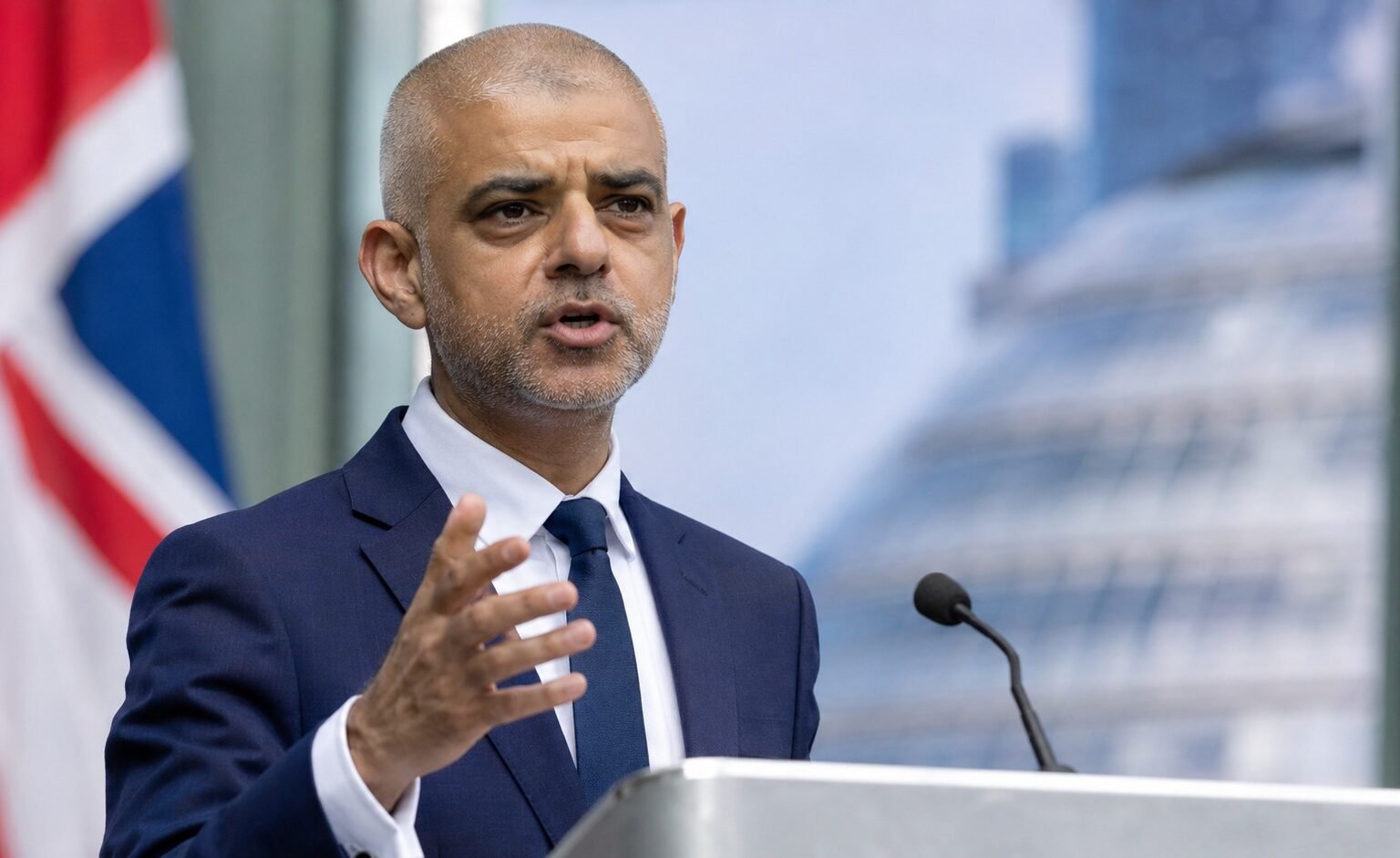
London Mayor Sadiq Khan has declared that Israeli Prime Minister Benjamin Netanyahu is "not welcome in London," and that if Netanyahu ever sets foot in the United Kingdom, the country should be prepared to act on the International Criminal Court’s arrest warrant against him. It is one of the sharpest interventions yet from a senior British official on a question that has divided Western governments.
Khan’s comments were rooted in a simple principle he keeps returning to: "anyone accused of genocide must face justice." But the framing matters, and it is worth being precise about what the mayor can and cannot do.
What Khan Actually Has the Power to Do
As Mayor of London, Khan does not have the authority to arrest anyone. Enforcing an international warrant is a matter for UK police, the courts, and the national government — not for City Hall. What Khan is doing is using the visibility of his office, leading one of the world’s largest and most globally connected cities, to pressure Britain into honoring its obligations under the ICC.
That distinction is important. The mayor is not claiming a power he does not hold. He is lobbying — loudly and publicly — for the government to follow the rules the UK has already signed up to. In effect, he is daring his own government to act.
The ICC Warrant and the "Genocide" Label
The word "genocide" is doing heavy lifting here, and it should be understood for what it is: Khan’s own characterization. It echoes accusations that have been leveled against Israel over its conduct in Gaza, but it is not a settled finding of any court. No international tribunal has issued a final ruling that genocide has been committed.
The ICC arrest warrant itself is tied to alleged war crimes and crimes against humanity. Netanyahu has flatly rejected the charges, calling them politically motivated and an assault on Israel’s right to defend itself. Those are allegations that the court will ultimately weigh — they are not conclusions that have been proven.
Why It Lands So Hard
The reason Khan’s statement resonates is that the UK is a member of the ICC and is, in principle, legally obligated to detain individuals subject to its warrants. That creates an uncomfortable question for the British government: does international law apply the same way to close allies as it does to adversaries?
For years, critics have argued that the international justice system enforces its rules selectively — aggressively against weaker states and leaders the West opposes, and hardly at all against powerful friends. Khan’s challenge puts that tension in the spotlight and forces a normally abstract debate into concrete terms.
The Backlash
Supporters see Khan’s stance as a principled defense of accountability — the idea that the same rules should apply to everyone, regardless of how powerful they are or how close their government is to London and Washington. Critics counter that a mayor has no business freelancing on foreign policy, an area constitutionally reserved for the national government, and that his intervention is more about political signaling than legal reality.
What This Means for Readers
Beyond the headlines, this is a fight about whether international law means anything when it becomes inconvenient. If a founding member of the ICC signals it will not enforce a warrant against a powerful ally, it weakens the credibility of the entire system for everyone else. If it does enforce, it risks a diplomatic rupture. Khan has made sure the public is watching which way Britain leans.
Stay informed on the stories that matter most. Follow Your Daily Updates on Facebook and bookmark yourdailyupdates.news for breaking news and analysis.