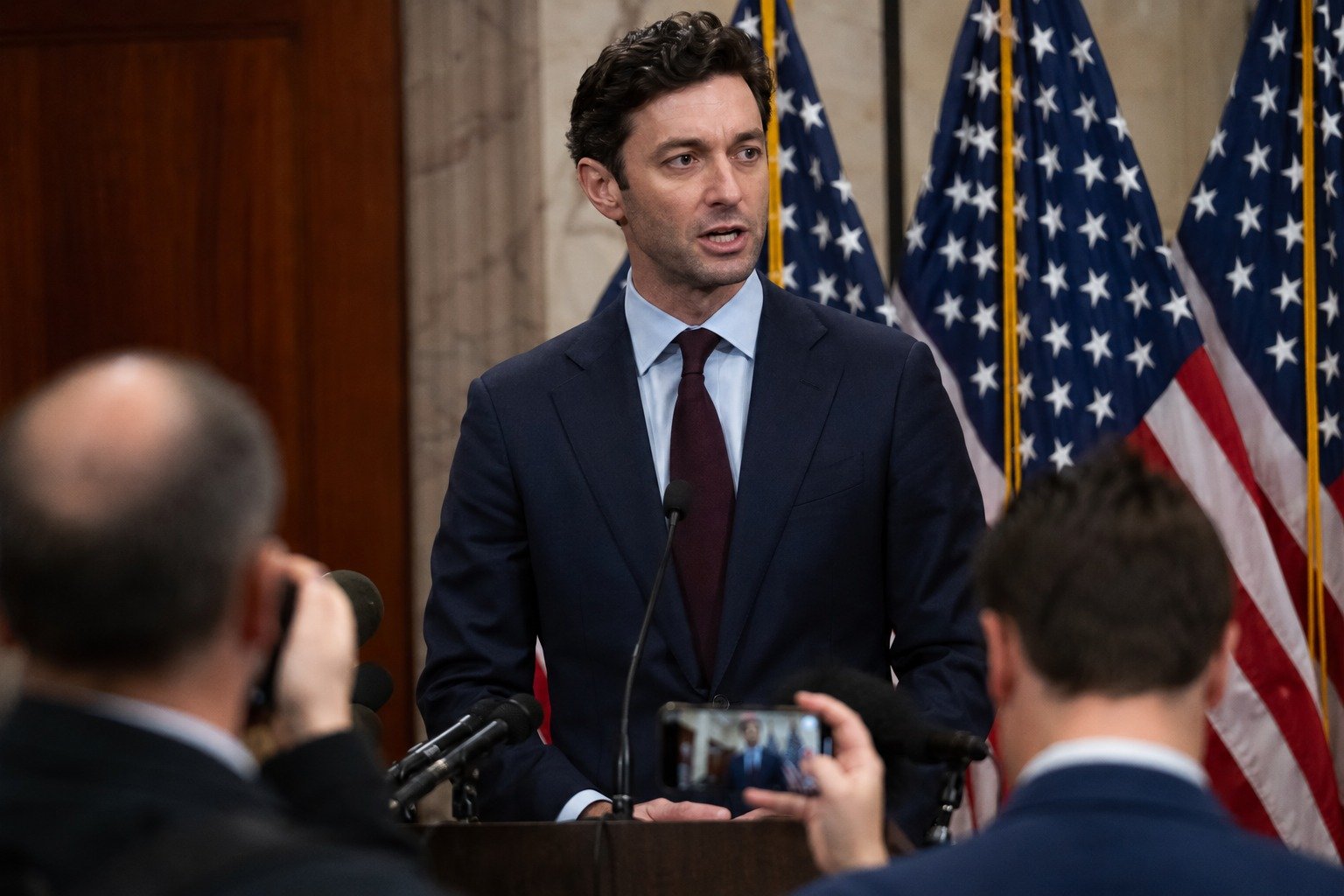
Senator Jon Ossoff is putting one of his signature causes back at the center of his agenda: getting big money out of American politics. The Georgia Democrat is renewing his call for a constitutional amendment to overturn Citizens United, the 2010 Supreme Court decision he has described as “the most destructive court decision in modern American history.”
It is not a new fight for Ossoff. Reversing Citizens United has been a stated priority since his first run for the Senate. But heading into a 2026 re-election campaign, he is amplifying the message again, framing the flood of money in politics as a direct threat to whether ordinary Americans have a real voice in their own government.
What Citizens United Actually Did
In 2010, the Supreme Court ruled in Citizens United v. Federal Election Commission that the government could not limit independent political spending by corporations, unions, and other outside groups. The decision held that such spending is a form of protected speech under the First Amendment.
The practical effect was sweeping. The ruling opened the door to super PACs and an explosion of outside money, much of it difficult to trace back to its original source. Critics argue it handed the wealthiest interests an outsized megaphone and drowned out the voices of everyday voters, tilting the political playing field toward whoever can spend the most.
Why Ossoff Is Pushing Now
For Ossoff, the issue is foundational. He has long argued that a government captured by donors cannot truly answer to the people, and that nearly every other reform – on health care, on wages, on the cost of living – runs into the same wall of concentrated money. Taking on Citizens United, in his framing, is about restoring a basic democratic principle: that elections should belong to voters, not to the highest bidder.
Renewing the call as he campaigns for a second term keeps the anti-corruption message front and center with the constituents who first sent him to Washington. It is a theme that resonates across party lines, with polling consistently showing broad public frustration over the influence of money in politics.
A Steep Constitutional Climb
There is a reason a constitutional amendment is such a heavy lift. Because Citizens United was a Supreme Court interpretation of the First Amendment, one of the only durable ways to reverse it is to amend the Constitution itself. That requires two-thirds approval in both the House and the Senate, followed by ratification by three-quarters of the states – 38 of the 50.
No amendment has cleared that bar in decades, and in today’s divided Congress the odds are long. Supporters counter that the difficulty is exactly why the push needs to start now, building public pressure ahead of the next wave of election spending rather than waiting for a more convenient moment that may never arrive.
The Debate Ahead
Critics of the amendment effort argue it is unrealistic and warn that restricting political spending could chill protected speech. Supporters say the status quo already silences ordinary Americans by letting the wealthiest interests dominate the conversation. Both sides agree on one thing: the question of who really controls American elections is not going away.
What This Means for Americans
For everyday voters, the stakes are concrete. When a handful of mega-donors can shape who runs, who wins, and which issues get attention, the priorities of working families can get pushed aside. Ossoff’s argument is that until that imbalance is addressed, the people footing the bill for everything from rising costs to stagnant wages will keep struggling to be heard. Whether or not an amendment ever passes, the fight is over a basic question of accountability: who is Washington actually working for?
Stay informed on the stories that matter most. Follow Your Daily Updates on Facebook and bookmark yourdailyupdates.news for breaking news and analysis.