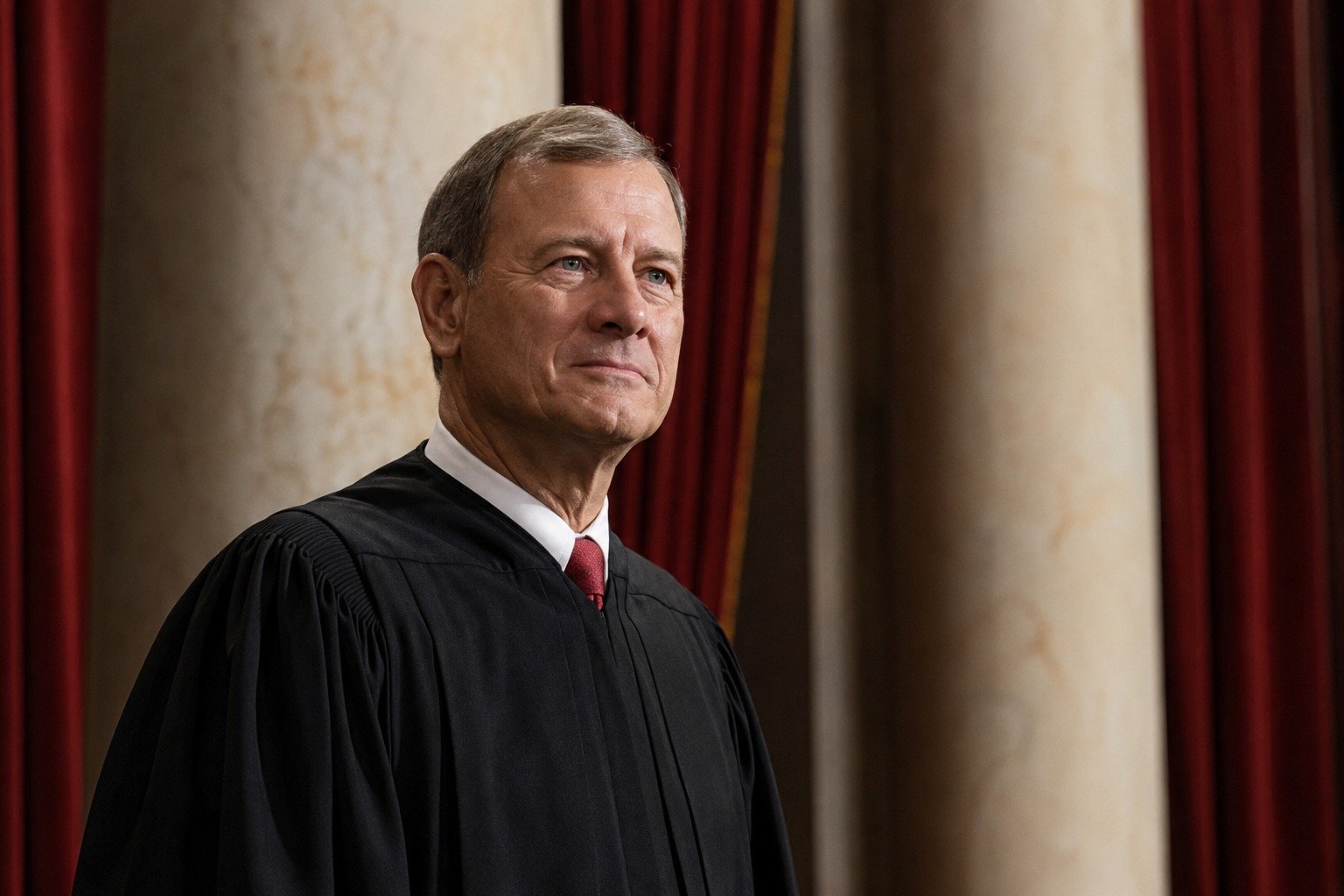
Rep. Steve Cohen (D-TN) has filed six articles of impeachment against Chief Justice John Roberts, an extraordinary move that accuses the head of the U.S. Supreme Court of steering the institution into a partisan, accountability-free zone. The resolution, H.Res.1309, was introduced in late May and lays out a sweeping indictment of the Roberts Court’s direction over the past two decades.
The filing is a marker, not a likely conviction. With Republicans in control of Congress, the articles have virtually no path to a vote, let alone removal. In the entire history of the country, only one Supreme Court justice – Samuel Chase, in 1804 – has ever been impeached, and he was acquitted by the Senate. But the document puts on the record a set of grievances that a growing share of Americans share about a Court they no longer trust to act impartially.
What the six articles allege
Cohen’s resolution is organized around six distinct articles, each targeting a different dimension of what he describes as a failure of stewardship at the top of the judiciary.
Politicization of the Court. The first article accuses Roberts of allowing the Supreme Court to become “a political instrument” through its handling of election and redistricting disputes, eroding public confidence that the justices stand above partisan combat.
The presidential immunity ruling. A central article points to Trump v. United States, the 2024 decision that handed presidents broad immunity from criminal prosecution for “official acts.” Critics argue the ruling effectively placed the most powerful person in the country beyond the reach of the law for anything that could be framed as part of the job.
Gerrymandering and voting rights. Another article focuses on the entrenchment of minority rule, citing decisions including Rucho v. Common Cause, which closed federal courts to partisan gerrymandering claims, and more recent cases that critics say have weakened protections for voters of color.
Campaign finance. Cohen takes aim at the line of rulings – led by Citizens United v. FEC and McCutcheon v. FEC – that opened the floodgates to unlimited money in politics, arguing they tilted the system toward the wealthy and away from ordinary voters.
The emergency docket. A further article criticizes the Court’s increasing reliance on its so-called shadow docket to issue consequential, often unexplained orders on an emergency basis, without full briefing or argument.
Failure to recuse. The final article raises questions about Roberts declining to step aside from matters despite his wife Jane Sullivan Roberts’s lucrative legal-recruiting work, which has placed her in contact with firms that practice before the Court.
Why it almost certainly fails
Impeaching a federal judge is one of the heaviest tools the Constitution provides, and it is rarely used against the judiciary’s highest officer. Removal would require a majority of the House to impeach and a two-thirds supermajority of the Senate to convict – a threshold that is unreachable in the current Congress. The Chase precedent looms large: even at the height of an earlier partisan clash over the courts, the Senate refused to remove a sitting justice, establishing a norm that judges should not be ousted over their rulings.
That history is precisely why supporters frame the resolution as a statement rather than a strategy. By filing formal articles, Cohen forces the conduct of the Roberts Court into the congressional record and invites a public debate about whether the justices should face meaningful checks.
A Court under a trust crisis
The filing arrives at a moment when public confidence in the Supreme Court sits near historic lows. Polls in recent years have shown approval of the Court well below majority support, with sharp partisan and generational divides over its legitimacy. Cohen’s articles channel that frustration into a concrete, if symbolic, act of accountability.
Whether viewed as a long-overdue stand or a message bill destined to die quietly, the resolution sharpens a question that is not going away: should the justices who hold the final word on American law ever be answerable for how they use it?