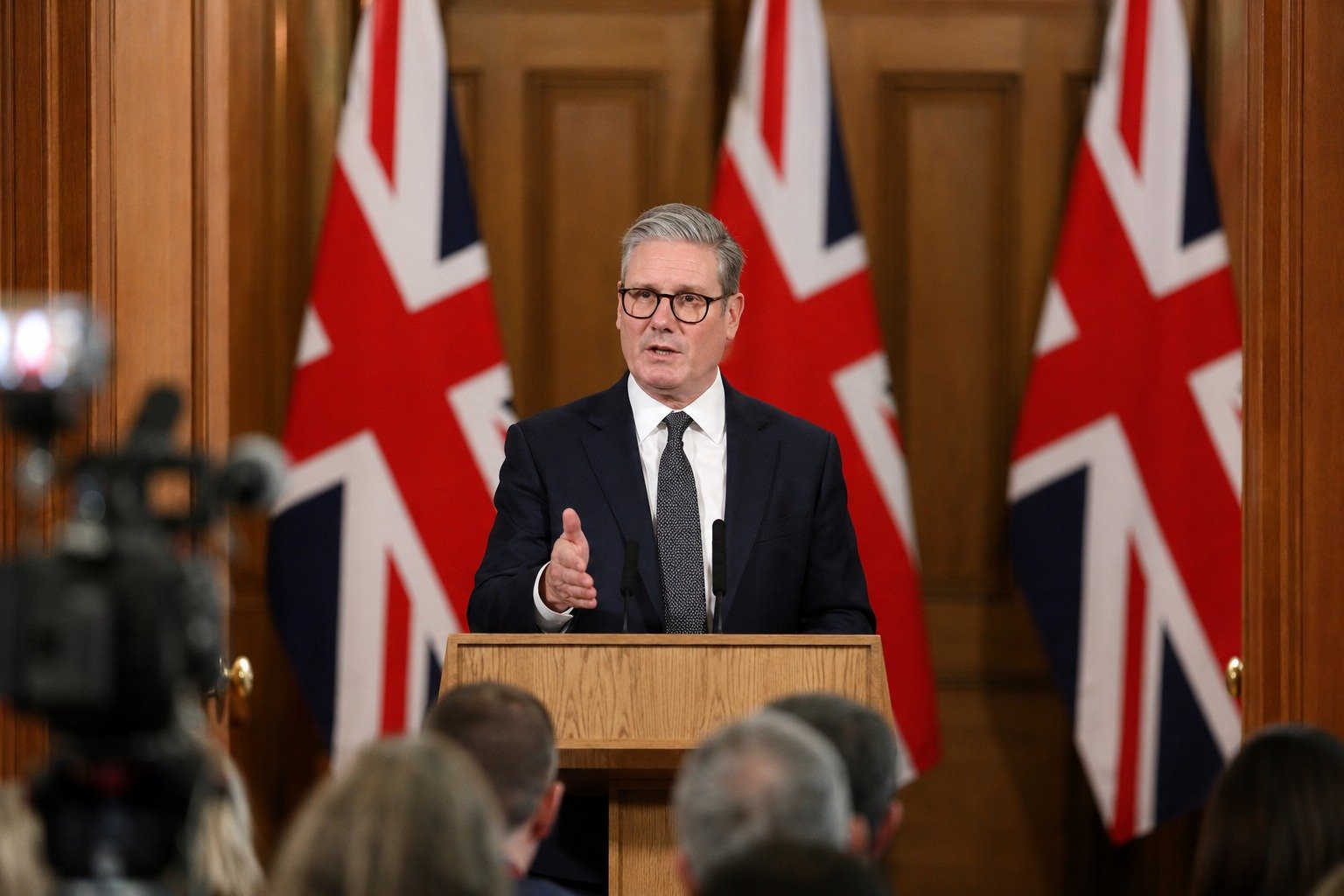
UK Prime Minister Keir Starmer has unveiled a sweeping plan to bar children under 16 from a long list of social media platforms, framing the move as a generational reckoning with how Big Tech treats young users. In an announcement on Monday, June 15, 2026, the government said it intends to keep under-16s off Snapchat, TikTok, YouTube, Instagram, Facebook and X, citing the platforms’ exposure of children to harmful content and their design to maximize screen time.
Crucially, this is a plan — not yet law. The government says it will bring the regulation to Parliament before Christmas, with the protections expected to take effect in spring 2027. Until lawmakers pass it, nothing changes for the millions of British teenagers currently on these apps.
What the Plan Would Do
The proposed restrictions target the feed-driven, algorithm-powered apps that critics say are engineered to keep young users scrolling for hours. Notably, messaging services such as WhatsApp and Signal would be left untouched — a sign the government is drawing a line between private communication tools and the public, content-recommendation platforms it sees as the core problem.
And the social media age wall is only one piece of a broader package. Officials say they are weighing additional measures: blocking strangers from contacting children on gaming and livestreaming platforms, new curbs on AI chatbots, overnight curfews on certain services, and mandatory “infinite scroll” breaks for users under 18. Together, the measures represent one of the most aggressive attempts by any major Western government to regulate children’s relationship with the internet.
A Reversal Driven by Public Demand
The announcement marks a striking turnaround. As recently as March 2026, MPs voted against a ban of this kind. What changed was the public itself. A government consultation drew more than 116,000 responses, and more than 90% of them backed an under-16 ban — a level of public support that proved difficult for the government to ignore.
That groundswell reflects a deepening anxiety among parents, teachers and health professionals about the effects of constant connectivity on young people — from sleep disruption and anxiety to exposure to material no child should encounter. The government has positioned the plan as a direct response to that concern, casting itself as willing to confront the world’s largest technology companies on behalf of families.
The Tech Giants Push Back
Not everyone is convinced. YouTube and Meta, two of the companies whose platforms fall under the proposed ban, have warned that a blanket prohibition could backfire. Their argument: locking under-16s out of mainstream, moderated platforms could simply push them toward darker, unregulated corners of the internet — spaces with weaker safeguards and far less oversight.
Supporters of the plan counter that the status quo has already failed an entire generation. In a business model where a child’s attention is the product being sold to advertisers, they argue, the companies’ assurances of self-regulation have run out of credibility. The debate now moves to Parliament, where the precise scope, enforcement mechanisms and verification methods will be fiercely contested.
Why It Matters
For families in the UK and well beyond, the stakes are immediate. If the regulation passes, Britain would join a small but growing group of countries testing hard limits on youth access to social media — a policy experiment the rest of the world will watch closely. How the UK answers the question of who is responsible for protecting children online could shape the rules for years to come.
Stay informed on the stories that matter most. Follow Your Daily Updates on Facebook and bookmark yourdailyupdates.news for breaking news and analysis.