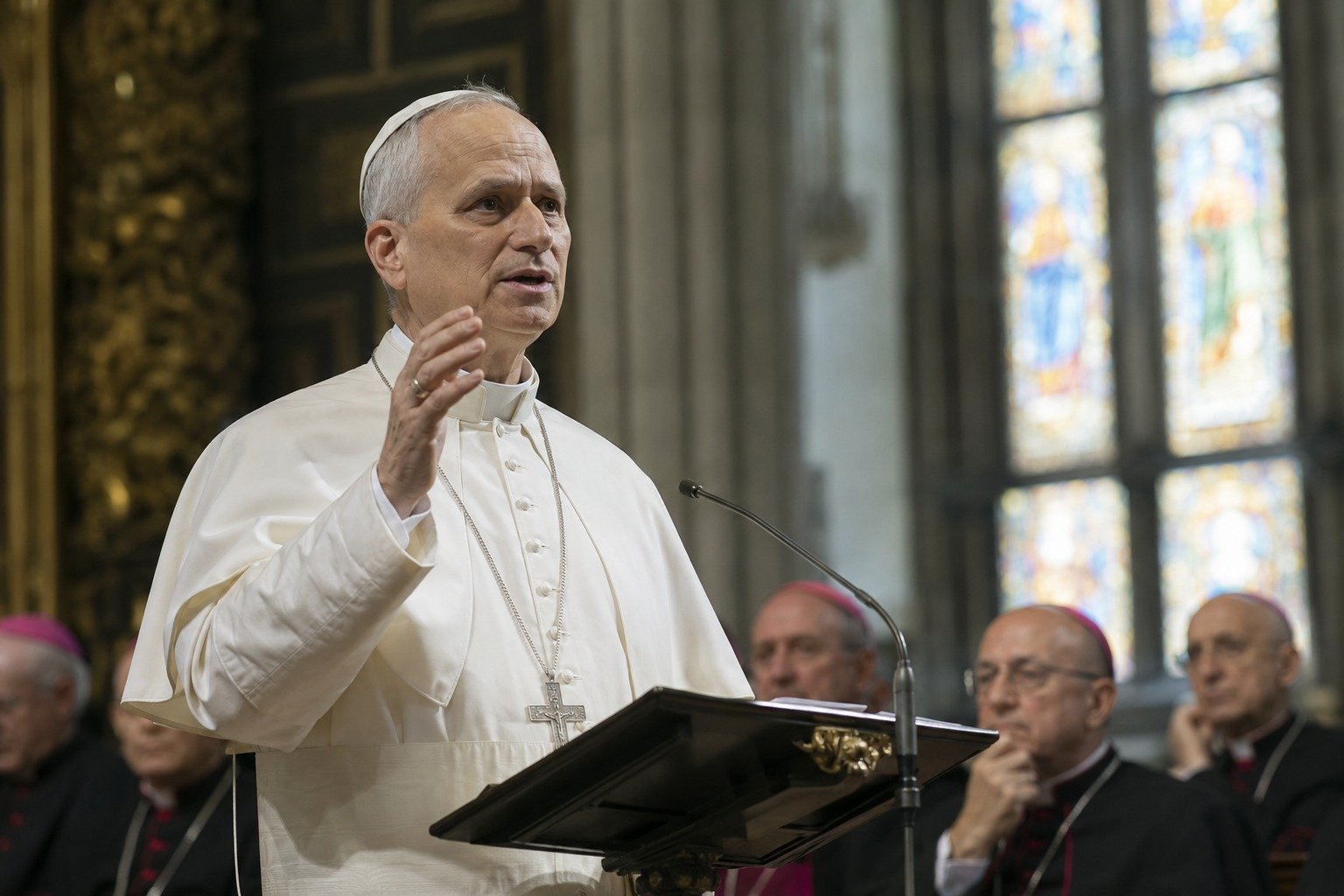
Pope Leo XIV used his visit to Spain to deliver a direct message to the country’s Catholic hierarchy: pay reparations to survivors of clergy sexual abuse, and handle the crisis with full transparency. Speaking to Spanish bishops on Monday, the pope said the Church must respond to the scandal with “listening, truth, justice and reparation.”
It was a pointed call for accountability from the very top of an institution that, for decades, has too often fought disclosure rather than embraced it. And the pope did not stop at words. The same day, he sat down with six survivors of clergy abuse in Madrid for about an hour, listening to their experiences and pledging to weigh their suggestions for how the Church can do better.
Why This Moment Matters
The Catholic Church’s handling of clergy sexual abuse has been one of the defining institutional failures of the past half-century. Across continents, survivors have described not only the abuse itself but the silence and stonewalling that followed when they came forward. Files were sealed. Accused clergy were quietly moved. Apologies, when they came, frequently arrived without meaningful redress.
Against that history, a sitting pope standing before a national bishops’ conference and explicitly demanding reparations and transparency is significant. Reparations move the conversation past expressions of regret and toward concrete obligations: financial compensation, therapy, and acknowledgment of harm. For survivors who have spent years being told to wait, the language of “justice and reparation” from the head of the Church carries real weight.
What Happened in Madrid
During his visit, Pope Leo XIV told Spanish bishops that the ecclesial community is called to confront the abuse crisis head-on rather than manage it quietly. He framed transparency not as an option but as a duty. He then met privately with six survivors, an encounter that lasted roughly an hour, and committed to considering their proposals for reforming how the Church responds to victims.
Meeting survivors directly, and promising to act on what they say, is exactly the kind of step advocates have demanded for years. It signals that survivors are to be treated as partners in reform rather than problems to be contained. But the gesture also raises the stakes: a promise to listen is only as good as the action that follows.
Spain’s Unusual Reparations System
Spain’s approach to compensating survivors stands apart from those of other countries. It gives the national government a strong role in the process, including the final say on payouts. Other nations and churches have built their own mechanisms to compensate survivors and fund therapy, but the Spanish model’s heavy government involvement is distinctive.
There is a catch. The system is not legally binding. Supporters call it a genuine step toward justice and a way to ensure independent oversight. Critics counter that a process the Church cannot be compelled to honor can only go so far, and that voluntary frameworks risk leaving survivors dependent on goodwill rather than enforceable rights.
Not Everyone Got a Seat at the Table
The pope’s outreach was not universally embraced. Several survivor groups that were not invited to the Madrid meeting said they had been left in the dark about the encounter. In protest, they gathered outside the Vatican’s embassy in Madrid for a small demonstration, a reminder that for many survivors, being listened to is not the same as being heard.
That tension goes to the heart of the reform debate. Who decides which survivors are consulted? How is “transparency” measured when some voices are excluded from the room? The protest underscored that trust, once broken on this scale, is rebuilt slowly and unevenly.
What This Means Going Forward
For survivors and the families who have carried this for decades, the pope’s words could mark a turning point, or another round of promises that fade once the visit ends. The difference will be measured in whether reparations actually reach the people the Church harmed, and whether transparency becomes standard practice rather than a slogan. The coming months will show which it is.
Stay informed on the stories that matter most. Follow Your Daily Updates on Facebook and bookmark yourdailyupdates.news for breaking news and analysis.