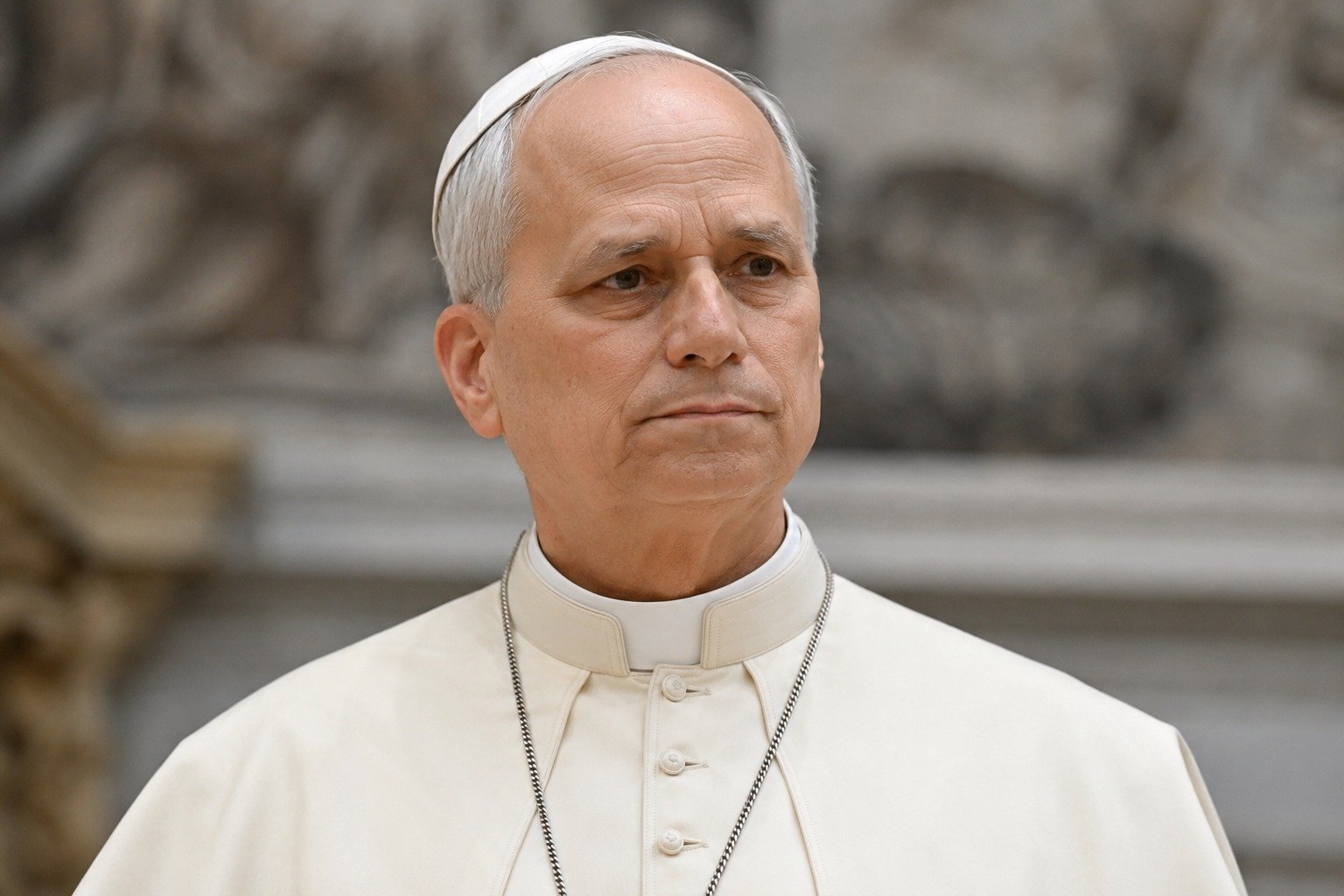
Pope Leo XIV made history on Sunday by issuing the first papal apology in the Catholic Church’s 2,000-year history for its role in legalizing the African slave trade. The admission, buried inside the pope’s debut encyclical, “Magnifica Humanitas,” was brief — but the weight of those words may be the most significant statement any pope has ever made.
Six Centuries of Silence
For nearly six centuries, the Catholic Church has faced a persistent question: what responsibility does the institution bear for the papal bulls that gave European sovereigns explicit legal authority to capture and enslave Africans?
In 1452, Pope Nicholas V issued “Dum Diversas” — a document granting Portugal’s King Alfonso V the right to “attack, conquer, and reduce to perpetual slavery” any non-Christian peoples. Similar papal edicts followed, providing the religious and legal framework that fueled the transatlantic slave trade for centuries. These documents were never formally rescinded. Until now, no sitting pope had ever directly acknowledged them by name — let alone apologized for them.
The Historic Encyclical
Pope Leo XIV — born Robert Francis Prevost in Chicago, Illinois — became the first American-born pope in history just weeks ago. His election itself was historic. His first encyclical has now made history of an entirely different kind.
“Magnifica Humanitas” (Magnificent Humanity) was released on May 25, 2026. At nearly 30,000 words, it is primarily focused on the moral and ethical challenges posed by artificial intelligence, data exploitation, and the digital revolution. But deep within the document, Leo turned to the history of slavery — framing it as a cautionary example of how technology and power, unchecked by moral conscience, can lead to the exploitation of human beings.
There, in language echoing a penitential prayer, he wrote: “For this, in the name of the church, I sincerely ask for pardon.”
Six words no pope had ever said before. Not John Paul II, despite his unprecedented record of institutional apologies for the Crusades, the Holocaust, and other historical wrongs. Not Benedict XVI. And not Francis — who repudiated the broader Doctrine of Discovery in 2023 but stopped short of directly acknowledging the original papal bulls that authorized slavery.
A Personal Connection to History
Leo did not stop at the apology. He called the Church’s historical record on slavery “a wound in Christian memory” that had never been properly addressed. His personal connection to the history he was acknowledging is striking: his family tree includes both enslaved people and slave owners — a lineage he has been aware of since childhood, long before ascending to the papacy.
That the first American-born pope carries this ancestry — and chose his debut encyclical to confront it publicly — is a detail that will not be lost on historians or on the millions of Catholics whose families were shaped by the same history.
Praise, Caution, and Unanswered Questions
The encyclical stopped short of formally rescinding the original 1452 papal bulls — a move that historians and Catholic scholars say would carry the most significant symbolic weight. The Vatican’s 2023 repudiation of the Doctrine of Discovery did not rescind the original bulls either. Whether Leo intends to take that final step remains an open question.
Catholic scholars and human rights advocates responded with cautious praise. For African and African-descended Catholic communities around the world, the apology represents an acknowledgment they have sought for generations. But many note that institutional reconciliation requires more than words — formal rescission of the original bulls, and structural investment in communities still bearing the generational wounds of slavery, are the measures by which the Church’s sincerity will ultimately be judged.
What This Means for American Catholics
The United States is home to roughly 70 million Catholics. For many of them — particularly Black Catholics whose ancestors were enslaved under the very framework these papal bulls enabled — Pope Leo XIV’s words carry profound personal and communal significance. The first American pope acknowledging and apologizing for this history from the Chair of St. Peter is a moment unlike anything in the American Catholic experience.
Stay informed on the stories that matter most. Follow Your Daily Updates on Facebook and bookmark yourdailyupdates.news for breaking news and analysis.