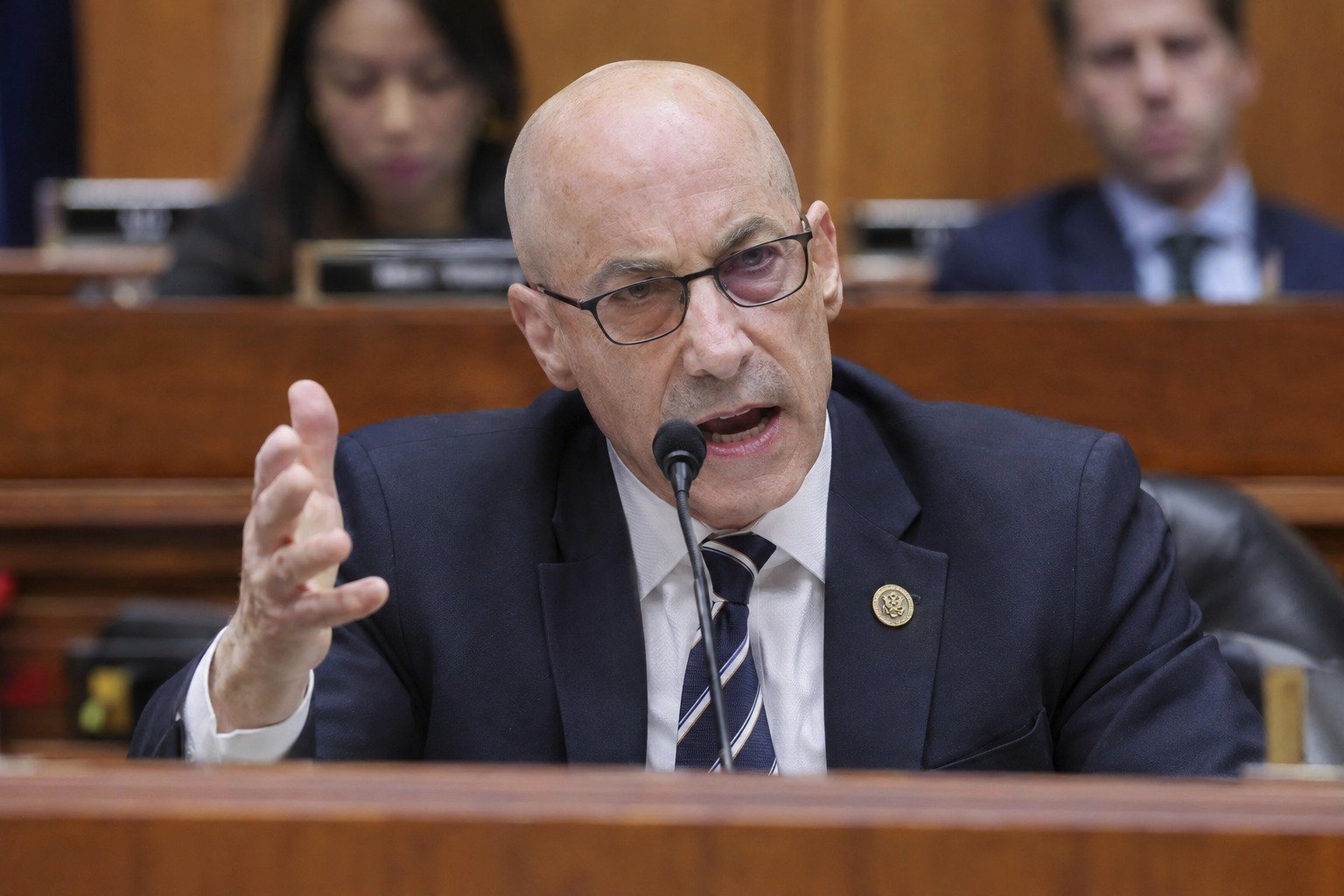
Rep. Jamie Raskin of Maryland, the incoming chair of the House Judiciary Committee, has formally warned the Trump administration not to delete a single government record. On Thursday, November 19, Raskin sent preservation letters to the Justice Department, the FBI, the Department of Homeland Security, Immigration and Customs Enforcement and the Bureau of Prisons, demanding that officials keep every document, message and file tied to their work.
A Signal Chat Set to Disappear
At the heart of Raskin’s letters is a Signal chat between FBI General Counsel Samuel Ramer and an associate of Donald Trump Jr. According to Raskin, the conversation was set to auto-delete after one week. The chat reportedly concerned an investigation of a person wanted on health-care fraud charges.
Disappearing-message settings on encrypted apps like Signal have become a flashpoint in Washington. When officials conduct government business on channels designed to erase themselves, the public record of how decisions were made can vanish with them. That is exactly the concern Raskin is raising.
Raskin: “It Is a Felony”
Raskin did not mince words. “It is a felony to unlawfully conceal, remove, alter, or destroy federal records, as Mr. Ramer appears to have done here,” he wrote. He went further, alleging “widespread destruction, mutilation, and concealment of government records” across the administration.
Raskin also said the FBI’s top lawyer should make sure all 35,000 FBI employees preserve their records. It is a sweeping demand, and it signals that Democrats intend to make record-keeping a central focus of their oversight once they take control of House committees.
It is important to be clear about where things stand. The destruction of records is an allegation from Democrats, not a finding by any court or investigator. No one has been charged. Raskin’s letters are a warning and a demand to preserve evidence, and Democrats will not have subpoena power until January.
The White House Fires Back
The administration is not backing down. White House Counsel Will Scharf told Democratic committee leaders that officials do not have to comply with their preservation requests because Democrats do not yet chair any committees. Scharf described the purpose of the requests as “not legitimate oversight but to harass and aggrandize.”
A White House official offered a separate defense: “we comply with all federal record retention laws and regulations.” And in an unusual twist, U.S. Attorney Aaron Reitz sent Raskin a preservation letter of his own on November 19, accusing the congressman of weaponizing the probe.
Raskin Is Not Alone
Raskin’s move came one day after Rep. Robert Garcia sent 12 preservation letters of his own on November 18. Garcia’s letters went to figures including Vice President JD Vance, Donald Trump Jr., Eric Trump, Jared Kushner, Stephen Miller, Todd Blanche and Kristi Noem. “This is just the beginning,” Garcia said.
Taken together, the letters amount to an early, coordinated effort by House Democrats to lock down the paper trail before the new Congress begins. Preservation letters do not compel anyone to testify or hand over documents, but they put officials on notice that destroying records from this point forward could carry consequences.
What This Means for Americans
Government records do not belong to the officials who create them. They belong to the public. They are how voters, courts and Congress find out what was done in the public’s name and who is responsible. When officials use disappearing messages to discuss official business, they risk erasing that accountability before anyone has a chance to ask questions. Whatever the outcome of this fight, the core question is simple: should the people running federal law enforcement be able to make their own conversations disappear?
Stay informed on the stories that matter most. Follow Your Daily Updates on Facebook and bookmark yourdailyupdates.news for breaking news and analysis.