President Donald Trump is escalating his rhetoric against Iran, even as officials inside his own administration tell the public there is no credible threat to the homeland. The gap between what the president is saying and what his own team is saying is hard to miss.
What the Intelligence Report Said
On Monday, November 16, CNN reported in an exclusive that U.S. intelligence indicates Iran has been developing potential plans to target senior Trump administration officials in Washington with a dirty bomb or a chemical weapon. Fox News, The Hill and People later carried the story as well.
The details matter. According to the sources who described the intelligence, these are options Tehran has been developing, not evidence of an imminent attack. U.S. officials are also divided on whether Iran could, or would, actually carry them out. No attack has been described as planned for a specific date, and nothing in the reporting says any plot was stopped or foiled.
Trump’s Response in Manila
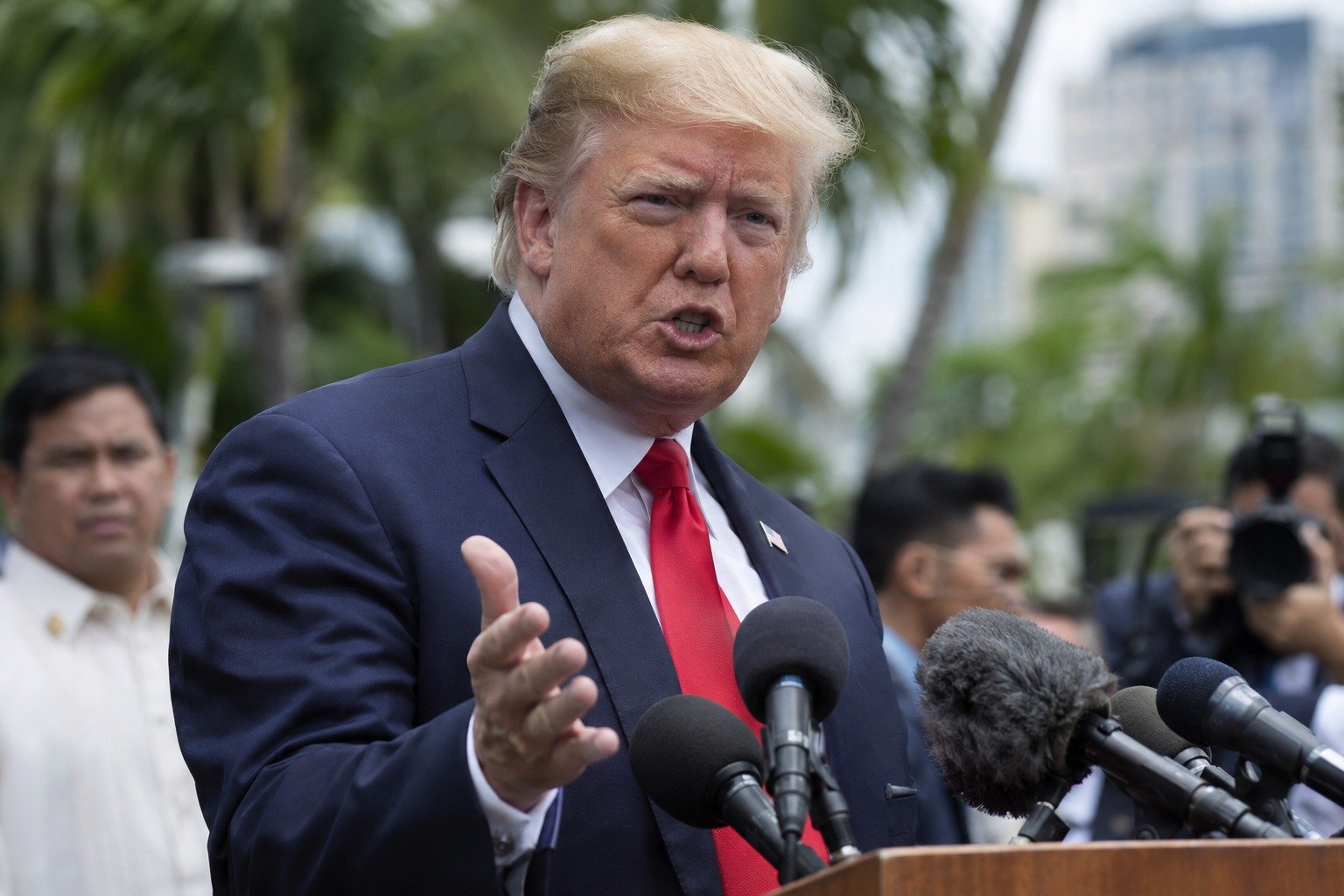
Asked about the report in Manila on Tuesday, November 17, the president first said, “We’re looking into it.” He then went much further, warning that if there is such a plot, Iran “will pay a price the likes of which no country has ever paid before.” He added: “we take it very seriously because they happen to be crazy.”
It was a sweeping threat from a commander in chief whose country is already at war. The U.S.-Israel war with Iran began in late February 2026, and it has now stretched on for roughly nine months.
His Own Officials Struck a Very Different Tone
While the president promised unprecedented punishment, the people responsible for protecting the country downplayed the alarm.
White House spokesperson Lauren Bis said that “there are no credible threats to the homeland.” Homeland Security Secretary Markwayne Mullin described the plot as “aspirational” and said the threat is not new.
A senior U.S. official went further in comments to Fox News. “I’m not sure why this was leaked because it’s not new,” the official said, adding that “Iran is very aspirational, but not suicidal.”
At the same time, the threat environment has had real-world consequences. CNN reported that the Secret Service moved Treasury Secretary Scott Bessent into housing on a military base because of Iranian threats.
Iran, for its part, rejected the reporting entirely. Foreign Ministry spokesman Esmaeil Baqaei called the allegations “baseless.”
Why the Mixed Messages Matter
Taken together, the administration’s message is muddled. The White House says there is no credible threat. The Homeland Security secretary says the plot is aspirational and not new. A senior official questions why the information was leaked at all. And yet the president answered the same intelligence with a promise of retaliation on a scale “no country has ever paid before.”
That matters because words from the president carry weight, especially in wartime. Threats of overwhelming retaliation can raise tensions, shape how adversaries respond, and make it harder to find a path toward ending a conflict. When the officials closest to the intelligence are describing the threat as old and unlikely to be carried out, Americans are right to ask why the rhetoric from the top is moving in the opposite direction.
None of this means the threat should be ignored. Intelligence agencies track adversaries’ options precisely so that they can be prepared for them, and the decision to move a cabinet secretary to more secure housing shows the government is taking precautions. But there is a difference between taking a threat seriously and using it to escalate a war that has already lasted the better part of a year.
What Comes Next
The key questions now are about accountability and direction. Who decided this intelligence was significant enough to discuss publicly, and why now? If, as the president’s own team says, there are no credible threats to the homeland, what is the purpose of threatening Iran with unprecedented punishment? And after nine months of war, what is the administration’s plan to bring it to an end?
Americans deserve clear and consistent answers from their government, especially when the stakes are this high. Mixed messages from the White House do not make the country safer.
Is the president’s warning a responsible response to a real threat, or more escalation in a war so many Americans want to see ended? Tell us what you think.