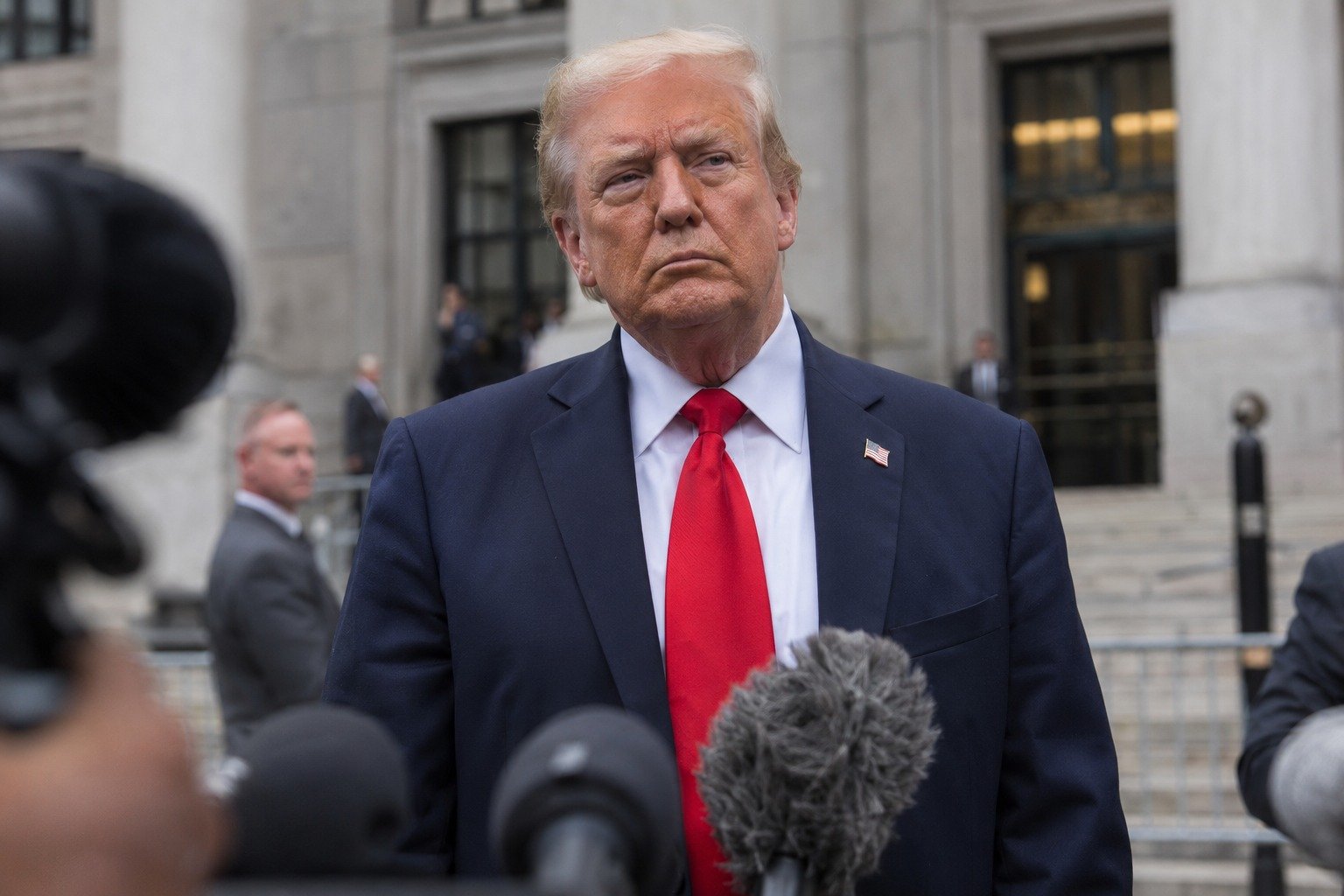
Donald Trump now has a firm deadline to answer questions under oath in the $10 billion defamation lawsuit he filed against the BBC. On Nov. 17, U.S. District Judge Jeffrey Kuntz in Fort Lauderdale, Florida, extended Trump’s deposition deadline from Dec. 11 to Jan. 22, according to Reuters.
The new date did not come out of nowhere. The BBC accepted an offer from Trump to be deposed sometime between Jan. 11 and Jan. 22, and the judge adjusted the schedule to match. Bloomberg Law summed it up plainly: Trump has agreed to sit for a deposition by Jan. 22.
What the Lawsuit Is About
Trump is seeking $10 billion from the British broadcaster. His lawsuit alleges that the BBC maliciously edited his Jan. 6, 2021 speech so that it appeared he urged his supporters to storm the U.S. Capitol.
The BBC has not denied that something went wrong with the clip. The network has admitted the edit was misleading and has apologized for it. But it draws a sharp line between an editing error and defamation, and it denies that it defamed Trump. That distinction is now at the center of a federal court case that is headed toward trial.
A Fight Over Delay
The deposition schedule has become its own flashpoint. The BBC has accused Trump of delaying the case he himself brought. In an earlier filing, BBC attorney Charles Tobin put the frustration in simple terms: “we still haven’t been able to depose the plaintiff.”
Trump’s legal team rejects that characterization. His lawyers deny that he has been stalling, and they point to his official duties and his security needs as reasons scheduling has been complicated. The Jan. 11 to Jan. 22 window was Trump’s own offer, and the BBC accepted it.
As of now, Trump has not been deposed. No testimony has been given, and the new deadline simply sets the outer limit for when that questioning must happen.
Where the Case Stands
The lawsuit has already survived a major test. On Nov. 10, Judge Kuntz rejected the BBC’s motion to dismiss the case, allowing Trump’s core claims to move forward. At the same time, the judge threw out one piece of the suit: Trump’s claim under unfair-trade-practices law.
The calendar from here is tight. Discovery, the phase where each side gathers evidence and takes testimony, closes on Jan. 29, just one week after Trump’s deposition deadline. Both sides must be ready for trial by May 3.
That timeline means the deposition is not a side issue. Whatever Trump says under oath in January will feed directly into the evidence both sides bring to trial in the spring.
Why It Matters
This case sits at the intersection of two things that matter to every American: accountability for powerful people and the freedom of the press. A sitting president is using the courts to seek $10 billion from a news organization over how it edited his words. The news organization admits the edit was misleading but says that does not make it defamation.
Courts exist to sort out exactly that kind of dispute, and they do it through a process that applies to everyone. Plaintiffs who file lawsuits are expected to answer questions about their claims. The BBC says it has been waiting for that chance. Trump’s lawyers say his duties as president make scheduling harder. The judge has now set a date.
What This Means for Americans
For ordinary people, the rules of civil litigation are not optional. If you sue someone, you sit for a deposition when the court says so. How this case handles a plaintiff who also happens to be the president will say a lot about whether those rules bend for the powerful. The Jan. 22 deadline is the next test, and the May 3 trial-readiness date is the one after that.
Stay informed on the stories that matter most. Follow Your Daily Updates on Facebook and bookmark yourdailyupdates.news for breaking news and analysis.