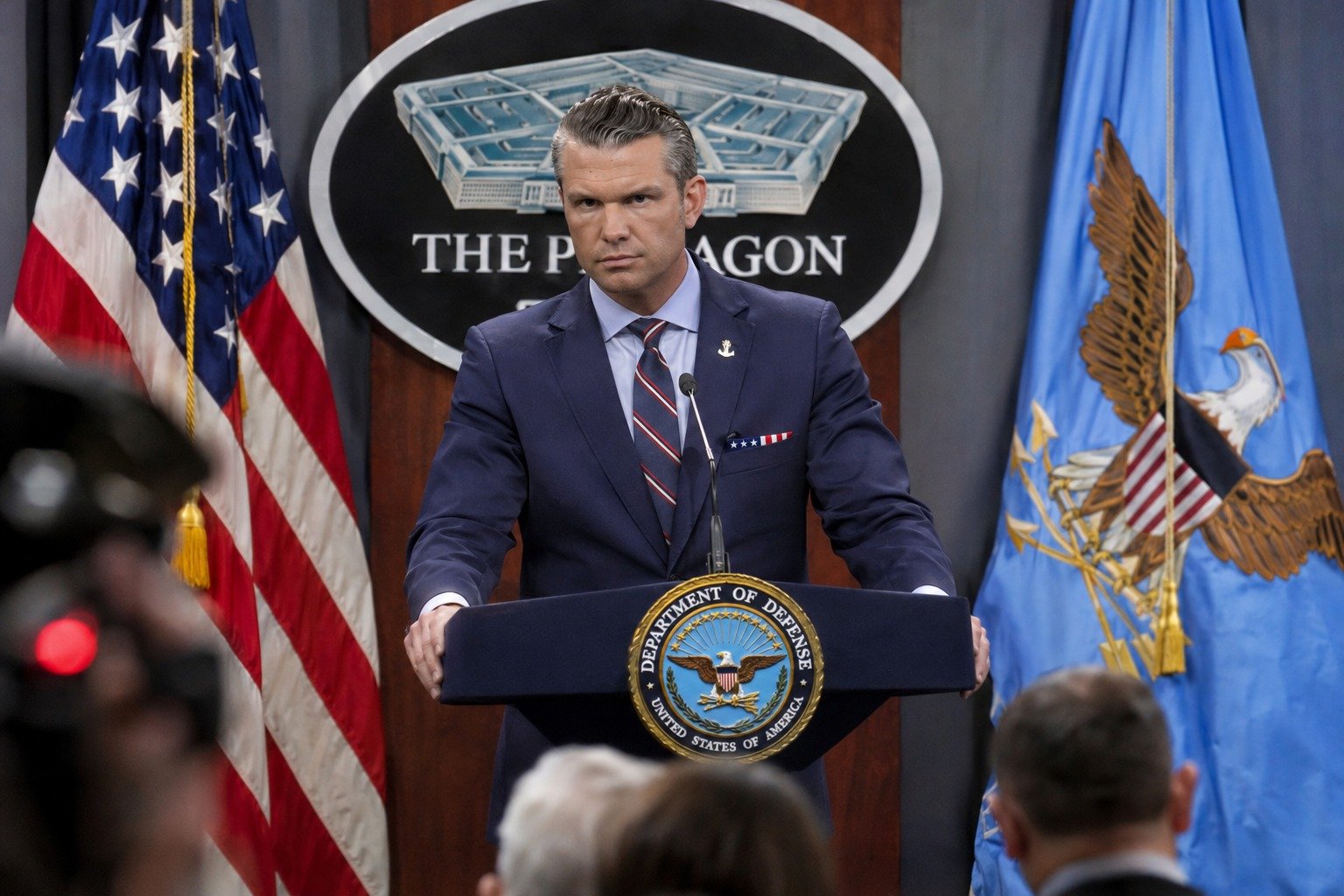
A divided federal appeals court has refused to let the Pentagon move ahead with discharging a group of transgender service members who sued to keep their jobs. On Tuesday, Nov. 17, a three-judge panel of the U.S. Court of Appeals for the D.C. Circuit voted 2–1 to deny the Trump administration’s request to put the court’s June 1 ruling on hold while the government asks the Supreme Court to step in.
The result: the Defense Department remains blocked from discharging the plaintiffs in the case — more than two dozen transgender troops. Their attorneys put the number at 27.
Why This Ruling Matters
The administration has pushed to remove transgender people from the armed forces, and the Supreme Court previously allowed that ban to be enforced while legal challenges continue. That backdrop makes this week’s order notable. It does not overturn the policy, but it draws a line around the specific service members who took the government to court.
These are people who enlisted, trained and served, and who want to keep serving. For them, the difference between a stay and no stay is the difference between keeping a career in uniform and being pushed out while the legal fight drags on.
What the Judges Said
Judge Robert Wilkins, an appointee of President Barack Obama, wrote the decision. He concluded that the government had not shown it would suffer irreparable harm if the plaintiffs stayed in the military while the case continues, and that it had not shown a risk to national security. Addressing the government’s arguments, Wilkins wrote: “I am also unpersuaded.”
Judge Judith Rogers, an appointee of President Bill Clinton, partially joined Wilkins’ opinion. Judge Justin Walker, appointed by President Donald Trump, disagreed and favored granting the administration’s request for a stay.
A stay is a pause. Had the panel granted it, the Pentagon could have moved forward with discharges while it petitioned the Supreme Court. By denying it, the court kept its earlier protection for the plaintiffs in place.
Reaction
Shannon Minter of the National Center for Lesbian Rights, which represents the service members, put it plainly: “Today, the D.C. Circuit said no.”
Defense Secretary Pete Hegseth’s office declined to comment on the ruling.
What This Ruling Does — and Doesn’t — Do
It is important to be precise about the scope. The ban on transgender military service has not been struck down nationwide. This order protects the plaintiffs in this case only. It does not allow new transgender recruits to enlist. And because the Supreme Court previously allowed the ban to be enforced, the administration can still take this dispute to the justices and ask them to intervene.
That means the fight is far from over. But for now, a federal appeals court has said the government did not make its case for pushing these 27 service members out while the legal process plays out.
What This Means for Americans
At its core, this case is about whether people who volunteered to defend the country can be removed because of who they are, without the government first proving that keeping them would cause real harm. The panel majority found that the government had not shown that harm. The ruling is a reminder that courts still expect the government to justify policies that single out a group of Americans, especially those who have already taken an oath to serve.
The next move belongs to the administration and, potentially, the Supreme Court. Until then, these troops keep their uniforms.
Stay informed on the stories that matter most. Follow Your Daily Updates on Facebook and bookmark yourdailyupdates.news for breaking news and analysis.