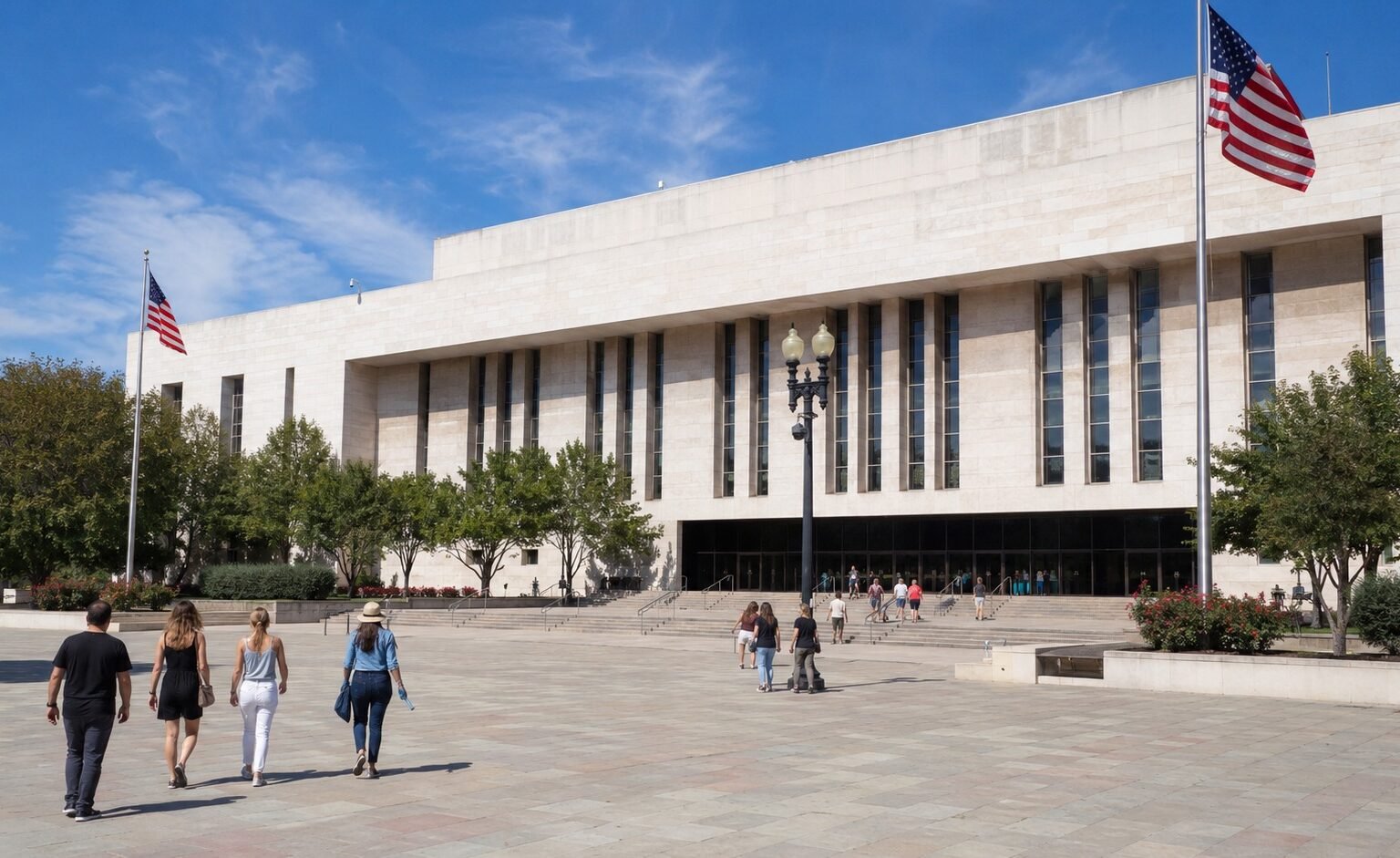
The White House has released a sweeping 162-page report accusing the Smithsonian Institution of “extreme political activism” and of presenting what it calls “a radical view of American history.” The document, titled “Saving America’s Story,” was published on Saturday and singles out the National Museum of American History by name.
The report is the product of an executive order President Trump signed in March 2025, which directed a broad review of how the nation’s museums present the American story. That review has now landed – and its conclusions read less like a scholarly assessment and more like a warning shot aimed at the historians and curators who shape what millions of visitors see.
Why the Smithsonian Matters
The Smithsonian is not just any museum. It is the largest museum, education, and research complex in the world, holding the artifacts that tell the story of the country – from the flag that inspired the national anthem to the lunch counter where civil rights activists staged sit-ins. Its exhibits are visited by tens of millions of people every year, many of them schoolchildren and families trying to understand where the nation came from.
Because it is partially funded by the federal government, the Smithsonian has always occupied a delicate space: publicly supported, but independent in its scholarship. That independence is exactly what the new report puts in the crosshairs.
What the Report Says
The document accuses the institution of “extreme political activism” and charges that its exhibits amount to “a radical view of American history.” It reserves particular criticism for the National Museum of American History, the flagship museum devoted to the country’s political, cultural, and social past.
The framing is significant. By grading a museum on whether its history is “radical,” the administration is not simply offering a critique – it is asserting that the federal government should have a say in how the nation’s past is presented to the public. That is a striking claim about an institution that has long prided itself on staying above partisan politics.
The Smithsonian Pushes Back
The Smithsonian responded that it remains committed to “nonpartisan and independent scholarship” – the principle that has guided its work for generations. In other words, the people who decide what goes on the walls are historians and curators, not the sitting president.
That response cuts to the heart of the dispute. The question is no longer just whether a particular exhibit is fair or complete. It is whether the government can pressure an independent institution to tell the story the way those in power prefer.
What This Means for Americans
For ordinary Americans, the fight over the Smithsonian is bigger than one report. It is about who gets to decide how the country remembers itself. When a government starts labeling history it dislikes as “radical,” the line between preserving the past and rewriting it grows very thin – and the people who lose that fight are the students, families, and citizens who rely on museums for an honest account of where the nation has been.
Stay informed on the stories that matter most. Follow Your Daily Updates on Facebook and bookmark yourdailyupdates.news for breaking news and analysis.