A planned Immigration and Customs Enforcement detention facility that would have dwarfed the Georgia town it was set to be built in is now dead. The Department of Homeland Security has abandoned its plan to convert a warehouse in Social Circle, Georgia, into an ICE detention center designed to hold as many as 10,000 detainees. Social Circle is home to roughly 5,000 people. The reversal was reported on June 18 and 19 by outlets including CNN, Georgia Public Broadcasting, and CBS Atlanta.
The numbers alone tell the story of just how big this project would have been. A facility built to hold up to 10,000 people would have housed twice the population of the entire town around it. For a small Georgia community, the proposal raised immediate and serious questions about infrastructure, public safety, water and sewer capacity, and the character of the place residents call home.
A Months-Long Pressure Campaign
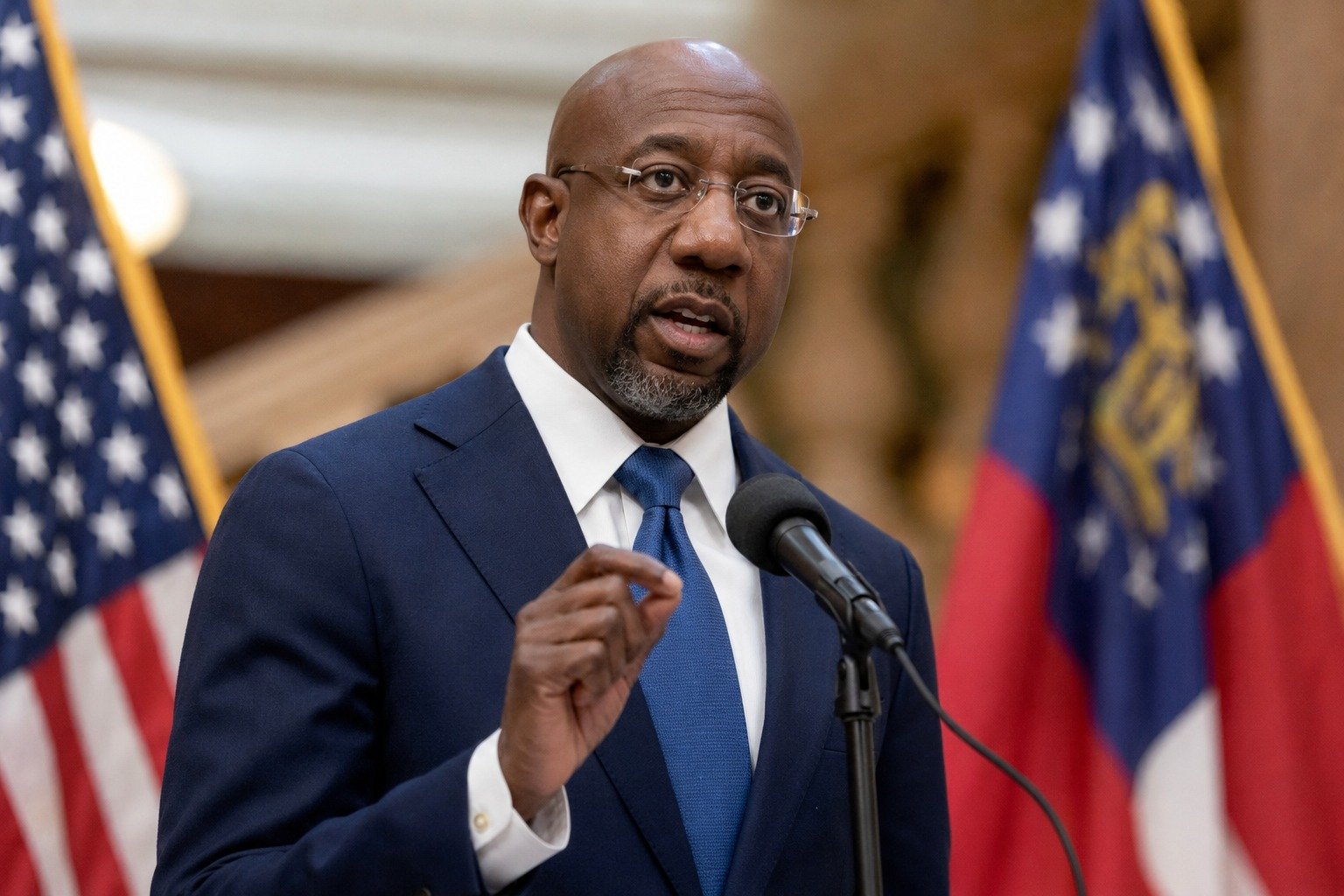
The decision did not happen on its own. Sen. Raphael Warnock helped lead a sustained pressure campaign against the project, working alongside fellow Georgia Sen. Jon Ossoff. Over a period of months, the two senators pushed back on multiple fronts. Warnock visited the city in person, sent letters demanding answers from federal officials, and pursued legislative efforts aimed at blocking the conversion.
That kind of persistent, public pressure from a sitting U.S. senator can be difficult for a federal agency to ignore. By keeping the spotlight on the plan and forcing officials to respond, Warnock and Ossoff helped ensure the project never quietly moved forward without scrutiny.
A Win Shared by an Entire Community
But the credit does not belong to any one person. Stopping the facility was a collective effort. Local city leaders pushed back. Residents turned out to public meetings to voice their opposition. And a city lawsuit added legal weight to the resistance, raising the stakes for anyone trying to push the project through.
Together, those efforts forced the plan off the table. It is a reminder that when elected officials, local governments, and ordinary residents pull in the same direction, even a massive federal proposal can be stopped. This was not one senator single-handedly killing a project. It was a community refusing to be steamrolled, with state and federal allies amplifying its voice.
Why This Matters
The Social Circle fight is part of a much larger national conversation about where and how immigration detention facilities are built. As the federal government looks to expand detention capacity, small towns across the country can find themselves suddenly targeted for enormous facilities they had no say in choosing. The scale of the Social Circle proposal – a 10,000-bed center in a town of 5,000 – shows just how dramatically these plans can reshape a community.
For residents of Social Circle, the outcome means their town will not be transformed overnight into the site of one of the largest detention centers in the region. For everyone else, it raises an urgent question: how many other small towns are being eyed for facilities like this one, and who is watching out for them?
The answer, at least in this case, was a coalition that refused to stay quiet. Accountability worked because people demanded it – in council chambers, in courtrooms, and in the halls of the U.S. Senate.
Stay informed on the stories that matter most. Follow Your Daily Updates on Facebook and bookmark yourdailyupdates.news for breaking news and analysis.