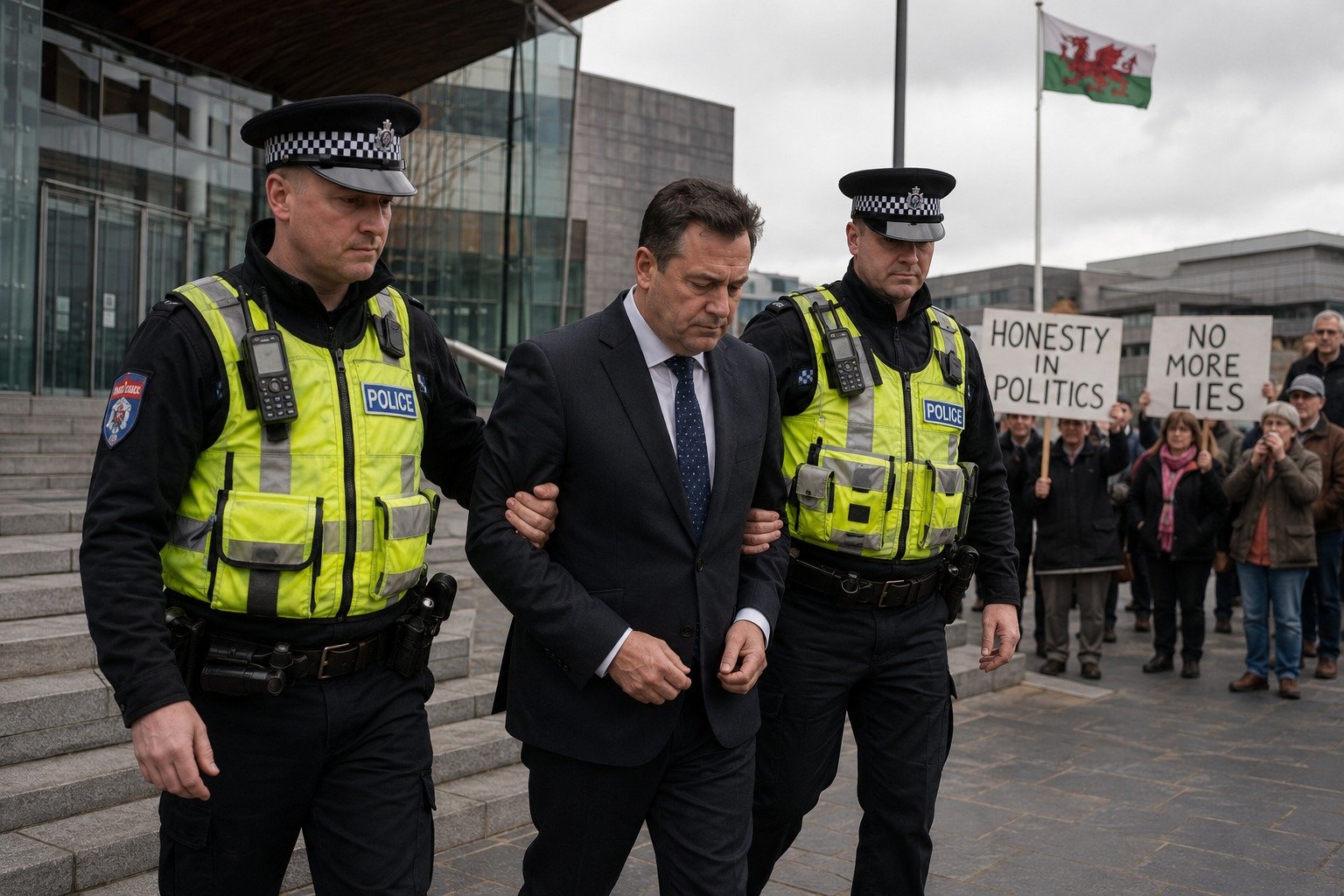
Wales is on course to do something no country has ever done: make it an actual crime for politicians to deliberately lie to voters during election campaigns. The measure, advancing through the Senedd in Cardiff, would create a brand-new electoral offense aimed squarely at candidates who knowingly deceive the public to win power.
It is important to be precise about where this stands. This is a proposal still working its way through the Senedd’s amendment process. It is not yet law, and the new offense would not be expected to take full effect until around 2030. But the direction of travel is unmistakable, and it would put Wales at the front of a global debate over honesty in government.
What the proposed law actually covers
Despite some breathless framing online, this is not a blanket rule that lets voters “fire” any politician for any lie. The proposal is narrowly drawn. It targets deliberately deceptive statements made by candidates during election campaigns, with the intent to mislead voters and change the outcome of an election.
In other words, it is about deception of the electorate at the ballot box, not every exaggeration or broken promise made once someone is in office. The principle behind it is simple: a candidate who wins an election by knowingly lying to the public should face real legal consequences, not just an awkward news cycle.
Why this matters
For decades, the public has been told that politicians shading the truth is simply “part of the game.” Trust in elected officials has eroded across the democratic world, and surveys routinely show large majorities believe their representatives are dishonest. Wales is testing whether that cynicism has to be permanent, or whether honesty during campaigns can be written into law and enforced.
The Senedd’s standards work has identified deliberate deception by politicians as a serious threat to democratic trust. Supporters of the change argue that if lying to win votes carries no penalty, there is little incentive for candidates to be straight with the people they want to represent.
The debate ahead
The proposal is not without serious questions. Critics warn about who decides what counts as a “lie,” how intent would be proven, and whether such a rule could be weaponized by one party against another. Drawing a clean legal line between a deliberate falsehood and a genuine political disagreement is hard, and lawmakers are still working through exactly how the offense would be defined and adjudicated.
Those are real concerns, and they are precisely why the measure is still in the amendment stage rather than already on the books. Getting the safeguards right matters as much as the principle itself.
What this means for everyday voters
If it succeeds, Wales would set a precedent the rest of the world will watch closely. Ordinary voters are the ones who pay the price when they are deceived into casting a ballot based on false claims. A law that treats deliberate campaign deception as a punishable offense reframes that harm as something the public should not simply have to accept. Whether it can be enforced fairly is the open question, but the underlying message from a government willing to even propose it is striking: deceiving voters should not be consequence-free.
Stay informed on the stories that matter most. Follow Your Daily Updates on Facebook and bookmark yourdailyupdates.news for breaking news and analysis.