Virginia is finally setting up the legal marijuana stores it has gone without for five years. Under a compromise folded into the new state budget – which has now become law – the commonwealth will license up to 350 retail cannabis establishments, with legal recreational sales set to begin on July 1, 2027.
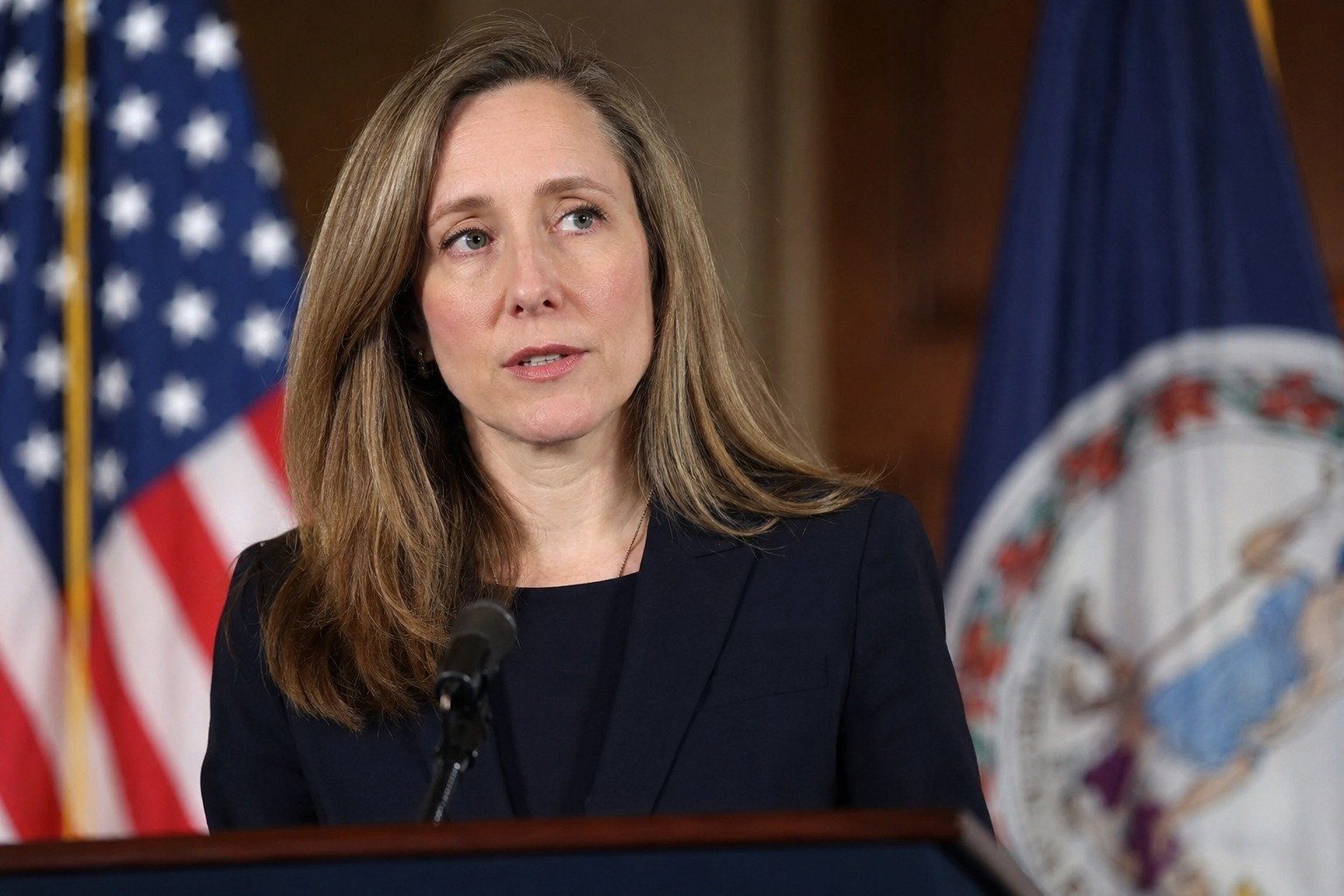
The road to this point was anything but smooth. Gov. Abigail Spanberger vetoed the standalone retail cannabis bill that lawmakers sent her in May 2026, saying the framework needed more work before she would sign it. Rather than let the effort collapse, the governor and legislators negotiated a compromise and rolled the retail market into the state budget – with her amendments accepted. That budget passed and became law in June.
Why This Matters After Five Years
Recreational possession and use of marijuana have been legal in Virginia since July 2021. But there has never been a legal place to actually buy it. That gap left adults who could legally possess cannabis with no regulated, tested, above-board way to purchase it – and it handed the market to an unregulated gray market operating with no oversight, no product testing, and no tax revenue for the state.
The new law closes that gap. It builds a taxed, regulated retail system with licensing, safety standards, and state supervision. For the first time, Virginians will be able to walk into a licensed store and buy a product that has been tested and tracked – the same basic consumer protection long available in states like Colorado, California, and neighboring Maryland.
What the New Law Actually Does
The framework authorizes up to 350 retail cannabis establishment licenses across the state. It also raises the personal possession limit from one ounce to two ounces, giving adults more room before running afoul of the law.
On taxes, the state will start with a 6 percent tax rate on cannabis products as it stands up the regulated market. After July 1, 2029, that rate rises to 8 percent. The two-year runway before sales begin in July 2027 is designed to give regulators time to write the rules, establish testing and safety standards, and build the oversight system before the first legal storefront opens its doors.
Notably, the compromise also directs funding toward small and equity-owned businesses – an attempt to make sure the new market is not simply swallowed by large, well-capitalized operators before local entrepreneurs get a foot in the door.
Reactions and the Debate Ahead
Supporters are framing the law as a long-overdue win for consumer safety, tax fairness, and small business owners who have waited years for a legal path into the industry. They argue that a regulated market is far safer than the untested products circulating in the gray market today.
Critics counter that a 2027 launch is too long to wait. Every month without legal stores, they argue, is another month the unregulated market keeps running – untaxed and untested – while the state leaves both revenue and consumer safety on the table.
What This Means for Virginians
For the roughly 8.7 million people who live in Virginia, the change is concrete: within the next two years, legal, tested cannabis will be sold in licensed stores, adults can carry up to two ounces, and the money spent will be taxed and tracked rather than flowing into an underground economy. The equity provisions could also open real business opportunities for local owners who have historically been shut out of the industry. The clock is now ticking toward July 1, 2027.
Stay informed on the stories that matter most. Follow Your Daily Updates on Facebook and bookmark yourdailyupdates.news for breaking news and analysis.