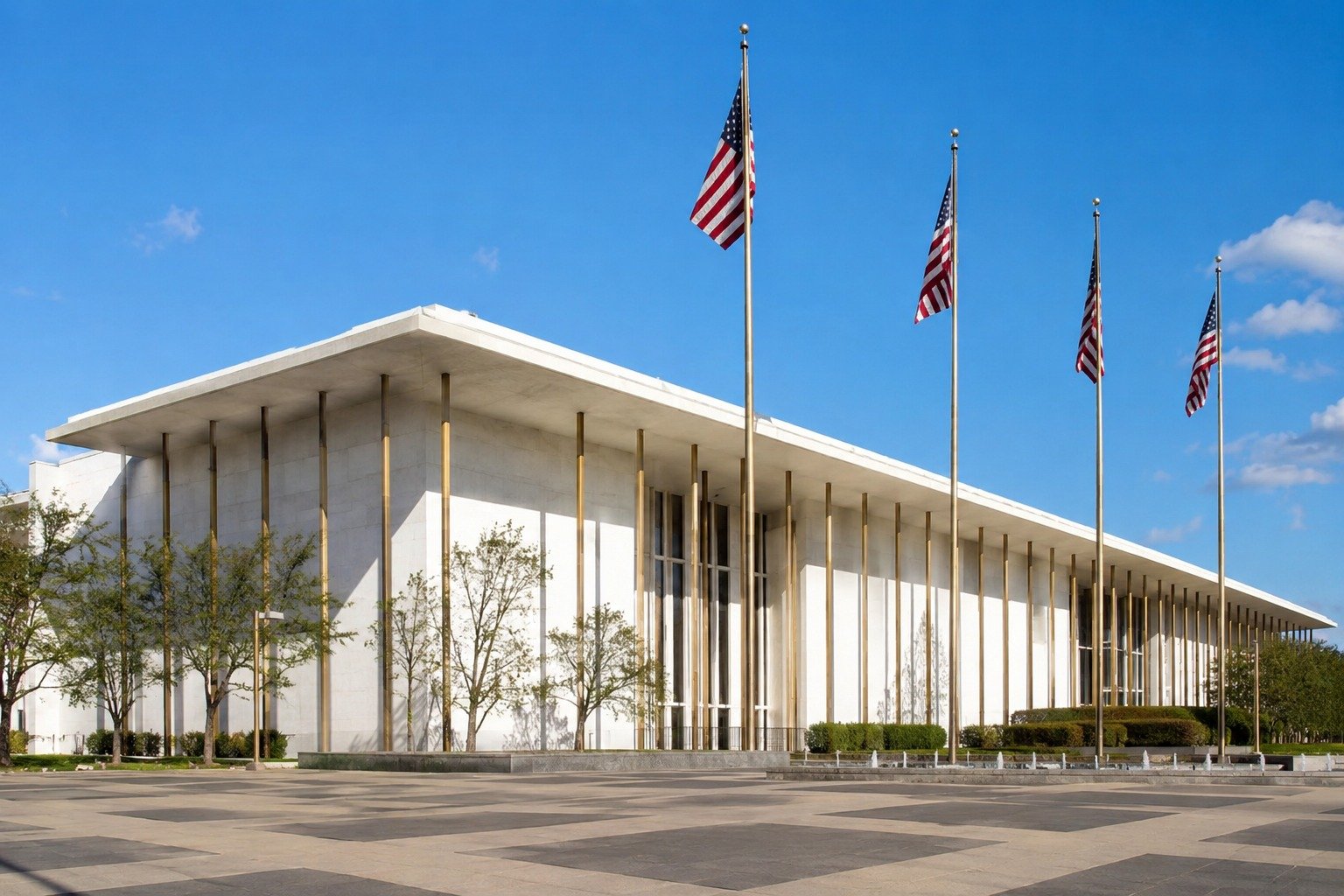
A federal judge has ordered President Donald Trump’s name removed from the John F. Kennedy Center for the Performing Arts, ruling that the Trump-appointed board never had the legal authority to rename the national arts institution after him.
U.S. District Judge Christopher Cooper issued the order on May 29, 2026, giving the center two weeks to strip Trump’s name from its facade and signage. The decision reverses a controversial move made months earlier and reignites a national debate over whose name belongs on the country’s public buildings and monuments.
How the Kennedy Center Became the “Trump Kennedy Center”
In December 2025, the Kennedy Center’s board of trustees – reshaped by Trump appointees – voted to rename the institution the “Trump Kennedy Center.” The vote placed the president’s name on a building that Congress had dedicated to John F. Kennedy, the 35th president, in the years following his assassination.
The renaming drew immediate backlash. Critics argued the board had bypassed Congress entirely, treating a federally chartered cultural institution as something that could be rebranded by a handful of political appointees. Supporters of the move framed it as the board exercising its governance authority over the center’s identity.
What the Judge Ruled
Judge Cooper’s ruling was blunt. The Kennedy Center’s charter, he found, makes clear the institution is named for President Kennedy and cannot bear another formal name based on a unilateral decision by its board. The power to name – or rename – the center rests with Congress alone.
“Congress gave the Kennedy Center its name, and only Congress can change it,” Cooper wrote. He ordered the lettering on the building’s facade and other signage taken down within two weeks, finding the board acted outside its authority when it approved the new name.
The lawsuit that produced the ruling was brought by Rep. Joyce Beatty, an Ohio Democrat who serves as an ex officio member of the center’s board. In addition to ordering the name removed, Cooper temporarily blocked a plan to close the center for an extended renovation and ordered Beatty’s voting rights as a trustee restored.
A Bigger Fight Over Public Landmarks
The Kennedy Center fight is really a piece of a much larger question. Across the country, there has been a growing push – and a growing resistance – around attaching the names of sitting political figures to publicly funded buildings, monuments, and institutions.
For many Americans, the principle is simple: public landmarks are paid for by everyone, and the decision to honor any one person with a name carved into stone should clear a high bar – typically an act of Congress or a state legislature, not the vote of a politically stacked board. Others argue presidents and leaders have long been honored this way and see nothing unusual about it.
What This Means for Americans
The ruling is a reminder that the institutions Americans pay for are governed by law, not by whoever currently holds power. When a board tried to rewrite the identity of a national landmark on its own, a court stepped in and said the rules still apply. For taxpayers, that is the accountability question at the heart of this story: who gets to decide what your public buildings are called?
Stay informed on the stories that matter most. Follow Your Daily Updates on Facebook and bookmark yourdailyupdates.news for breaking news and analysis.