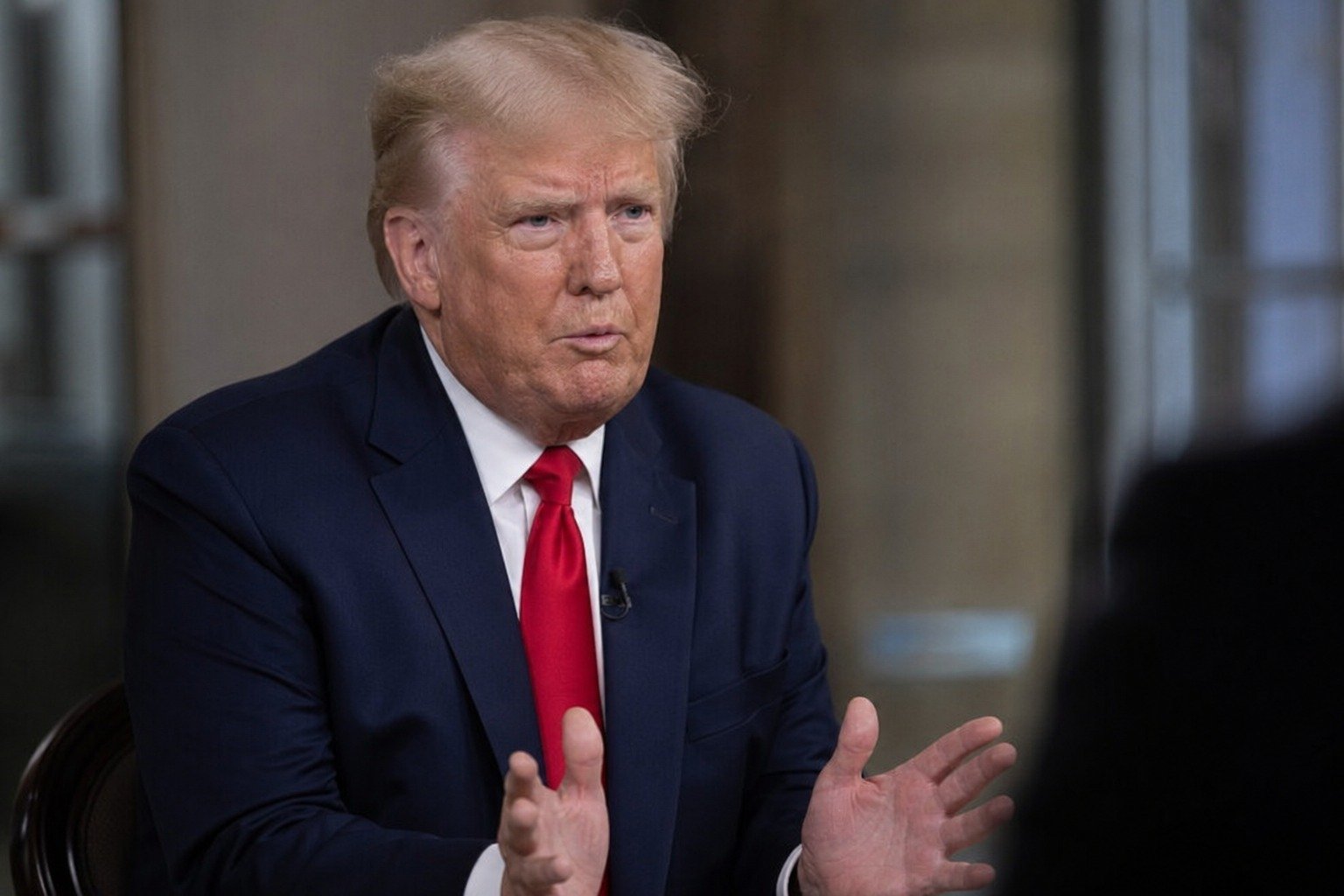
Donald Trump built his return to the White House on a promise he repeated at rally after rally: no new wars. This week, with American forces three months into a war with Iran, he sat down with NBC’s “Meet the Press” and told the country he never made that promise at all.
“First of all, I didn’t guarantee no war. Why would I have built the strongest military in the world?” Trump said in the interview, which aired Sunday. Pressed directly on whether the conflict with Iran contradicted the central refrain of his campaign, he was blunt: “I didn’t promise anything.”
A Promise He Made, Repeatedly
The problem with Trump’s new framing is the public record. Throughout the 2024 campaign, Trump cast his opponents as warmongers and positioned himself as the candidate who would end conflicts rather than start them. “No new wars” was not an offhand remark buried in a single speech. It was a line he returned to again and again, a centerpiece of how he sold his foreign policy to voters who were exhausted by years of overseas entanglements.
He told crowds he would usher in an era of peace. He contrasted himself with a Washington establishment he said was too eager to send American troops abroad. For millions of voters, that pledge was a genuine reason to support him. Now, with the war underway, the candidate who promised peace is telling them he promised no such thing.
The War He Says Doesn’t Count
The war with Iran began on February 28 and has now passed the 100-day mark. In the interview, Trump pushed back on the idea that it represents the kind of conflict he campaigned against. “I don’t like these endless wars,” he said. “This is not an endless war. We’ve been doing this for three months.”
It is a careful piece of redefinition. By drawing a line between “endless wars” and a war that has, so far, lasted three months, Trump leaves himself room to argue that the Iran conflict is something other than what voters were warned about. But “no new wars” was never qualified that way on the campaign trail. The promise, as voters heard it, was that there would be no new wars at all, not that new wars would be acceptable as long as they wrapped up quickly.
Accountability and the Shifting Story
The shift from an ironclad campaign pledge to “I didn’t promise anything” is the kind of reversal that erodes trust. When a leader rewrites the terms of a promise the moment that promise becomes inconvenient, it raises a question that goes well beyond Iran: what is the value of any commitment made to win an election?
Critics argue that voters deserve consistency between what candidates say to get elected and what they say once in power. For the families of service members now deployed, and for the Americans who took “no new wars” at face value, the rebrand is a hard one to accept. The promise was specific. The reversal is just as specific.
What This Means for Americans
Campaign promises are not just political theater. They are the basis on which people cast their votes, plan their lives, and decide whom to trust with the gravest decisions a government can make, including the decision to go to war. When that promise is quietly redefined after the fact, the cost is not only measured in credibility. It is measured in the public’s ability to hold its leaders to their word at all.
Stay informed on the stories that matter most. Follow Your Daily Updates on Facebook and bookmark yourdailyupdates.news for breaking news and analysis.