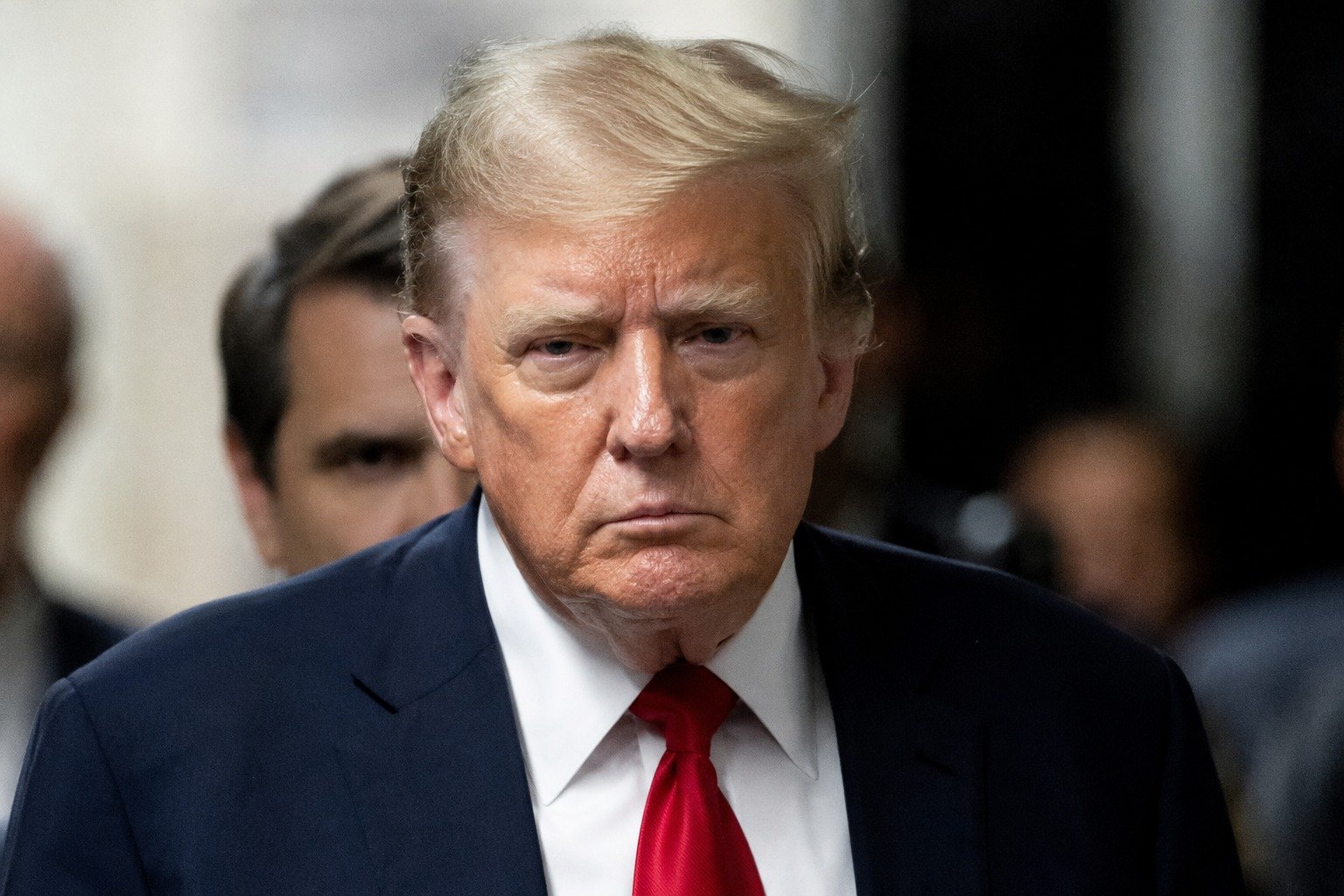
President Donald Trump is suing the BBC for $10 billion, claiming a British documentary defamed him and damaged his businesses. But when the broadcaster asked to see the financial records that would actually measure that damage, Trump’s lawyers refused to hand them over.
The refusal, raised by the BBC in a recent court filing, has turned a high-stakes defamation case into a revealing fight over evidence. And it raises an uncomfortable question: how do you sue someone for billions in business harm while shielding the very records that would show what your business is worth?
How the Lawsuit Started
The case dates back to a 2024 episode of the BBC’s flagship current-affairs program, Panorama. The documentary spliced together separate portions of Trump’s January 6, 2021 speech in a way Trump’s team argues created the false impression that he directly encouraged the crowd that later stormed the U.S. Capitol.
Trump filed his defamation suit in federal court in Florida, seeking at least $10 billion in damages. He argues the edit was not a sloppy mistake but a deliberate, malicious distortion — and that it caused real, quantifiable harm to his brand and his business interests. The case is significant enough that a two-week trial has been set in Miami for February.
The Discovery Fight
Here is where it gets complicated. To win billions for damage to his brand and businesses, Trump has to prove those businesses lost value. And to test that claim, the BBC’s lawyers say they need to see the numbers.
So the broadcaster subpoenaed the Donald J. Trump Revocable Trust — the legal entity that holds Trump’s business assets, managed by his eldest son, Donald Trump Jr., as trustee. The subpoena sought records on the trust’s holdings, properties, inventories, and overall value, the kind of documentation that would let a court actually put a figure on the alleged harm.
Trump’s legal team said no, calling the request “unreasonable” and “improper” and rejecting what they characterized as a fishing expedition. The BBC pushed back in a court filing, noting what it called the “flat refusal” by the trust — a third party represented by the same lawyers as Trump himself — to provide any financial information under subpoena. The broadcaster’s argument is straightforward: a plaintiff demanding $10 billion for harm to his business cannot also hide the records that would show what that business is actually worth.
Not a Ruling — Yet
It is worth being precise about what has and has not happened. No judge has ruled on the dispute. The lawsuit has not been dismissed or thrown out. This is a discovery fight — the often-invisible stage of litigation where each side battles over what evidence it must turn over before trial.
But discovery fights can be telling. Courts generally have limited patience for plaintiffs who want to claim enormous financial damages while refusing to open their books. If a judge sides with the BBC, Trump could be compelled to disclose detailed financial records he has spent years keeping private. If the judge sides with Trump, the BBC loses a key tool for challenging the damages figure at the heart of the case.
What This Means for Americans
For ordinary readers, the case is a window into how accountability works — or stalls — when a powerful figure goes to court. The same rules of evidence that apply to any litigant are now being tested by a sitting president demanding one of the largest defamation payouts ever sought. Whether those rules bend or hold will say something about how the legal system treats claims of harm when the person making them controls the proof.
Stay informed on the stories that matter most. Follow Your Daily Updates on Facebook and bookmark yourdailyupdates.news for breaking news and analysis.