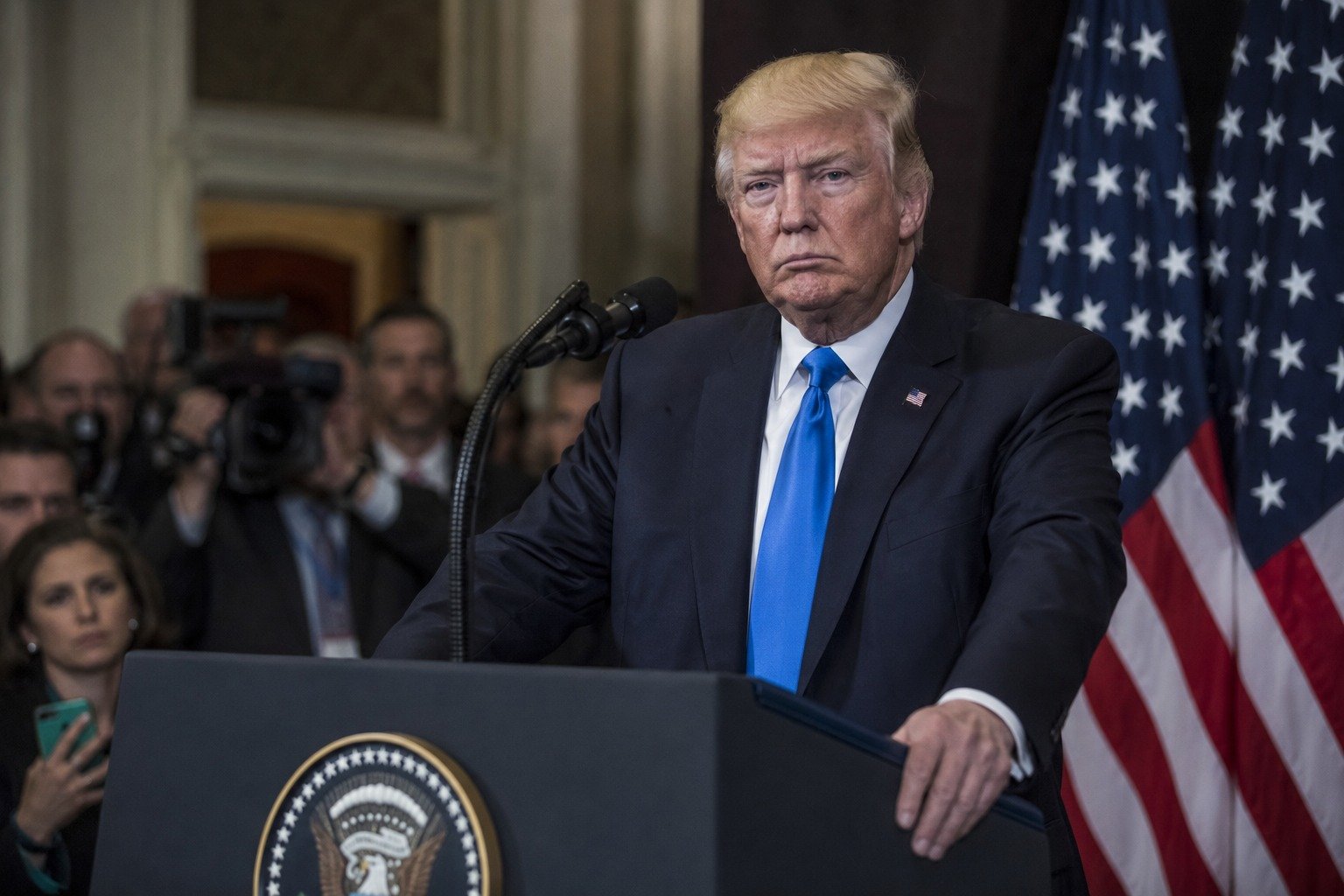
Donald Trump’s job approval has collapsed to the lowest point of his political career. A Quinnipiac University poll released in late July found just 32% of registered voters approve of the job he is doing, while 58% disapprove — the weakest rating Quinnipiac has ever measured for him, in either of his terms.
A Number That Keeps Showing Up
The 32% figure is striking on its own, but what makes it hard to dismiss is that it is not alone. Across the summer of 2026, multiple independent pollsters have landed Trump in the same territory. Surveys from CBS and Newsweek put his approval in the low 30s as well. When separate polling operations, using different methods and different samples, keep arriving at roughly the same number, it stops being statistical noise and starts to look like a settled judgment.
For context, "barely a third" approval is the kind of rating that has historically signaled deep political trouble for a sitting president. It is the zone where a leader’s own party begins to worry about the down-ballot cost.
It Is the Economy
The Quinnipiac poll does not just measure the damage — it points to the cause. Nearly half of voters said they feel worse off financially than they did before. And a remarkable 88% described inflation as a serious problem. Those two findings, taken together, explain a lot about why the approval floor has given way.
This was supposed to be Trump’s strongest terrain. He campaigned on lower prices, a booming economy, and relief for working families. Instead, a clear majority of voters say the cost of living is squeezing them and that their own household finances have gone backward. When people feel poorer at the grocery store and the gas pump, they tend to take it out on whoever is in charge.
Why the Distinction Matters
It is worth being precise about what the 32% actually represents. This is Quinnipiac’s measure of overall job approval among registered voters — not a single-issue rating, and not an average of many polls blended together. It is one respected pollster asking a straightforward question: do you approve or disapprove of the job the president is doing? Barely a third said yes.
That precision matters because approval ratings are one of the few consistent, comparable measures we have of how a presidency is landing with the public over time. A 32% reading is not a snapshot of one bad news cycle. It is a marker of where public sentiment has settled.
The Political Stakes
Numbers like these ripple outward. A president polling in the low 30s becomes a heavier weight for his party to carry, especially heading into competitive elections. Allies grow nervous about being tied too closely to an unpopular administration. Opponents smell opportunity. And the pressure to change course — on the economy above all — intensifies.
The open question is whether any of it can be reversed. Approval ratings are not destiny; they can recover when conditions improve, particularly when the economy turns and voters start to feel it in their own budgets. But a rating this low, driven by pocketbook pain that voters experience every single day, is not easily talked away. It has to be fixed in the real world, not the polls.
What This Means for Americans
Behind the percentage is a simple, human story: most people say they are struggling to keep up, and they are blaming the person at the top. Nearly half feel worse off. Nearly nine in ten call inflation serious. For families deciding whether they can afford groceries, rent, or a tank of gas, the 32% is not an abstraction — it is a reflection of their own kitchen-table math.
Stay informed on the stories that matter most. Follow Your Daily Updates on Facebook and bookmark yourdailyupdates.news for breaking news and analysis.