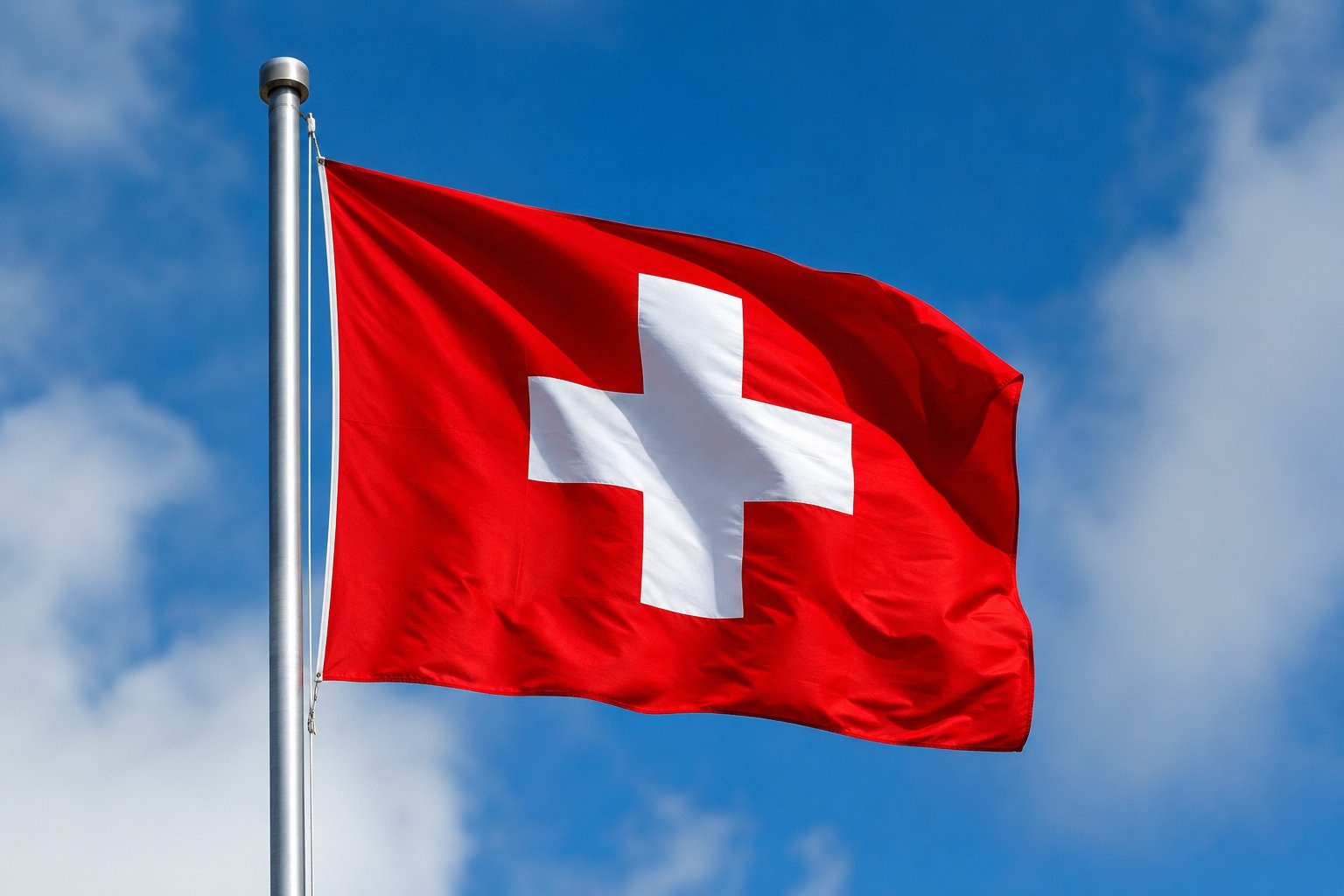
Switzerland is holding one of the most closely watched votes in its modern history. On June 14, Swiss voters are casting ballots in a national referendum on whether their government should be forced to curb population growth — a proposal that would, if it works as intended, cap the country’s population at roughly 10 million people. The polls are open, and the outcome is not yet known.
The measure on the ballot is the “Sustainability Initiative,” put forward by the nationalist Swiss People’s Party (SVP) under the blunt campaign slogan “No to a Switzerland with 10 million!” Despite the environmental-sounding name, the heart of the proposal is not about emissions or resources. It is about immigration — and how many newcomers Switzerland is willing to accept in the decades ahead.
What the Initiative Would Actually Do
It is important to be precise here, because the headline number can be misleading. The initiative would not slam a hard cap of 10 million into place overnight. Instead, it sets up a system of triggers that would force the federal government to act as the population climbs.
Under the proposal, if Switzerland’s permanent resident population reaches 9.5 million, the government would be required to start taking measures to slow growth — including refusing entry to some newcomers. And if the population were to reach 10 million — a level demographers project could arrive around 2050 — the country would be obligated to end its free-movement agreement with the European Union altogether. In other words, the “cap” is really a goal backed by automatic policy consequences, not an instant ceiling.
Why Critics Are Sounding the Alarm
That last provision — ending free movement with the EU — is what worries opponents most. Switzerland is not an EU member, but its prosperity is deeply tied to the bloc through a web of bilateral agreements, and free movement of people is one of the pillars holding that relationship together. Hospitals, technology firms, finance, hospitality, and construction all lean heavily on workers who move across borders to fill jobs the domestic workforce cannot.
Business leaders and economists have warned that walling off that labor pool could choke economic growth, worsen staffing shortages in critical sectors, and isolate one of Europe’s wealthiest nations from the partners it depends on. The Swiss government and parliament both recommended that voters reject the initiative, arguing it would do serious damage to the economy and to Switzerland’s standing in Europe.
The Argument From Supporters
Supporters of the initiative frame it as a matter of protecting quality of life. They argue that rapid population growth has strained housing, pushed up rents, crowded infrastructure and transit, and put pressure on wages. For them, slowing immigration is a way to safeguard the things ordinary residents value most.
Opponents see something older and more familiar beneath that messaging: an anti-immigration campaign from the nationalist right, dressed in the language of the environment and “sustainability,” but aimed squarely at foreigners. The SVP has long made immigration its central issue, and critics say this initiative is the latest and most sweeping version of that politics.
What This Means Beyond Switzerland
The vote matters far beyond the Alps. Across Europe and the United States, nationalist parties have built momentum on borders-first messaging, and a win in a country as wealthy and stable as Switzerland would be a powerful signal that the message can carry even in places built on openness and international trade. A defeat, by contrast, would suggest there are limits to how far voters will follow that argument when the economic stakes are spelled out clearly.
For now, the question is in the hands of Swiss voters. The polls are open, the result is not yet known, and whichever way it lands, today’s referendum is a real-time test of how the immigration debate playing out across the Western world resolves when ordinary people are asked to decide it directly.
Stay informed on the stories that matter most. Follow Your Daily Updates on Facebook and bookmark yourdailyupdates.news for breaking news and analysis.