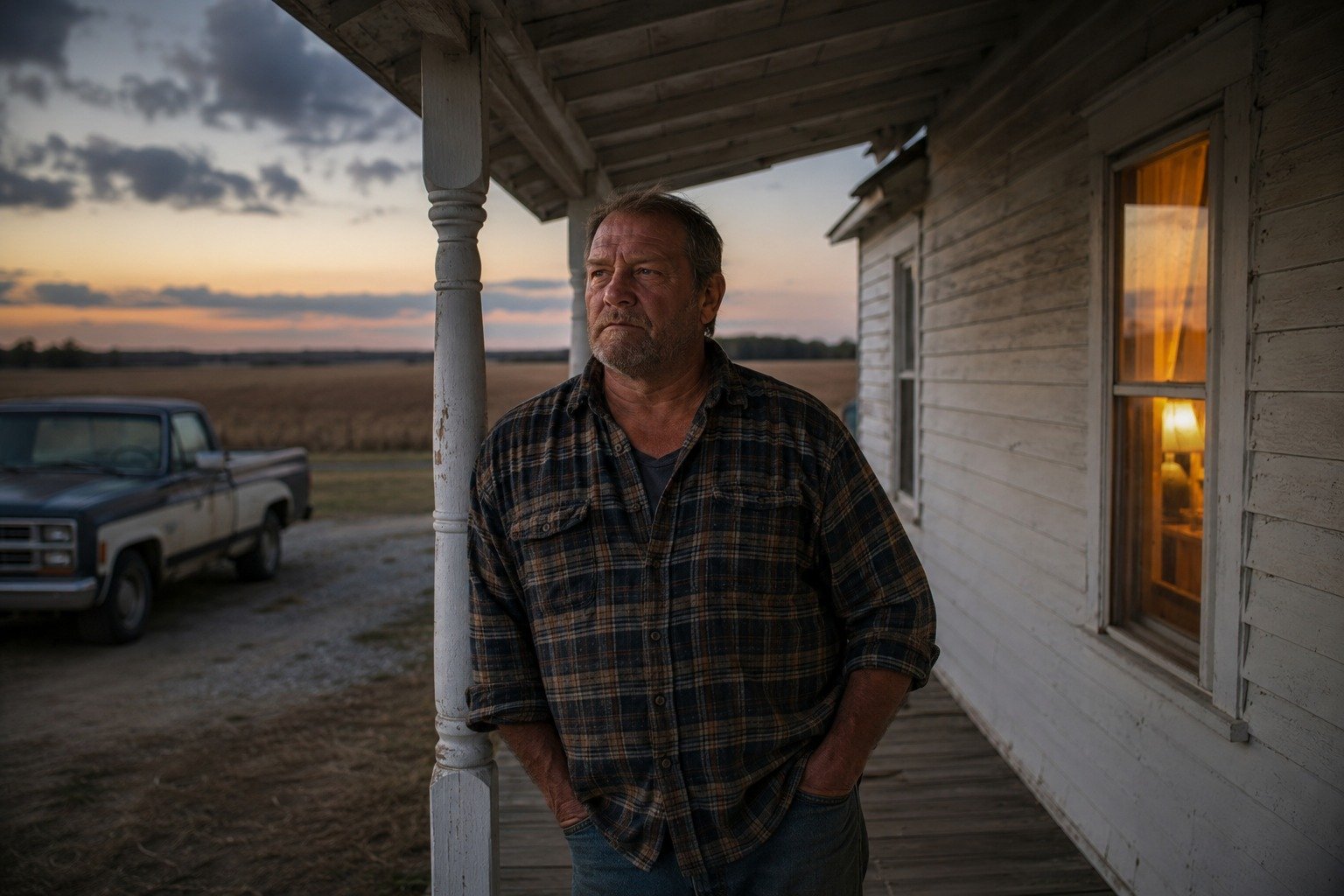
A single sentence from a finance commentator has quietly refused to disappear. More than a year after Spencer Hakimian, founder of the investment firm Tolou Capital, posted it to his verified account in the spring of 2025, the line keeps resurfacing – shared, screenshotted, and argued over – because it lands on something a lot of people feel but rarely say out loud.
The quote: “There’s somebody making $22,000/year in rural America going to bed right now that sincerely believes Donald Trump spent his whole day fighting for them.”
Why One Sentence Keeps Coming Back
Hakimian is not a household name. He runs a hedge fund and posts frequently about markets, policy, and politics, often from a position critical of the former president’s economic agenda. But this particular observation broke out of finance circles and into the broader conversation because it wasn’t about markets at all. It was about belief – specifically, the gap between who a political movement says it fights for and who actually benefits.
The figure at the center of the quote – $22,000 a year – is roughly the income of a full-time worker earning close to the federal minimum wage. It is a wage that, in much of rural America, means choosing between rent, gas, groceries, and medical bills on a monthly basis. These are the communities most dependent on the very programs – Medicaid, SNAP, rural hospital funding – that repeatedly land on the chopping block in budget fights.
The Gap Between Message and Outcome
Hakimian’s point isn’t that any one voter is foolish. It’s structural. Political loyalty, he suggests, can be manufactured and then aimed at the people who benefit least from the actual policy record. A worker can go to bed genuinely convinced that a billionaire spent the day fighting for them, even as the day’s real priorities – tax structures that reward the highest earners, cuts to safety-net programs, promises that rarely survive contact with a signed bill – point in a different direction.
That tension is why the quote has legs. It doesn’t attack the voter. It asks a harder question about the machinery of persuasion: how do you get someone to feel represented by a set of policies that don’t materially help them? For rural households living paycheck to paycheck, the stakes of that question are not abstract. They show up in whether a local hospital stays open, whether food assistance is renewed, and whether a tax bill leaves them better or worse off.
Context: An Old Post, A Current Debate
It’s worth being precise about the timeline. Hakimian posted the line in April 2025 – it is not a fresh, breaking statement. What makes it noteworthy is its staying power. In an online environment where most posts vanish within hours, this one keeps being pulled back into circulation whenever a new budget fight or campaign promise reignites the same argument. Its recurrence is the story as much as its original posting.
Critics of the sentiment argue that it is condescending – that it assumes rural voters can’t weigh their own interests. Supporters counter that it names a real, documented pattern: communities that vote heavily for a movement while that movement advances policies that strain their finances. Both readings have kept the debate alive.
What This Means for Americans
For working families in small towns, the practical question underneath the quote is simple: does the policy match the pitch? Loyalty and messaging are one thing; hospital closures, grocery budgets, and take-home pay are another. The value of a line like Hakimian’s is that it pushes people to check the record against the rhetoric – to ask not who claims to be fighting for them, but what the outcomes actually show. That’s a question worth carrying into every campaign season, no matter which side is making the promise.
Stay informed on the stories that matter most. Follow Your Daily Updates on Facebook and bookmark yourdailyupdates.news for breaking news and analysis.