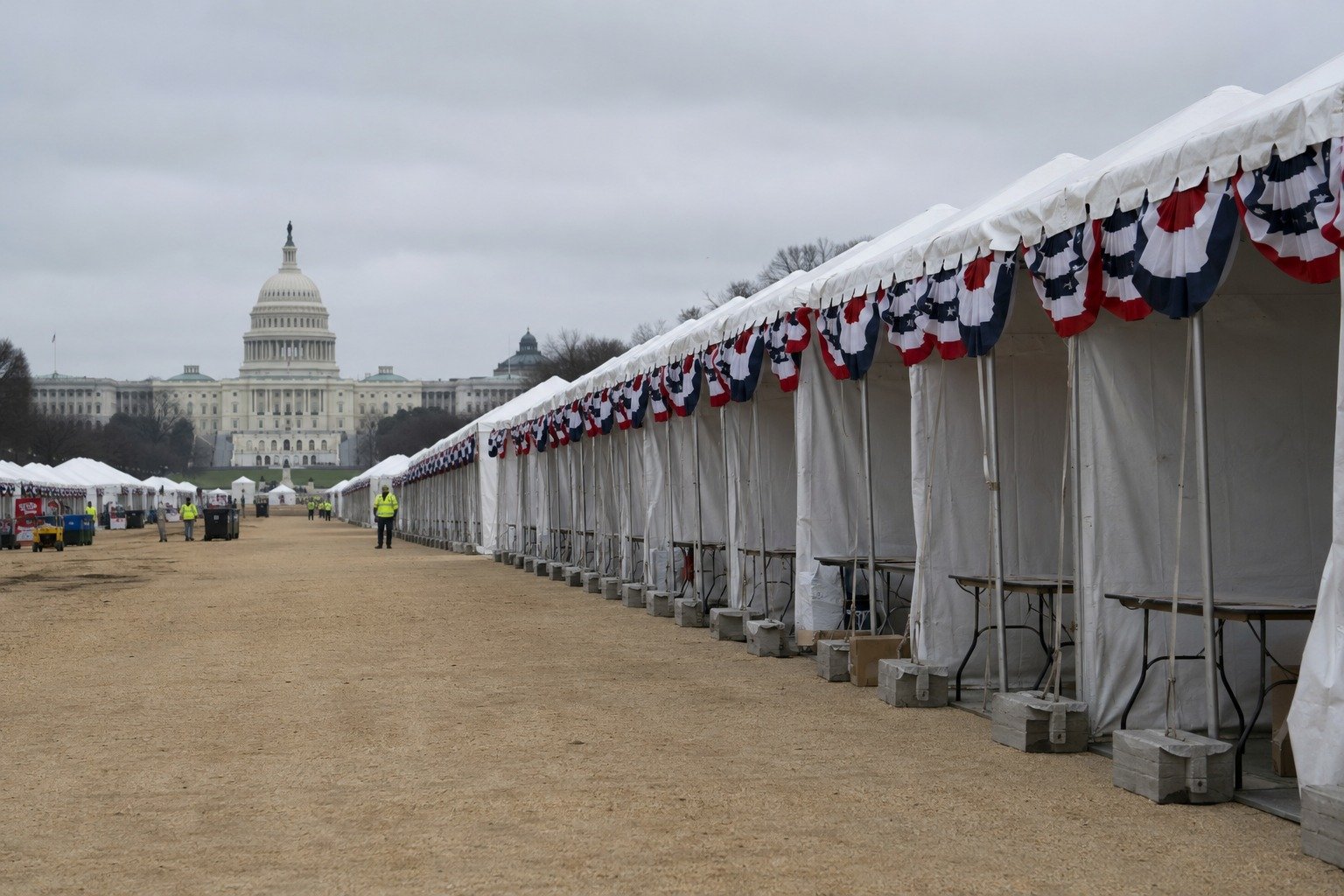
Six states have publicly declined to send official delegations to President Donald Trump’s “Great American State Fair,” a 16-day exposition set to open on the National Mall on June 25 and run through July 10. The growing list of holdouts is turning what was billed as a unifying national celebration into a visible political problem just two weeks before the gates open.
Connecticut, Illinois, Maine, Massachusetts, North Carolina, and Oregon have all confirmed they will not participate with official state delegations. Several additional states remain uncommitted, meaning the final count of absent governments could climb higher before opening day.
What the Fair Is — and What It Costs
The Great American State Fair is the centerpiece of the administration’s broader “Freedom 250” initiative, a sprawling slate of events tied to the lead-up to the nation’s 250th anniversary. The administration has directed at least $68 million toward the Freedom 250 effort. That figure represents funding steered into the initiative — not a bill handed directly to taxpayers for the fair alone, but a substantial public investment all the same.
Each participating state was expected to build and staff its own booth on the National Mall for the entire run of the fair. For state governments already stretched thin, that ask added up fast.
Why States Are Walking
The reasons cluster around three themes: cost, timeline, and politics. North Carolina estimated that building and staffing a booth for more than two weeks would run roughly $100,000 — money state officials concluded was better spent at home. Others pointed to the punishing logistics of pulling staff to Washington for half a month, often at the expense of their own local and statewide events scheduled for the same window.
But money and scheduling weren’t the only sticking points. Oregon’s governor raised the political dimension directly, warning that the event is “shaping up to be a more partisan affair than originally presented.” For an event marketed as a celebration of all 50 states, a sitting governor publicly questioning its neutrality is a pointed rebuke.
Organizers Push Back
Fair organizers maintain that every state will still be “represented” in some form, even without official government delegations — leaning on outside organizations and private groups to fill the gaps left by absent state governments. Whether a booth staffed by a nonprofit or trade group carries the same weight as an official state delegation is exactly the question the holdout states have answered with their absence.
The optics are hard to ignore. An event designed to project national unity is instead generating headlines about which states want nothing to do with it.
What This Means for Americans
At its core, this is a story about how public money gets spent and who decides whether an event is genuinely national or quietly partisan. When six states — and counting — conclude that a $68 million federal push isn’t worth a six-figure booth, that’s a signal worth paying attention to. Taxpayers in every state have a stake in whether anniversary spending serves all Americans or a narrower agenda.
With the gates opening June 25 and the fair running through July 10, the open question is how many more states quietly walk before the ribbon is cut.
Stay informed on the stories that matter most. Follow Your Daily Updates on Facebook and bookmark yourdailyupdates.news for breaking news and analysis.