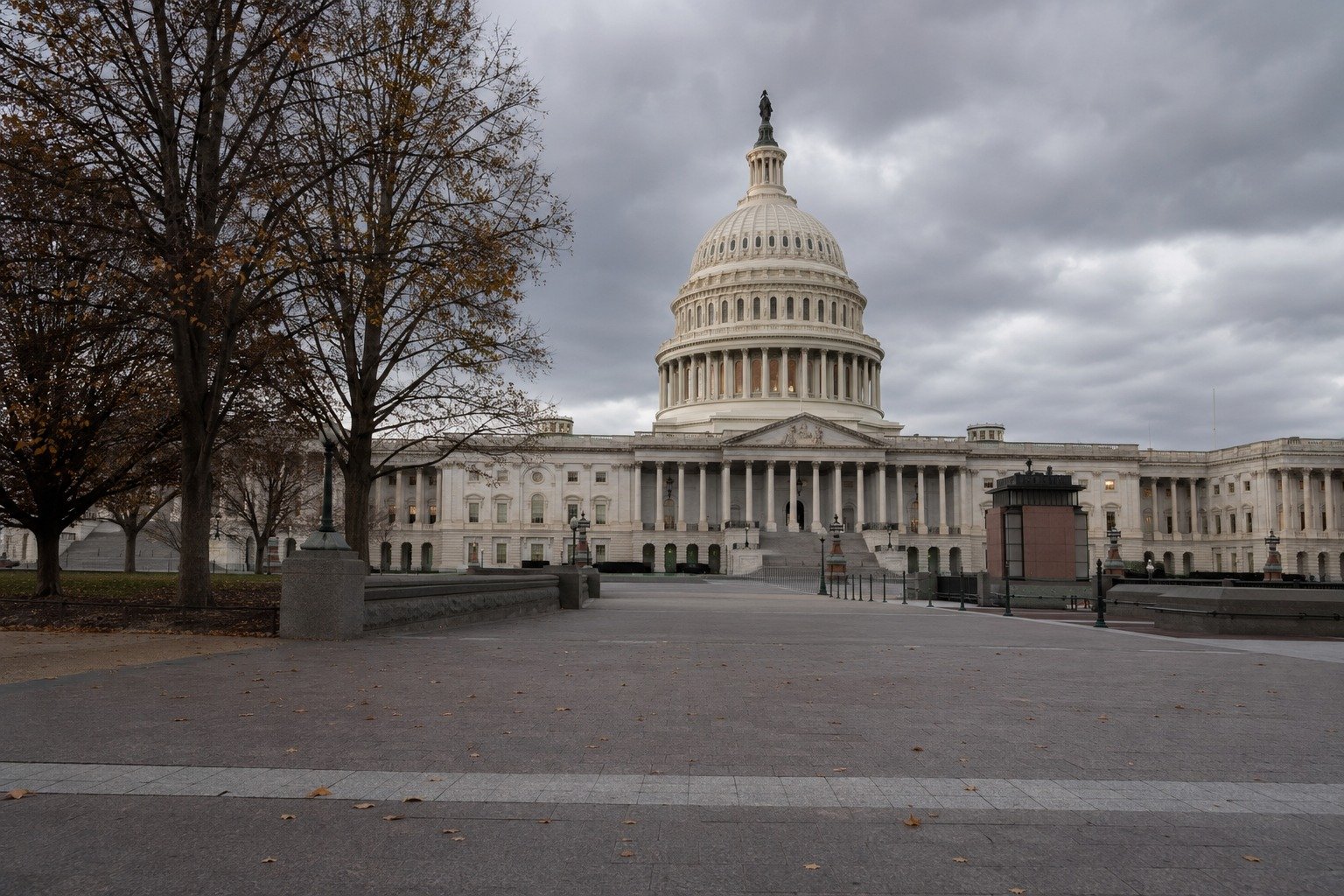
For 43 days last fall, the federal government ground to a halt in the longest shutdown in American history. From October 1 to November 12, 2025, roughly 900,000 federal workers were furloughed, and hundreds of thousands more were ordered to keep working with no paycheck at all. One group, however, never missed a single check: the members of Congress whose failure to reach a deal caused the shutdown in the first place.
That contrast has reignited a long-simmering debate. Should lawmakers feel the same financial pressure they impose on the workers who keep the country running? It is a question worth putting directly to the people who lived through it.
Why Congress Keeps Getting Paid
The reason lawmakers keep collecting salaries during a shutdown is not an oversight. It is written into the Constitution. The 27th Amendment, ratified in 1992, bars any law changing congressional pay from taking effect until after the next election. Because members’ salaries are treated as mandatory spending rather than the discretionary funding that lapses in a shutdown, the checks keep flowing no matter how long the standoff drags on.
Federal employees have no such protection. When appropriations lapse, “non-essential” workers are furloughed without pay, while “essential” staff, including TSA screeners, air traffic controllers, and border agents, are required to report to work and told their back pay will come whenever the shutdown ends. For many, that promise does not cover the bills that arrive on time regardless.
The Human Cost of 43 Days
Six weeks without a paycheck is not an abstraction for the families who endured it. Missed mortgage and rent payments. Drained savings accounts. Lines at food banks that reported surges in first-time visitors, many of them government workers who had never needed help before. Some picked up gig work between shifts; others fell behind on car loans and credit cards, absorbing late fees and interest they will spend months paying down.
The shutdown also rippled well beyond federal payrolls. Contractors, who rarely receive back pay, lost income entirely. Services slowed or stopped. And the workers ordered to stay on the job kept the airports open and the borders staffed while wondering how they would cover groceries.
The Bills That Keep Dying
Lawmakers in both parties have repeatedly proposed changing the math. Measures with names like the “No Government No Pay Act,” the “No Pay for Congress During Default or Shutdown Act,” and the “No Work No Pay Act” would withhold or escrow members’ salaries during a funding lapse. The idea is simple: if the people who keep the government running go unpaid, so should the people who shut it down.
Yet none of these bills has ever become law. They are introduced, they generate headlines, and they quietly stall in committee. Some versions would only delay lawmakers’ pay until the shutdown ends rather than cancel it, blunting the very pressure they claim to create. The 27th Amendment complicates permanent pay cuts, but escrow proposals that simply defer salaries would not run afoul of it, which makes their repeated failure look less like a legal problem and more like a lack of will.
What This Means for Americans
The core issue is accountability. When the consequences of a political failure fall entirely on the workers and never on the decision-makers, there is little incentive to avoid the next standoff. Tying lawmakers’ paychecks to the same clock federal employees live by would give the people with the power to end a shutdown a personal stake in ending it quickly. For millions of workers who spent last fall watching their bank balances shrink while Congress collected, that is not a radical demand. It is a question of fairness.
Stay informed on the stories that matter most. Follow Your Daily Updates on Facebook and bookmark yourdailyupdates.news for breaking news and analysis.