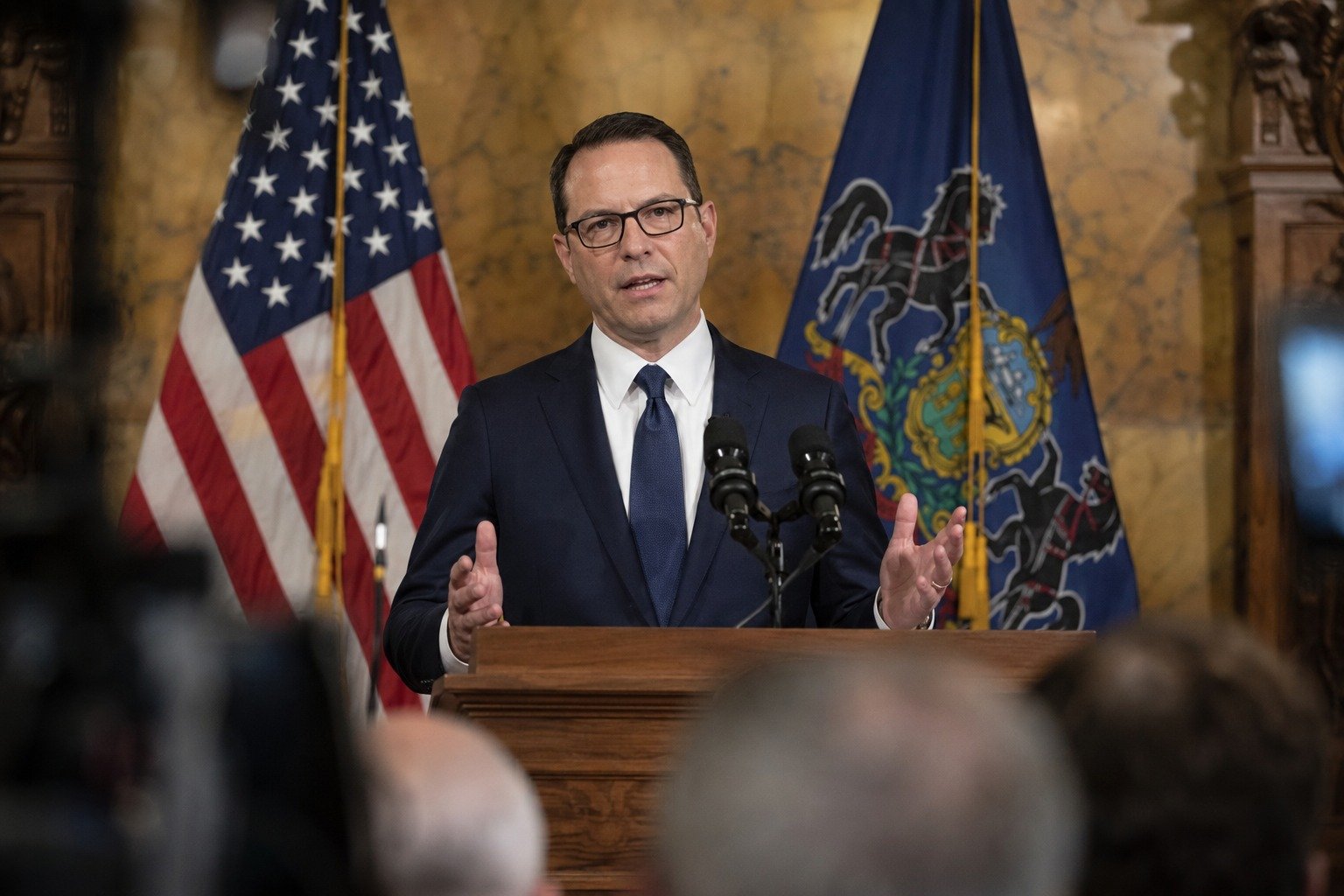
Pennsylvania has joined a 25-state coalition suing the Trump administration over a new Medicaid rule that could put coverage at risk for roughly 750,000 Pennsylvanians. Gov. Josh Shapiro’s administration signed on to the multistate lawsuit on June 29, filed in federal court in Massachusetts, arguing that the administration’s guidance on Medicaid work requirements ignores protections Congress explicitly wrote into law.
The suit was brought by 25 states plus the District of Columbia. Pennsylvania is not going it alone here – it is one voice in a broad coalition of attorneys general and governors challenging how the federal government is interpreting a law Congress already passed.
What the Lawsuit Actually Challenges
The fight is not over whether work requirements exist. It is over how the administration is applying them. When Congress wrote the requirements into the One Big Beautiful Bill, it built in exemptions for people who are “medically frail” – individuals too sick or disabled to reasonably hold down a job or meet a work-reporting mandate. Those carve-outs were not an afterthought. They were the mechanism Congress used to make sure the most vulnerable enrollees would not lose their health coverage over paperwork they physically could not complete.
The coalition argues that the administration’s guidance effectively erases those exemptions – narrowing or ignoring who qualifies as medically frail, and shifting the burden onto enrollees to prove eligibility under rules the states say were never authorized by Congress. In short: the states contend the executive branch is rewriting a law rather than enforcing it.
Who Is Affected in Pennsylvania
In Pennsylvania alone, the rule reaches about 750,000 people in the Medicaid expansion population. That group is not an abstraction. It includes working parents, people between jobs, caregivers, and Pennsylvanians managing chronic illnesses and disabilities. For many of them, Medicaid is not a supplement – it is the only thing standing between them and going without care entirely.
The Medicaid expansion population is largely made up of low-income adults who gained coverage under the expansion of the program. Losing that coverage can mean skipped prescriptions, delayed treatment, and medical debt that pushes families deeper into crisis. When coverage is tied to a reporting requirement, even people who technically qualify can fall through the cracks simply because they miss a deadline or cannot navigate the paperwork.
Two Competing Arguments
The administration’s position is straightforward: work requirements encourage employment and are a legitimate condition for receiving public benefits. Supporters frame the guidance as a way to promote self-sufficiency and ensure the program serves those who are working toward it.
The states counter that the rule, as written, breaks a promise Congress made to the sick and disabled. Their core claim is legal, not just political – that the guidance oversteps what the statute allows and strips protections lawmakers deliberately included. They are asking the court to block the guidance before it takes effect, arguing that hundreds of thousands of people should not lose coverage because of an interpretation Congress never signed off on.
What This Means for Pennsylvanians
For the 750,000 Pennsylvanians in the expansion population, this lawsuit is about whether their coverage survives a bureaucratic reinterpretation of the rules. If the guidance stands, some of the most medically vulnerable people in the state could be forced to prove and re-prove their eligibility – or lose care over a missed form. If the coalition wins, the “medically frail” protections Congress wrote stay intact, and the burden shifts back off the shoulders of people who are already sick.
The case now sits with a federal court in Massachusetts, and its outcome will ripple far beyond Pennsylvania – shaping how Medicaid work requirements are applied across every state in the coalition.
Stay informed on the stories that matter most. Follow Your Daily Updates on Facebook and bookmark yourdailyupdates.news for breaking news and analysis.