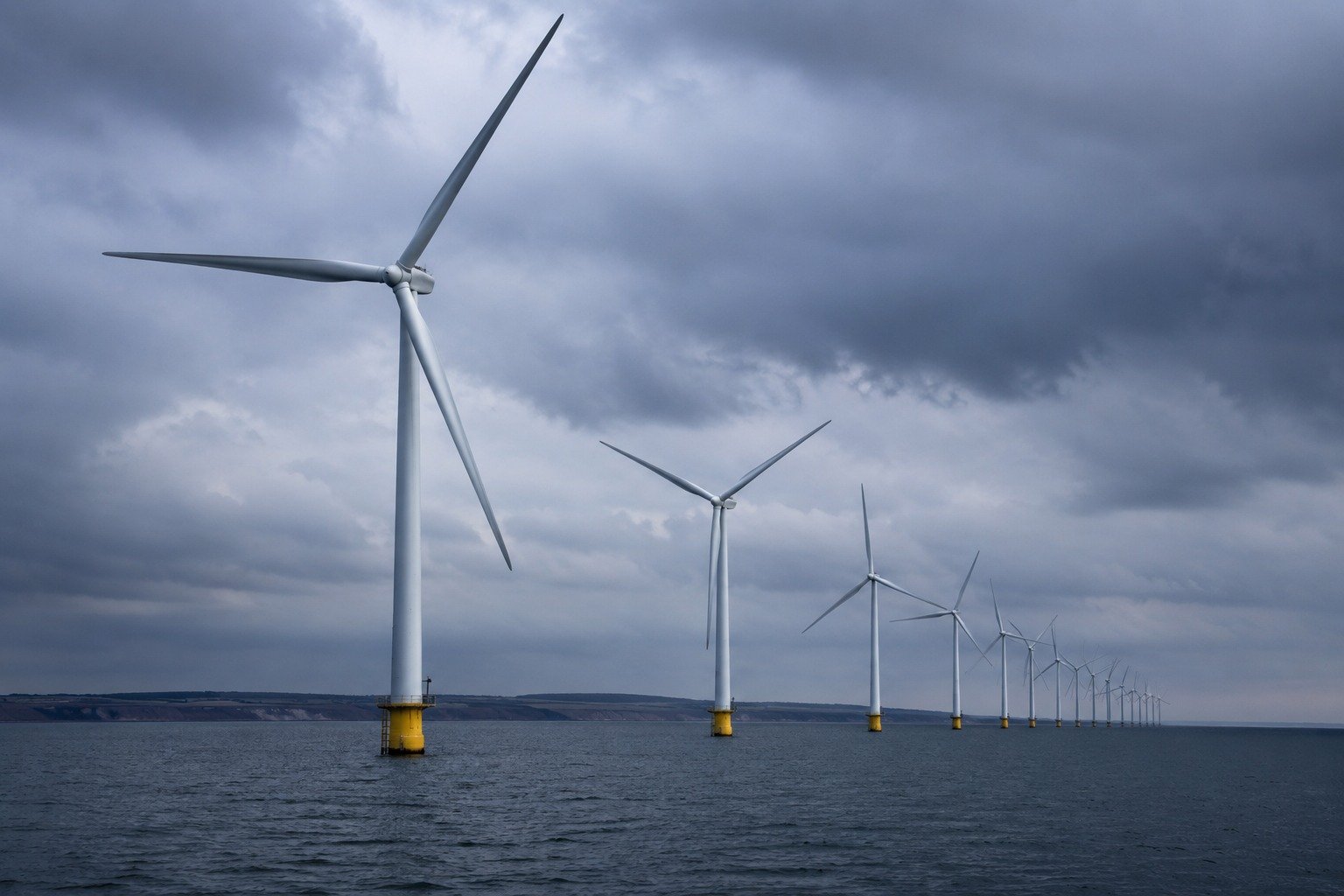
Seven states have taken the Trump administration to federal court over a nearly billion-dollar deal that would scrap two major offshore wind projects planned for the waters off New York and North Carolina. The lawsuit, filed on June 2, 2026, sets up a high-stakes legal fight over who controls the future of energy development along the nation’s coastlines.
The attorneys general of Connecticut, Maine, Massachusetts, New Jersey, New York, Rhode Island, and Vermont jointly filed the suit in the U.S. District Court for the District of Columbia. The case is led by New York Attorney General Letitia James, and it challenges an agreement under which the federal government would pay French energy company TotalEnergies roughly $928 million to walk away from the planned wind farms.
What the Deal Involves
At the center of the dispute is the arrangement between the administration and TotalEnergies. Under its terms, the company would cancel its offshore wind commitments off the coasts of New York and North Carolina. In exchange for the roughly $928 million payment, TotalEnergies would redirect that capital into oil, natural gas, and liquefied natural gas projects instead.
For the administration, the deal fits within a broader energy strategy. Officials have spent recent months emphasizing expanded domestic oil and gas production while stepping back from offshore wind, which they have described as costly and less reliable than traditional fuels. Supporters of that approach argue that shifting investment toward oil and gas strengthens the nation’s energy supply and helps keep costs down for consumers.
The States’ Legal Argument
The seven states see the matter very differently. Their central claim is that the agreement violates the Outer Continental Shelf Lands Act, the federal law that governs how energy projects in U.S. coastal waters are reviewed, approved, and managed. The states argue that the administration cannot simply pay a developer to abandon projects that already cleared the federal approval process without following the procedures Congress established.
In their view, the deal short-circuits a system designed to bring transparency and public input to decisions about offshore development. By compensating a company to drop already-approved projects, the states contend, the government is sidestepping the law rather than working within it. They are asking the court to undo the agreement entirely.
Jobs, Energy, and a Question of Precedent
Beyond the legal technicalities, the states argue there is a great deal at stake. They say the canceled projects represented thousands of jobs and significant progress toward their clean-energy goals. New York and several of its Northeastern neighbors have set ambitious targets for renewable power, and offshore wind has been a centerpiece of those plans.
The states also warn about the precedent the deal could set. If the federal government can pay developers to abandon approved projects, they argue, it introduces a new and unpredictable factor into long-term energy planning. The administration, for its part, maintains that it is acting within its authority to reshape national energy priorities and that reorienting toward oil and gas serves the country’s interests.
What Happens Next
The lawsuit now lands before a federal judge, who will weigh whether the agreement can stand or must be thrown out. The outcome could carry implications well beyond these two projects, potentially shaping how much flexibility any administration has to redirect federal energy policy once projects have already been approved.
For Americans watching from the sidelines, the case touches on questions that hit close to home: the cost and reliability of energy, the jobs tied to major infrastructure projects, and the balance of power between Washington and the states. However the court rules, the decision is likely to influence the direction of U.S. energy development for years to come.
Stay informed on the stories that matter most. Follow Your Daily Updates on Facebook and bookmark yourdailyupdates.news for breaking news and analysis.