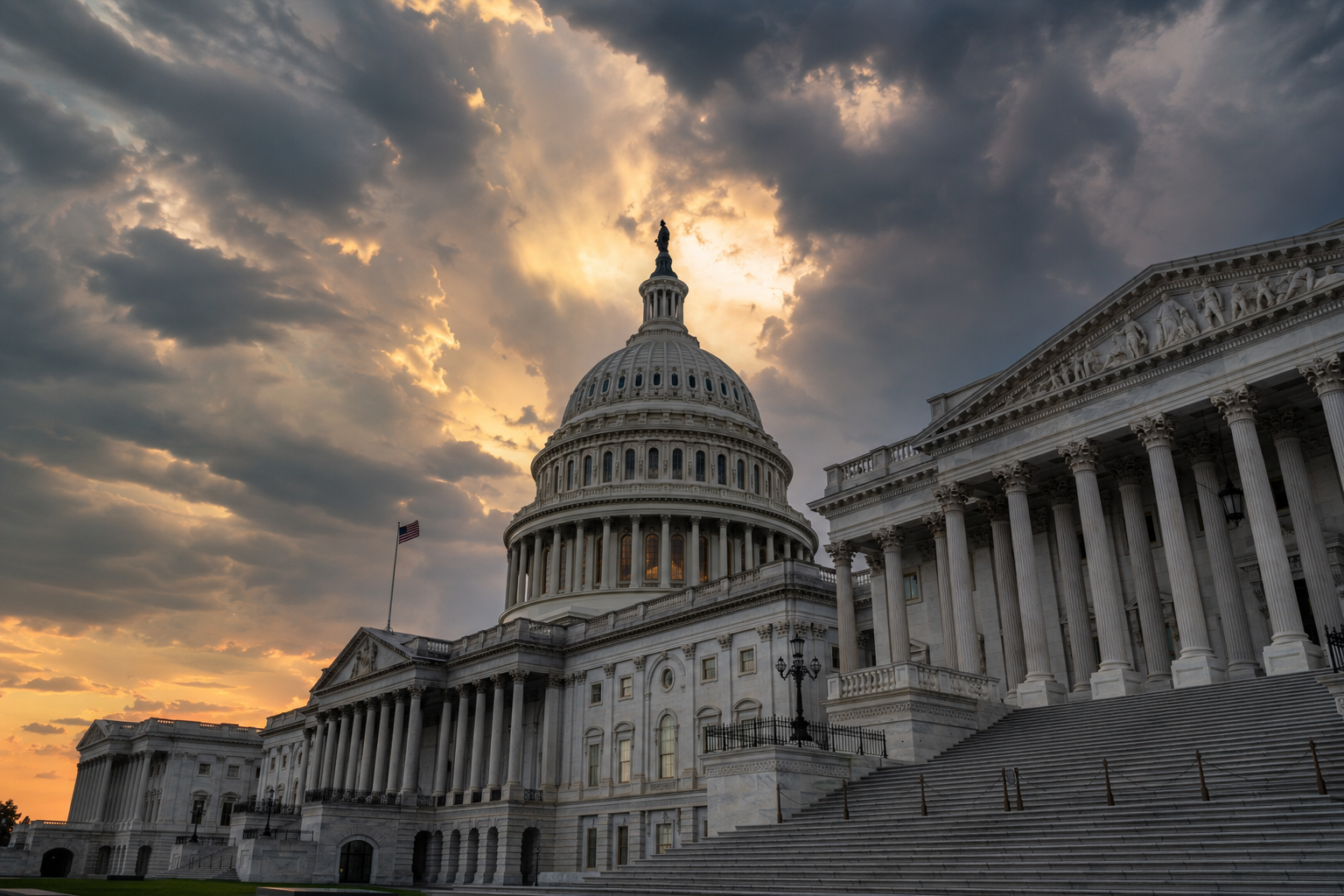
After back-to-back government shutdowns that stretched for months and left hundreds of thousands of federal workers scrambling, the United States Senate has finally done something about its own paycheck — sort of. Senators voted unanimously to freeze their own salaries the next time the government shuts down. But here’s the fine print: every dollar they lose gets paid back the moment the government reopens.
What the Senate Actually Voted For
The Senate passed the measure with bipartisan support — a rare display of unity in a chamber that has struggled repeatedly to keep the government funded. The vote came in the wake of two of the most damaging shutdowns in recent American history: a 43-day shutdown earlier this year and a record-breaking 76-day Department of Homeland Security shutdown that left border patrol agents, federal employees, and government contractors without paychecks for weeks on end.
The new legislation ties senators’ pay directly to whether the government stays open. If funding lapses and the government shuts down, senators stop receiving their $174,000 annual salary for the duration of the closure. In theory, that creates a personal financial incentive for lawmakers to actually do their jobs and pass a budget on time.
The Catch: They Get Every Dollar Back
Here’s the detail that critics aren’t letting go of. The pay freeze is temporary. The moment a deal is struck and the government reopens, senators collect every penny they didn’t receive during the shutdown. It’s not a salary cut, a fine, or a financial penalty — it’s a delayed paycheck. For lawmakers who have been in office for decades and have accumulated significant personal wealth through stock portfolios, book deals, and speaking fees, a few weeks of delayed salary barely qualifies as an inconvenience.
Contrast that with the estimated 800,000 federal workers who are furloughed or forced to work without pay during a shutdown. While some federal employees are eventually given back pay once the government reopens, that’s never guaranteed — and many contractors who support government operations receive nothing at all. For a TSA screener, a park ranger, or a civilian employee at a military installation, missing two or three paychecks can mean missed rent, deferred medical care, and maxed-out credit cards.
The House Isn’t Covered — At All
There’s another significant gap in the legislation: the House of Representatives isn’t covered by it. Members of Congress on the House side continue drawing their full salaries no matter how long a shutdown runs. The Senate’s unanimous vote sends a message, but without a matching bill passing the House, it only applies to one chamber of Congress — leaving the body that typically originates spending bills entirely off the hook.
No companion legislation has been scheduled for a House floor vote. That means the next time a shutdown happens, senators may have to skip a paycheck — temporarily — while House members keep cashing theirs without interruption.
Accountability or Political Theater?
Supporters of the measure argue it’s a meaningful step toward forcing Congress to take the budget process seriously. If lawmakers know their own finances are at stake, the argument goes, they’re more likely to work across the aisle to reach a deal before the deadline. The fact that the vote was unanimous — every senator, from both parties — suggests there’s genuine appetite for this kind of personal accountability.
Critics are less convinced. They point out that the guaranteed back pay neutralizes most of the pressure the bill is designed to create. A freeze that’s ultimately reversed isn’t accountability — it’s optics. Real consequences would mean lost pay with no reimbursement. What the Senate passed is closer to an interest-free loan to themselves, one they collect the moment the shutdown ends.
What This Means for Americans
For the millions of Americans who depend on federal services — from Social Security processing to veteran benefits to air traffic control — government shutdowns are not an abstract political dispute. They cause real disruption to real lives. The Senate’s vote is a step, but whether it actually changes the behavior of lawmakers remains to be seen. Until the House passes a matching bill and back-pay guarantees are removed from the equation, the pressure on Congress to avoid future shutdowns remains limited at best.
Stay informed on the stories that matter most. Follow Your Daily Updates on Facebook and bookmark yourdailyupdates.news for breaking news and analysis.