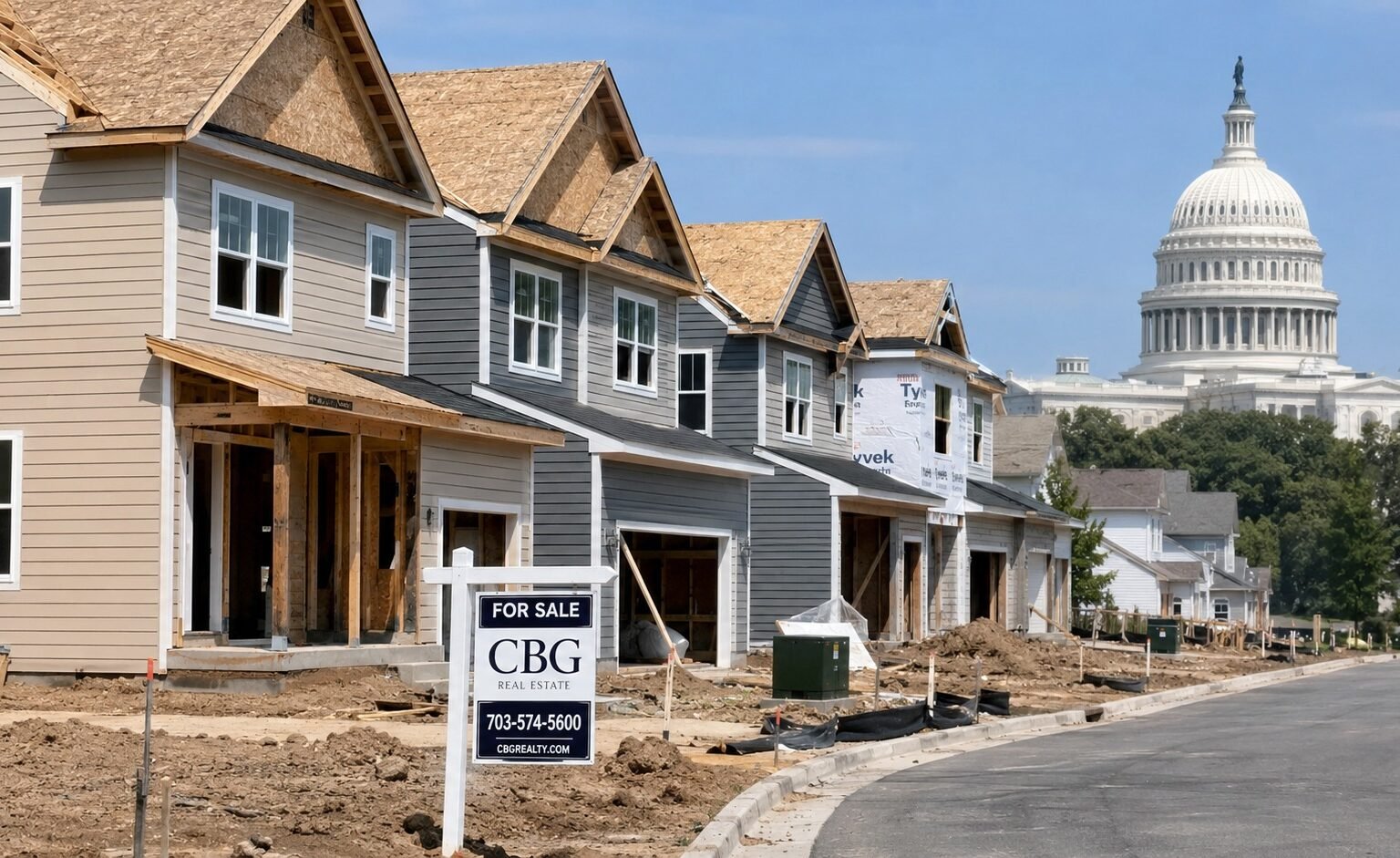
The U.S. Senate did something this week that has become almost unheard of in Washington: it reached a broad, bipartisan agreement. By a sweeping 85-5 vote on June 22, 2026, lawmakers passed the 21st Century ROAD to Housing Act, a sprawling package aimed squarely at the affordability crisis that has been squeezing working families out of the housing market for years.
The bill is not a single, narrow fix. It bundles together more than 45 separate provisions, the product of months of negotiation involving leaders of the Senate Banking, Housing, and Urban Affairs Committee, the House Financial Services Committee, and the administration. The core goal is straightforward: make it easier to build homes and bring costs down for ordinary Americans.
Taking aim at Wall Street
One of the most striking pieces of the legislation takes direct aim at Wall Street. The bill would limit large institutional investors from buying up certain single-family homes — the same kind of deep-pocketed corporate buyers who have been accused of pricing ordinary families out of entire neighborhoods. In communities across the country, residents have watched investment firms purchase homes in bulk, often outbidding first-time buyers with all-cash offers and then converting those houses into rentals.
Supporters argue that putting guardrails on that practice is a matter of basic fairness. A house, they say, should first be a place for a family to live — not simply another asset on a corporate balance sheet. By curbing the ability of the biggest investors to dominate the single-family market, the bill is meant to give working families a fairer shot at homeownership.
Why the vote matters
The 85-5 tally tells its own story. In a Senate that often splits sharply along party lines, a margin that lopsided signals a rare and genuine coalition. Lawmakers from both parties framed the measure as one of the most significant housing efforts in years, built around a problem that touches nearly every community in the nation: housing simply costs too much, and not enough of it is being built.
Beyond the Wall Street provisions, the package leans heavily on increasing housing supply — cutting red tape that slows construction, encouraging more building, and addressing the chronic shortage that economists across the spectrum point to as a central driver of high prices. The logic is simple: when there are more homes available, prices tend to ease.
Not law yet — the House is next
It is important to be precise about where this stands. The bill has passed the Senate, but it is not law yet. It now heads to the House of Representatives, which leaders hope to bring to a vote in the coming days. Only after the House passes the measure can it go to the President’s desk for a signature.
That final stretch is where big bipartisan deals can sometimes unravel. The question now is whether the House moves as decisively as the Senate did, or whether a sweeping package this large gets picked apart before it reaches the finish line. For the working families watching their rent and mortgage payments climb, the stakes are immediate — and the outcome in the House will determine whether this rare moment of agreement actually translates into lower housing costs.