For 43 days during the longest government shutdown in American history, 800,000 federal workers reported to work — or stayed home by order — without receiving a single paycheck. Air traffic controllers kept flights safe. Border agents kept watch. TSA screeners processed millions of passengers. Park rangers locked their gates. All of them unpaid. Every member of Congress, meanwhile, collected their full salary without a single dollar withheld. The Senate just voted 99-0 to make sure that never happens again.
The Vote That Changed the Math
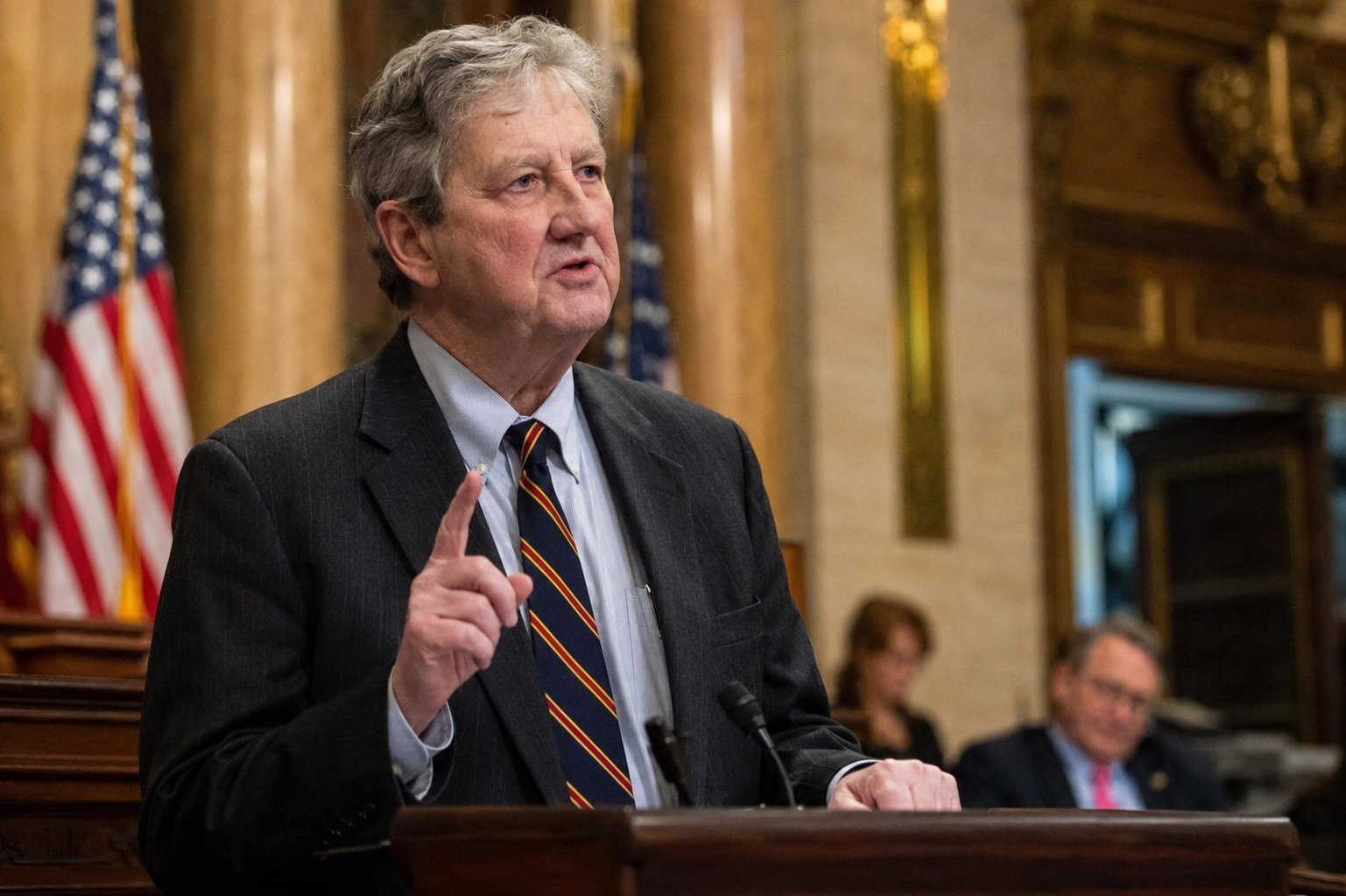
The resolution, driven by Louisiana Senator John Kennedy, requires that congressional salaries be held in escrow during any future government shutdown. The mechanism is straightforward: the moment a shutdown begins, lawmakers stop receiving direct pay. Their salaries accumulate in escrow and are released only after Congress does its fundamental job — passing a budget or continuing resolution that reopens the government.
The 99-0 final margin is remarkable by any measure. In an era of near-total partisan gridlock, a vote that leaves only one abstention and zero opposition is almost unheard of on anything touching congressional compensation. The lopsided result suggests that even senators who benefited from the old arrangement could not bring themselves to publicly defend it.
Senator Kennedy’s Long Fight
Kennedy had been pushing this legislation for months. In the aftermath of the record shutdown that ended in fall 2025, he introduced two versions of the pay freeze. The first would hold salaries in escrow during a shutdown and release them — with back pay — once the government reopened. The second was more aggressive: it would have eliminated back pay entirely, meaning lawmakers would permanently lose the income they missed during a shutdown. Kennedy made no apologies for either version. His argument was direct: if the federal workers who keep the government running have to absorb the financial pain of a shutdown, the people responsible for causing it should face the same consequences.
The path to passage was not entirely smooth. Democrats initially blocked the resolution on the Senate floor in early 2026, creating a delay that frustrated Kennedy and shutdown accountability advocates. The Senate Rules Committee had advanced the measure unanimously in December 2025 — zero opposition even there — which made the subsequent floor resistance harder to explain. The blockade ultimately failed. The final 99-0 vote erased any ambiguity about where the Senate stood.
What Still Needs to Happen
The Senate resolution does not become law on its own. The House of Representatives must still pass companion legislation before the pay freeze can take effect. Additionally, the measure is structured to apply after the November 2026 elections, meaning current members of Congress would not face the new consequences until the next Congress is seated. Critics have noted this delayed implementation as a convenient carve-out, while supporters argue it was necessary to secure the votes needed for passage.
Why This Matters for Federal Workers
For the 800,000 workers who lived through the 2025 record shutdown, the Senate vote is more than symbolic. Many were forced to take out loans, defer rent, or drain savings accounts while waiting for a budget deal in Washington. Some never fully recovered financially from the disruption. The core injustice — that the people who failed to prevent a shutdown faced no personal cost while those who had nothing to do with the decision bore all of it — has grated on federal employees and the public alike for years.
Under the new framework, that accountability gap closes. Congress controls the federal budget. Congress votes on whether the government opens or closes. For the first time, Congress would feel the direct financial pressure of a shutdown rather than simply waiting out political disagreements on a full salary while the rest of the government grinds to a halt.
Stay informed on the stories that matter most. Follow Your Daily Updates on Facebook and bookmark yourdailyupdates.news for breaking news and analysis.