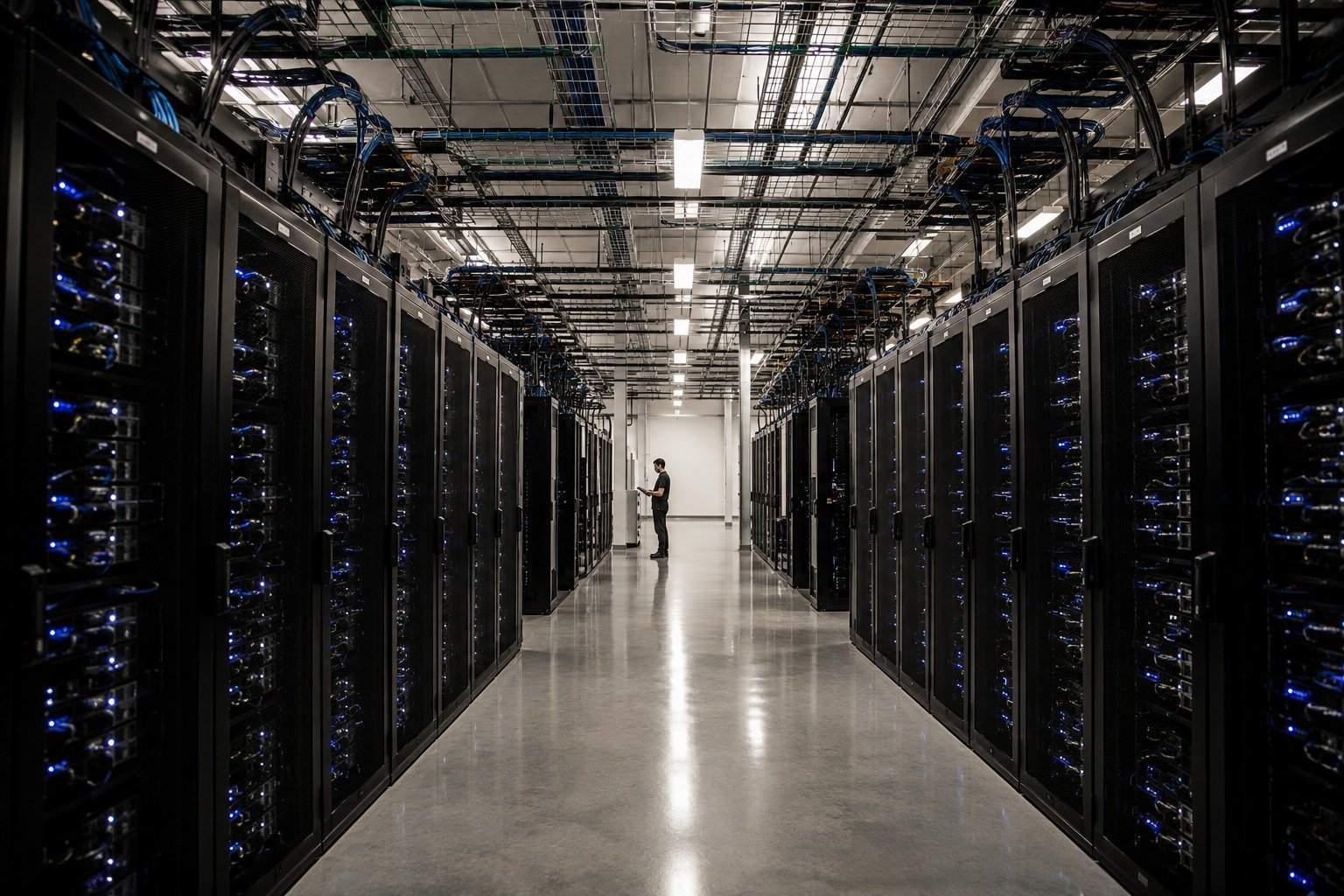
Seattle has become the largest city in the United States to slam the brakes on new large data centers. On June 9, 2026, the City Council voted unanimously to enact an emergency one-year moratorium on approvals for massive new server facilities, citing the strain they place on the power grid, the region’s water supply, and residents’ utility bills.
The pause applies specifically to new facilities that would draw more than 20 megavolt-amperes of electricity – the kind of energy-hungry projects increasingly sought by artificial intelligence and cloud-computing companies. Existing data centers in the city are not affected and can continue operating. The measure now heads to Mayor Katie Wilson, who has signaled support and is expected to sign it.
Why Seattle Acted Now
The vote did not come out of nowhere. City officials pointed to reports that companies had been exploring as many as five large data-center projects in the Seattle area, representing roughly 369 megawatts of new electricity demand combined. That is an enormous load – enough to rival the power needs of a small city – and it raised immediate alarms about who would ultimately pay to support it.
Data centers have become one of the fastest-growing sources of electricity demand in the country, driven by the AI boom. They run around the clock, consume large volumes of water for cooling, and can generate persistent noise for nearby neighborhoods. As more of them cluster in and around cities, local officials across the country have started asking whether the benefits flow to residents or mostly to the corporations building them.
What the Moratorium Does
The emergency ordinance freezes approvals of new large facilities for one year, with the option to extend the pause an additional six months if the council decides more time is needed. Crucially, it is a pause – not a permanent ban – and it is aimed squarely at new projects above the 20 MVA threshold rather than the centers already operating in the city.
That distinction matters. By targeting only the largest new builds, the council preserved existing operations and jobs while giving itself room to write clearer rules before the next wave of construction arrives. The goal, supporters say, is to make sure the city has guardrails in place – on energy use, water consumption, noise, and cost-sharing – before approving projects that could reshape the grid for decades.
The Affordability Question
At the heart of the debate is a simple worry that hits home for ordinary households: rising utility bills. When a handful of enormous facilities plug into the same grid that powers homes and small businesses, the cost of new transmission lines, substations, and capacity upgrades can land on everyday ratepayers. Council members framed the moratorium as a way to protect residents from subsidizing infrastructure that primarily serves large tech companies.
Seattle’s move is being watched closely because of its size and symbolism. As the largest U.S. city to enact such a pause, it sends a signal to other municipalities weighing similar pressures: communities can demand a seat at the table when deciding what gets built and who pays for it.
What This Means for Americans
The AI data-center boom is national, and so are its costs. Decisions like Seattle’s are ultimately about whether the people who live near these facilities – and who help foot the bill for the power they consume – get a real voice in the process. For families already squeezed by higher electricity and water costs, a city pressing pause to write fairer rules is a reminder that local government still has tools to put residents first.
Stay informed on the stories that matter most. Follow Your Daily Updates on Facebook and bookmark yourdailyupdates.news for breaking news and analysis.