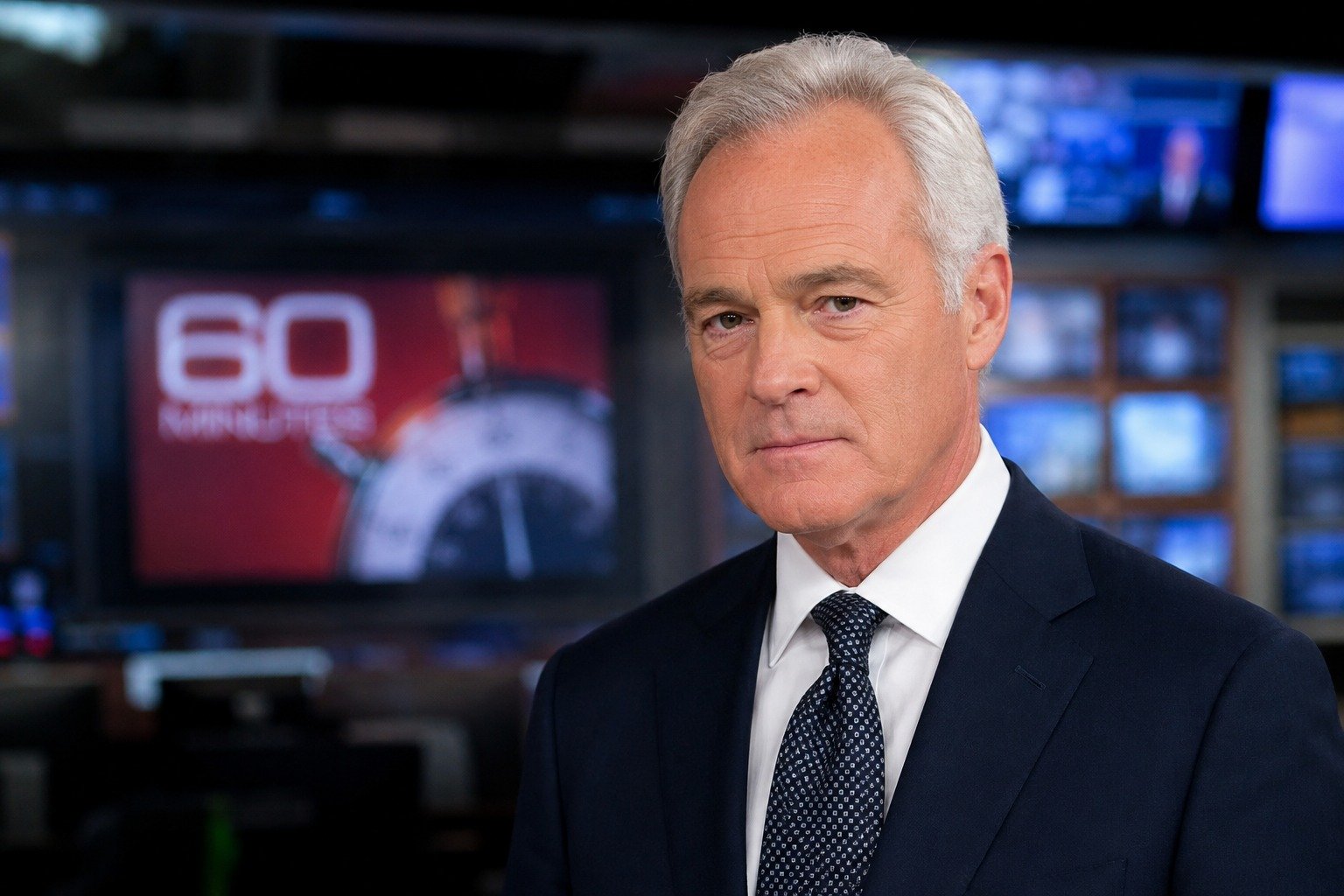
Scott Pelley spent nearly four decades at CBS News. Now, just days after being forced out of “60 Minutes,” he is leveling one of the most serious accusations a journalist can make against his own employer: that the people running the network put “a thumb on the scale for the president’s version of events.”
In an interview with The New York Times — his first since the dismissal — Pelley alleged that CBS News editor-in-chief Bari Weiss pressed for changes to a segment on immigration enforcement in Minnesota that would have tilted the reporting toward the Trump administration’s framing. CBS disputes his account, saying Weiss’s notes did not change the final piece. What is not in dispute is that one of the most recognizable figures in American broadcast news is now openly at war with the leadership of the institution he served for a generation.
What Pelley Is Alleging
The dispute centers on a report tied to immigration enforcement in Minnesota and the killings of Renee Good and Alex Pretti. According to Pelley, the pressure he encountered was aimed at reshaping that coverage in ways that favored the government — including making protesters appear more violent and recasting key details so they aligned more closely with the administration’s narrative.
For a news organization, that is an explosive charge. “60 Minutes” has built its reputation over decades on the premise that its reporting answers to the facts, not to the powerful. Pelley’s claim is that, at least in this instance, that premise was under threat from inside the building.
A Public Break, Not a Quiet Exit
Pelley is not going quietly. Rather than accept a discreet departure, he has publicly called for Weiss to be removed, arguing that the kind of editorial interference he describes is exactly what erodes public trust in journalism. It is a remarkable position for a veteran correspondent to take on the record: a direct, named demand for the ouster of the person now in charge of the newsroom.
The timing matters. Pelley’s exit came in the wake of internal clashes over the direction of CBS News and “60 Minutes,” and his decision to air the grievance through the country’s largest newspaper guarantees it will not stay an internal matter. He is, in effect, daring his former employer to answer the charge in public.
CBS Pushes Back
CBS rejects Pelley’s characterization. The network’s position is that Weiss’s notes did not alter the final piece, and that routine editorial review — the back-and-forth that shapes any major story before it airs — is not the same thing as bias. In that telling, what Pelley experienced was ordinary newsroom give-and-take, not an attempt to bend coverage toward any politician.
So far, it is Pelley’s word against the company’s: a journalist with nearly forty years at the network on one side, and the new leadership he accuses on the other. Both cannot be fully right, and the public has no independent way to weigh the competing claims without more transparency about what actually happened to that segment.
Why This Matters for Americans
This is bigger than one segment or one correspondent. When a veteran journalist says the leadership of a major network leaned on coverage to flatter the powerful, it raises a question that affects every reader: can you trust that what reaches your screen has not been softened to protect someone in office? A free press only works if newsrooms answer to the facts. Pelley’s accusation — and CBS’s denial — put that principle squarely on the table, and the people with the most at stake are ordinary Americans who rely on the news to hold power accountable.
Stay informed on the stories that matter most. Follow Your Daily Updates on Facebook and bookmark yourdailyupdates.news for breaking news and analysis.