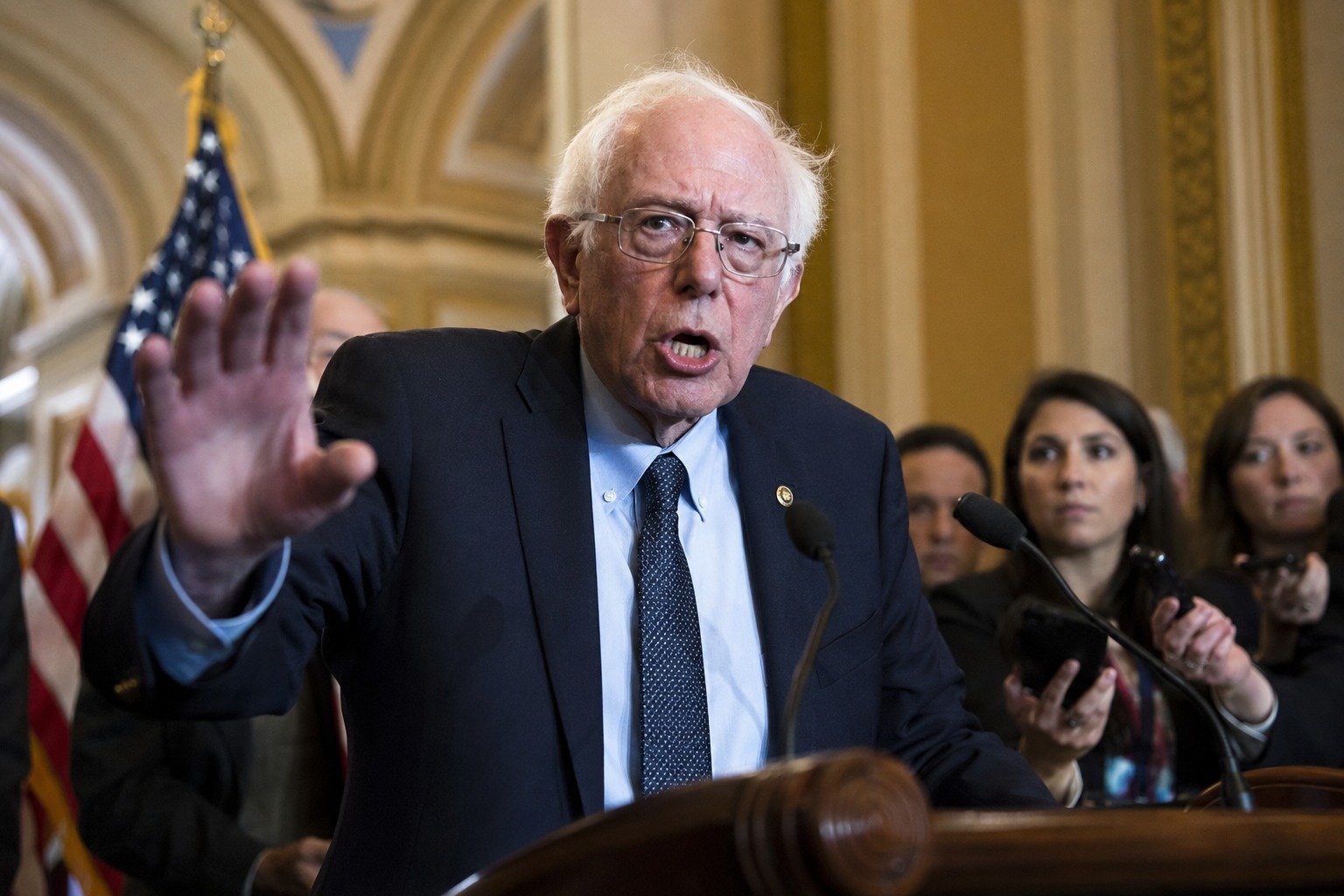
Senator Bernie Sanders forced the United States Senate to go on record over the weapons the country keeps shipping to Israel – and the vote did not go his way. His push to block roughly $660 million in bomb sales fell short, but not before every senator had to take a public side on an issue that usually clears with no debate at all.
What Sanders Actually Did
Sanders introduced Joint Resolutions of Disapproval – a rarely used tool that allows a single senator to force a floor vote on a pending arms sale. The resolutions targeted roughly $658.8 million in offensive weapons, a package that included around 22,000 new bombs bound for Israel.
His argument was blunt and centered on the American taxpayer. “The last thing American taxpayers need to do right now is provide 22,000 new bombs,” Sanders said, framing the sale as a misuse of public money. “No more weapons to support an illegal war,” he added – language that is his own characterization of the conflict, an accusation rather than a legal finding by any court or official body.
The Vote Fell Short
On April 15, the Senate rejected Sanders’ effort. The resolutions failed, the arms sale moved forward, and the headlines that day read plainly: Sanders’ effort to block arms sales to Israel falls short. Nothing about the sale was halted, paused, or written into law. The bombs were cleared to ship.
That outcome was not a surprise. Efforts to block weapons transfers to Israel have repeatedly failed in a Senate where support for the alliance runs deep across both parties. Sanders knew the math going in. He filed the resolutions anyway.
Why He Did It Anyway
The vote did accomplish one thing Sanders wanted: it put every senator on the record. Arms sales of this size typically clear quietly, without a floor debate and without any individual lawmaker having to defend a yes or a no. By filing the resolutions, Sanders pulled the decision into the open and made his colleagues choose a side out loud.
For supporters, that is the entire point. They argue that Congress has spent years rubber-stamping enormous weapons transfers with almost no scrutiny, and that forcing a vote – even a losing one – is exactly the kind of accountability that has been missing. A recorded vote becomes a permanent marker that constituents and future challengers can point to.
The Other Side
Critics of Sanders’ move see it very differently. They argue the sales are a core part of a longstanding alliance and that blocking them would amount to abandoning a partner in the middle of a conflict. To them, the weapons package is a routine commitment to a key ally, not a blank check that needs a special vote to justify.
That tension – accountability versus alliance – is why the vote drew attention well beyond its predictable result. It was less about whether Sanders would win and more about forcing a conversation that Washington usually avoids.
What This Means for Americans
At its core, this is a fight over how much say the public gets in where billions of dollars in weapons go. Every major arms sale is funded and backed by American taxpayers, yet most move forward with no vote and little debate. Sanders’ resolutions failed, but they raised a question that is not going away: should Congress have to vote on every major weapons sale before it ships, or should those deals keep clearing in the background? For now, the bombs are on their way – and the debate over who gets to decide is only getting louder.
Stay informed on the stories that matter most. Follow Your Daily Updates on Facebook and bookmark yourdailyupdates.news for breaking news and analysis.