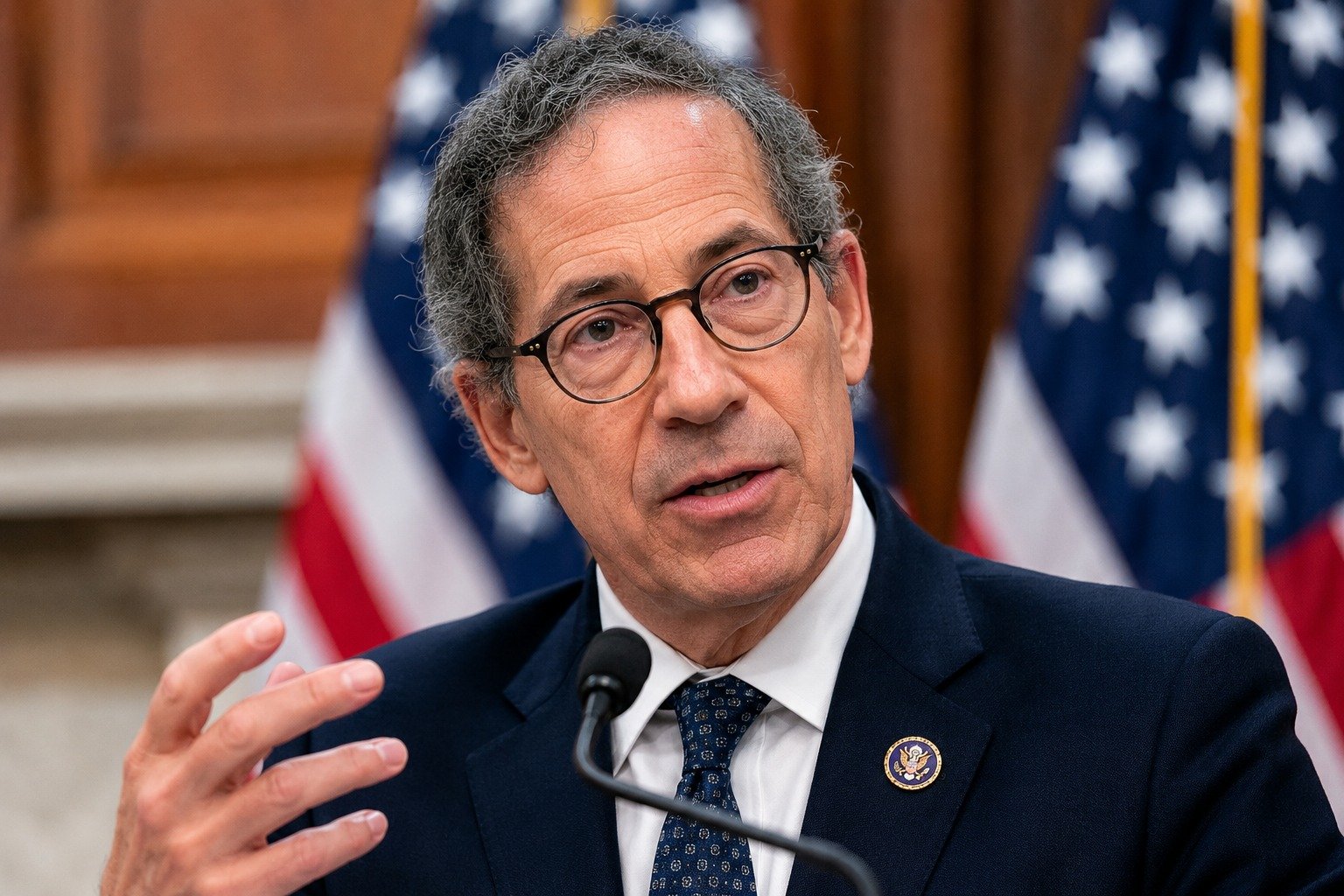
Rep. Jamie Raskin has introduced a sweeping anti-corruption package built around a single, pointed question: should a president ever be allowed to quietly turn the power of the pardon into a source of personal profit? The Maryland Democrat and ranking member of the House Judiciary Committee unveiled the legislation in early June 2026, casting it as a direct response to a Justice Department settlement that critics have branded a “super pardon” for President Donald Trump, his family, and their businesses.
At the center of the package is the BLANCHE Act — formally, the Block Lawless Agreements and Nullify Corrupt Handouts and Emoluments Act. The name is no accident. Raskin and his allies argue that the recent DOJ deal would hand the Trump family broad, lasting immunity from legal exposure, and they want Congress to slam that door shut before it becomes a template for future presidents.
What the Legislation Would Do
The package is not a single bill but a set of guardrails aimed at presidential self-dealing. It would bar a sitting president from cutting money-damages settlements with the federal government — the mechanism critics say was used to engineer the “super pardon.” It would require judicial oversight of those kinds of deals, so they can no longer be arranged quietly behind closed doors without a court ever weighing in.
It would also ban presidential self-pardons outright, ending the long-running debate over whether a president can wipe away his own potential criminal liability with the stroke of a pen. And in its most striking provision, the legislation would force the president to disclose to Congress any payment received from a person they granted a pardon or clemency to. In plain terms: if money changes hands anywhere near a pardon, lawmakers — and by extension the public — would have a right to know.
The “Super Pardon” That Sparked It
Raskin says the immediate trigger was a settlement reached through the Justice Department that, in his telling, amounts to total and permanent immunity for the Trump family across a wide range of matters — including issues that could be pending before the IRS and other federal agencies. He has described it as a slush fund and a corrupt handout dressed up as a legal settlement, and he argues that without congressional action, the arrangement sets a precedent any future president could exploit.
The legislation would give all Americans a clearer path to resolve genuine claims against the federal government through legitimate judicial proceedings, rather than allowing the settlement process to be quietly bent to benefit the most powerful person in the country. Supporters frame it as leveling a playing field that has been tilted toward insiders.
The Honest Caveat: Introduced, Not Law
It is important to be precise about where this stands. This is introduced legislation — a proposal — not an enacted law. With Republicans controlling the House, the package faces long odds of even reaching a floor vote, let alone passing both chambers and surviving a presidential veto. Raskin’s own framing treats it as much as a marker as a bill he expects to become law tomorrow: a clear line in the sand on presidential corruption.
That political reality, though, is part of why the proposal is landing hard. It puts a simple and uncomfortable idea formally on the record in Congress — that the power to pardon should never carry a price tag, and that if it ever does, the public deserves to know. Even bills that stall can shape the debate and define what accountability looks like heading into the next election.
What This Means for Americans
For ordinary Americans, the stakes are about trust in the most basic guardrails of government. The pardon power was designed as an act of mercy, not a transaction. If a president can settle away legal exposure for himself and his family — or accept payments tied to clemency without ever disclosing them — the line between public duty and private gain blurs. Raskin’s package is a bet that voters want that line drawn brightly, and enforced in the open.
Stay informed on the stories that matter most. Follow Your Daily Updates on Facebook and bookmark yourdailyupdates.news for breaking news and analysis.