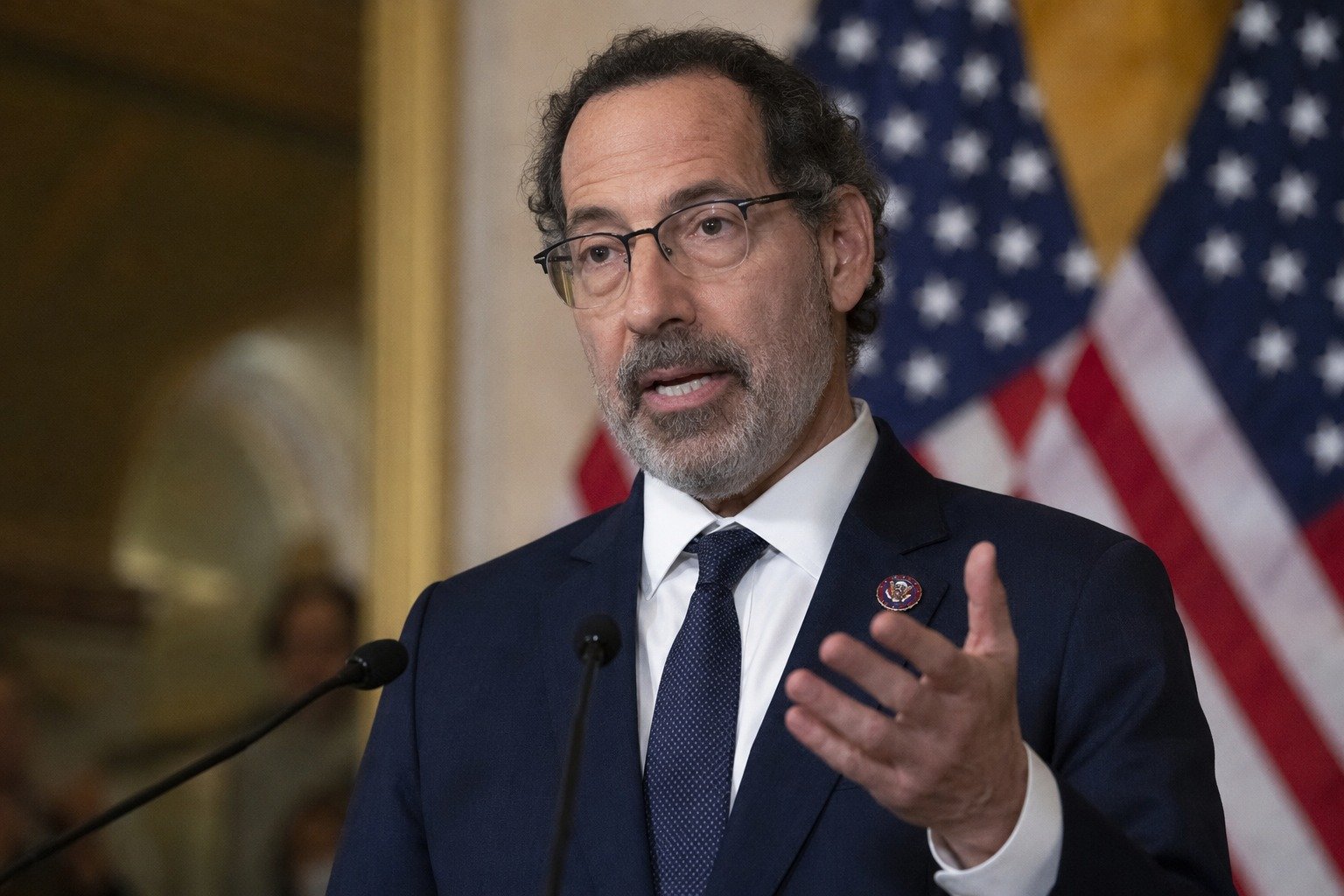
A president who cashes in on the people he pardons could soon be committing a federal crime. Rep. Jamie Raskin, the top Democrat on the House Judiciary Committee, has introduced legislation that would make it illegal for a president to accept money from anyone he pardons or appoints to office – including payments funneled through a business the president owns.
The bill, unveiled in May 2026 as part of a broader anti-corruption package, targets a form of self-dealing that has long existed in a legal gray zone: the possibility that a president could grant clemency or hand out a government post and quietly profit from the person on the receiving end.
What the Bill Would Do
The measure works in both directions. It would bar a sitting president from accepting payments from pardon recipients and presidential appointees. At the same time, it would prohibit those individuals – the people being pardoned or appointed – from making such payments in the first place. The goal is to shut the door on any cash-for-clemency arrangement before it can start.
Crucially, the bill also reaches money routed through businesses. A president who owns hotels, resorts, or other companies could not use those entities as a back channel to collect payments from someone he had pardoned or placed in a government job. And it would require the president to disclose to Congress any money received from people he pardoned or appointed – putting a reporting requirement where none currently exists.
Part of a Larger Anti-Corruption Push
Raskin did not introduce the measure alone. He rolled it out alongside Reps. Robert Garcia and Joseph Morelle as part of a wider package aimed at tightening ethics rules around the executive branch. The pardon power is one of the few presidential authorities with almost no statutory guardrails – it is granted directly by the Constitution and has historically been treated as nearly absolute. Raskin’s bill does not touch the president’s ability to grant a pardon. Instead, it goes after the financial transactions that could surround one.
A Bill, Not a Law
There is an important caveat: this is legislation that has been introduced, not passed. Democrats are in the minority in the House, which means the bill has no realistic path to becoming law in the current Congress. Without majority support, it is unlikely to receive a floor vote, let alone clear both chambers and reach the president’s desk.
Supporters argue that is precisely why introducing it matters. By putting the proposal on the record, they force every member of Congress to take a public position on whether a president should be allowed to profit from his own pardons. Critics dismiss it as a message bill destined to go nowhere – a political statement rather than a serious legislative effort. Both things can be true at once: it is a statement, and it is also a marker for a future Congress that might have the votes.
What This Means for Americans
At its core, the debate is about a simple question of accountability: should the most powerful person in the country be able to turn an act of mercy – or a government appointment – into a personal payday? For ordinary Americans who will never wield the pardon power, the answer shapes how much they can trust that decisions made in their name are being made for the public good rather than private gain. Public corruption erodes faith in government, and clear rules are one of the few tools available to rebuild it.
Stay informed on the stories that matter most. Follow Your Daily Updates on Facebook and bookmark yourdailyupdates.news for breaking news and analysis.