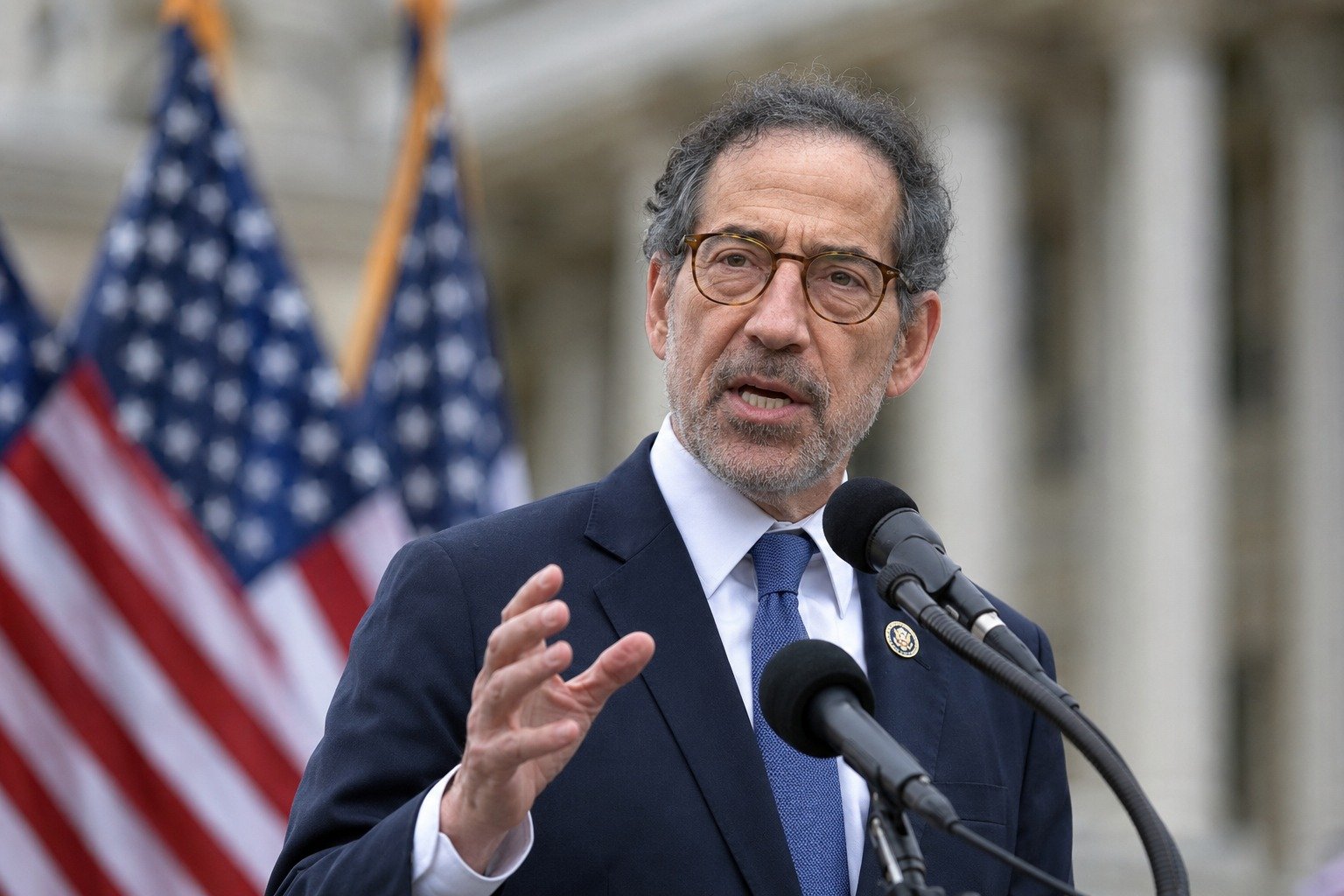
A new anti-corruption push in Congress is taking direct aim at one of the murkiest corners of presidential power: the pardon. In May 2026, Rep. Jamie Raskin (D-MD) introduced the Protecting Our Democracy Act, a sweeping reform package that would force any president to tell Congress about money they receive from the very people they pardon — and bar them from taking that money at all.
Raskin is not going it alone. He introduced the measure alongside co-leads Rep. Robert Garcia (D-CA) and Rep. Joe Morelle (D-NY), with Sen. Adam Schiff (D-CA) leading a companion bill in the Senate. As of its introduction, the package had drawn 93 co-sponsors — a sign that the idea has serious backing within the Democratic caucus, even as its path forward remains steep.
Why the Pardon Power Is Under Scrutiny
The presidential pardon is one of the few powers in the Constitution that comes with almost no built-in checks. A president can grant clemency to nearly anyone, for nearly any federal offense, without approval from Congress or the courts. That broad authority has long worried good-government advocates, who warn that without transparency rules, the pardon power could be quietly turned into a transaction — clemency in exchange for cash, favors, or loyalty.
Under current federal law, there is strikingly little to stop a president from accepting money from someone they have pardoned. There is no requirement to disclose such payments, and in many cases the public would have no way of ever learning they occurred. That gap is exactly what the Protecting Our Democracy Act is built to close.
What the Bill Would Actually Do
The legislation has two core mechanisms. First, it would require the president to disclose to Congress any payments received from individuals they pardon or grant clemency to — as well as payments from their own Senate-confirmed appointees. Second, it would flatly prohibit a president from accepting those payments in the first place.
Together, those provisions are aimed squarely at what reformers call “pay-to-play” schemes: arrangements in which clemency starts to look less like an act of mercy and more like a product that can be bought. By making the money trail visible to Congress and banning the transactions outright, the bill’s authors argue it would restore a basic guardrail that most Americans likely assume already exists.
The pardon provisions are just one piece of a much larger anti-corruption package. The Protecting Our Democracy Act has been pitched as a comprehensive effort to rein in abuses of executive power and rebuild accountability across the federal government — with the clemency-payment rules among its most pointed reforms.
A Proposal, Not Yet a Law
It is important to be precise about where this effort stands. The Protecting Our Democracy Act has been introduced — not enacted. It is proposed legislation, and it must still clear both chambers of Congress before any of its provisions could take effect. With 93 co-sponsors, the bill carries real momentum, but momentum is not the same as passage.
Reform packages like this one have historically faced a hard road, particularly when they touch the powers of the presidency itself. Supporters know a fight is all but guaranteed, and the coming months will reveal which lawmakers are willing to put their names on a recorded vote — and which are not.
What This Means for Americans
For ordinary voters, the stakes are straightforward. The pardon power is exercised in their name, and a clemency system that can be quietly monetized erodes public trust in the rule of law. Supporters of the bill argue that transparency about presidential payments should be the bare minimum — a basic standard that applies no matter who holds the office. Whether Congress agrees will say a great deal about how seriously Washington takes the question of self-policing.
Stay informed on the stories that matter most. Follow Your Daily Updates on Facebook and bookmark yourdailyupdates.news for breaking news and analysis.