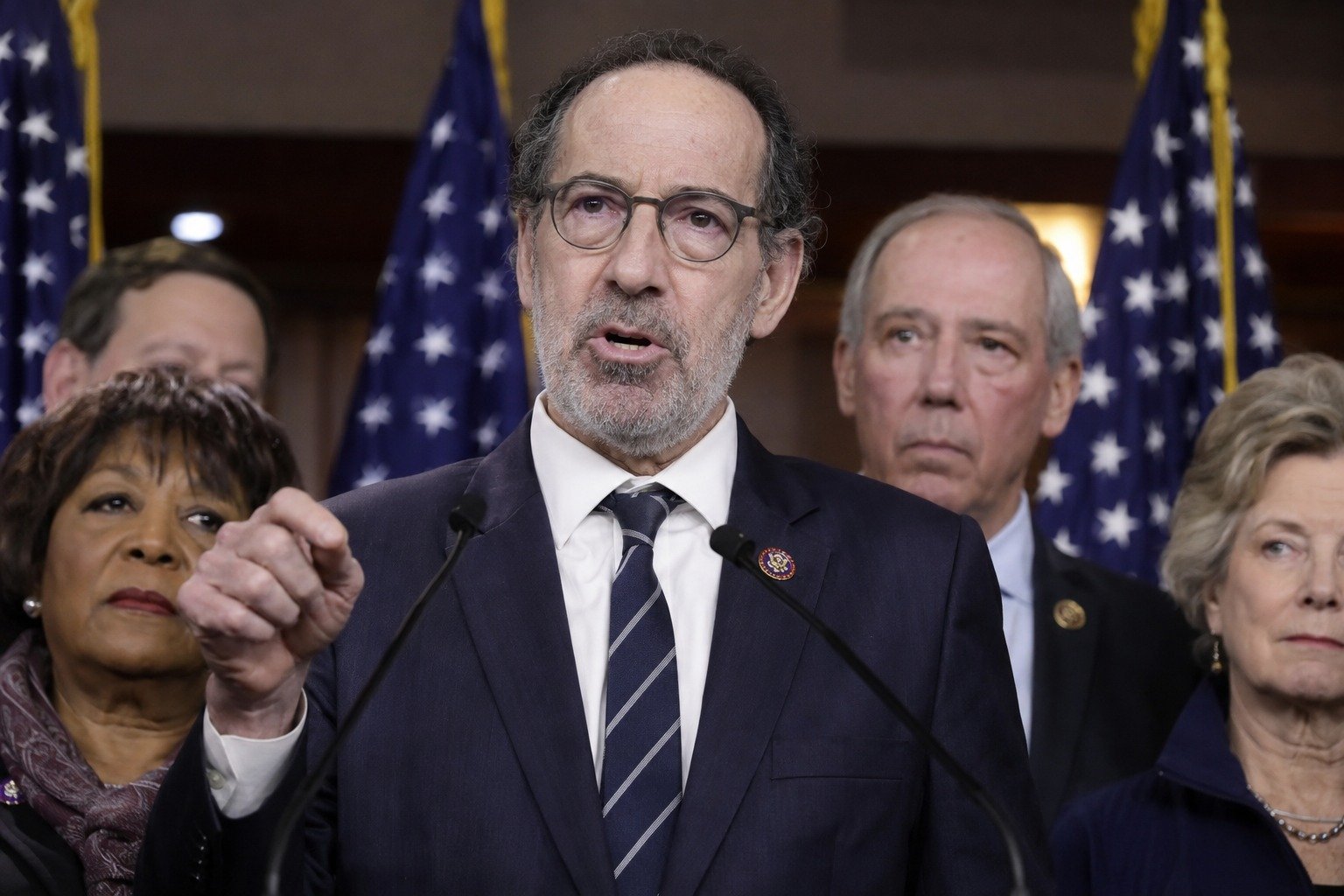
No one should be able to buy a pardon. That is the simple principle behind sweeping new anti-corruption legislation Rep. Jamie Raskin has unveiled — a bill that would bar any president from accepting payments from the very people they pardon or appoint, and force them to disclose every such payment to Congress.
Raskin, joined by Reps. Robert Garcia and Joe Morelle, introduced the measure in May 2026. It has already drawn 93 co-sponsors, signaling that Democrats intend to make presidential self-dealing a defining accountability fight.
What the Bill Would Do
The legislation targets a gap that most Americans assume was closed long ago. A president pardons someone, or hands a loyal ally a powerful job, and money quietly flows back the other way. Under current federal law, there is strikingly little to stop it — and the public may never learn it happened.
Raskin’s bill would prohibit a president from accepting payments from anyone they pardon or grant clemency to, as well as from their own Senate-confirmed appointees. Just as important, it would require the president to disclose to Congress any such payment they receive. In plain terms: no more cashing in on the clemency and the cabinet seats you hand out.
“No one should be able to buy a pardon, a cabinet seat, or favor from the President of the United States,” the lawmakers said. That single line captures the whole pitch — an effort to slam the door on pay-to-play at the highest level of government, where a signature can erase a federal conviction and a phone call can hand someone enormous power.
Part of a Larger Anti-Corruption Push
The pardon-payments measure is one piece of a broader package Raskin is championing. It sits alongside the BLANCHE Act — legislation aimed squarely at the Justice Department’s so-called “super pardon” plan, which critics warn could be used to shield President Trump, his family, and their businesses from legal jeopardy.
Taken together, the proposals reflect a strategy: rather than litigating each alleged abuse one at a time, Democrats want to write durable guardrails into law — rules that would constrain any president, of any party, from turning the powers of the office into a personal revenue stream.
A Bill, Not Yet a Law
It is important to be clear about where this stands. This is introduced legislation — a proposal, not enacted law. It has not passed either chamber, and it faces a Republican-controlled House that ultimately decides whether the bill ever receives a vote.
Still, with 93 co-sponsors already signed on, the measure carries real political weight. Democrats are drawing a clear line and daring the other side to explain why a president should be permitted to profit from the people they pardon. Supporters argue that transparency of this kind should be the bare minimum the public can expect from anyone holding the nation’s highest office.
What This Means for Americans
For ordinary citizens, the stakes are straightforward. The pardon power and the power to appoint are among the most consequential a president holds. If either can be quietly bought, then justice and high office stop belonging to the public and start belonging to whoever can pay. The bill is a test of whether Congress is willing to put that principle in writing — and the coming months will reveal who is prepared to vote for it, and who is not.
Stay informed on the stories that matter most. Follow Your Daily Updates on Facebook and bookmark yourdailyupdates.news for breaking news and analysis.